Product Parameters
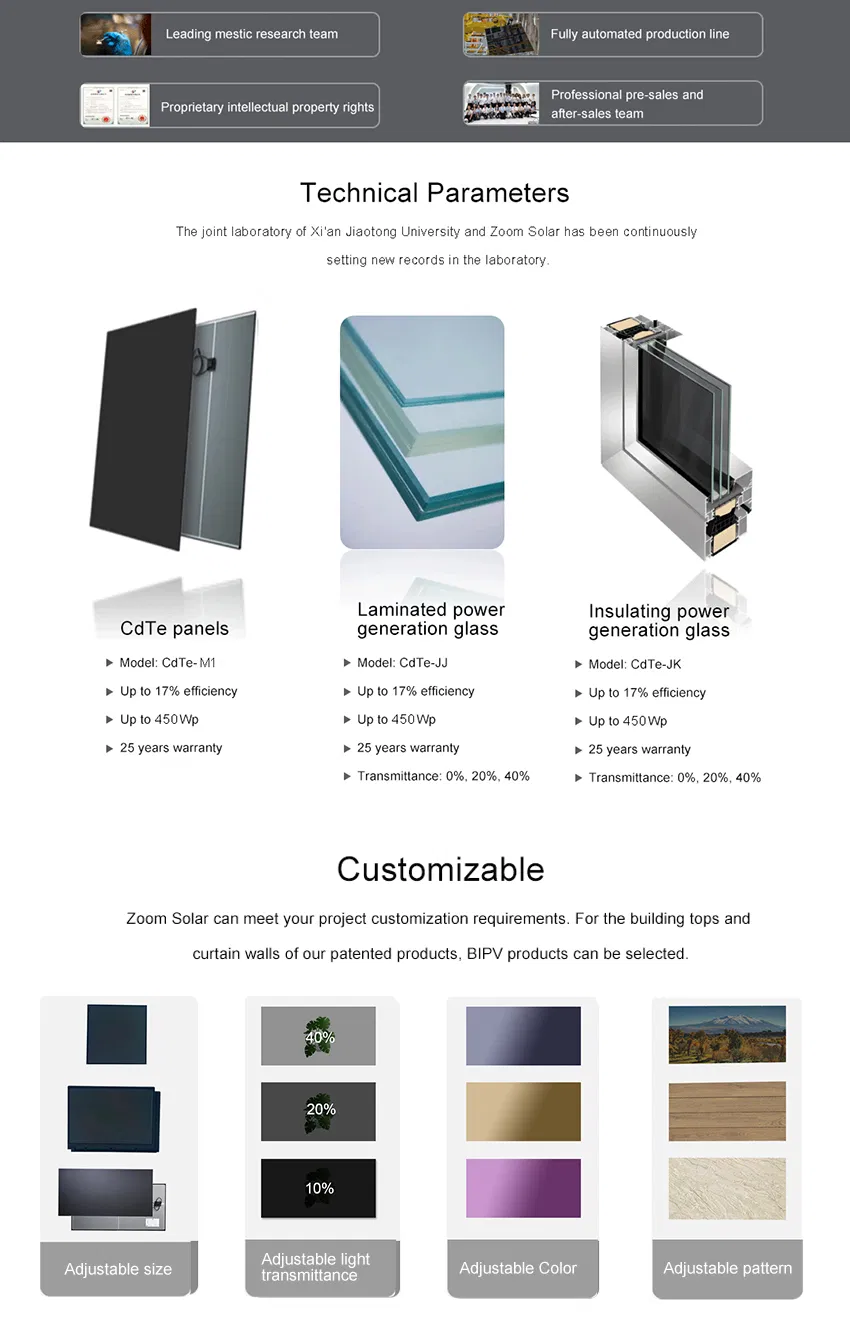
| Specifications |
Parameter Range |
Applicable Scenarios |
Thickness / Transmittance |
Power Output |
| Home |
1200×600mm / 1600×800mm / 1200×1600mm |
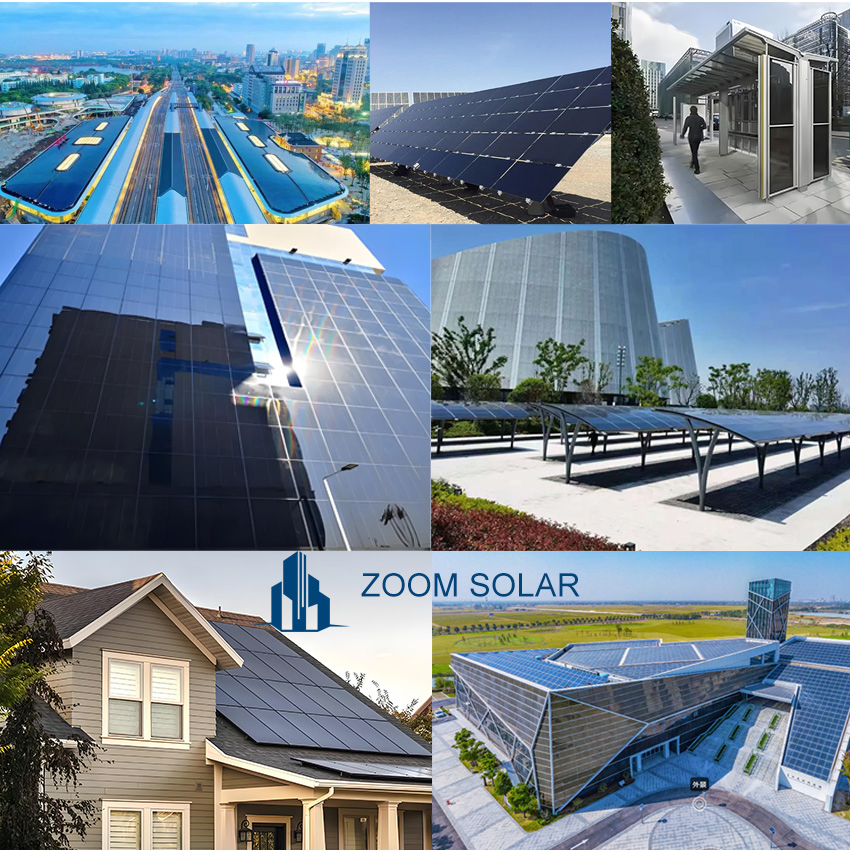
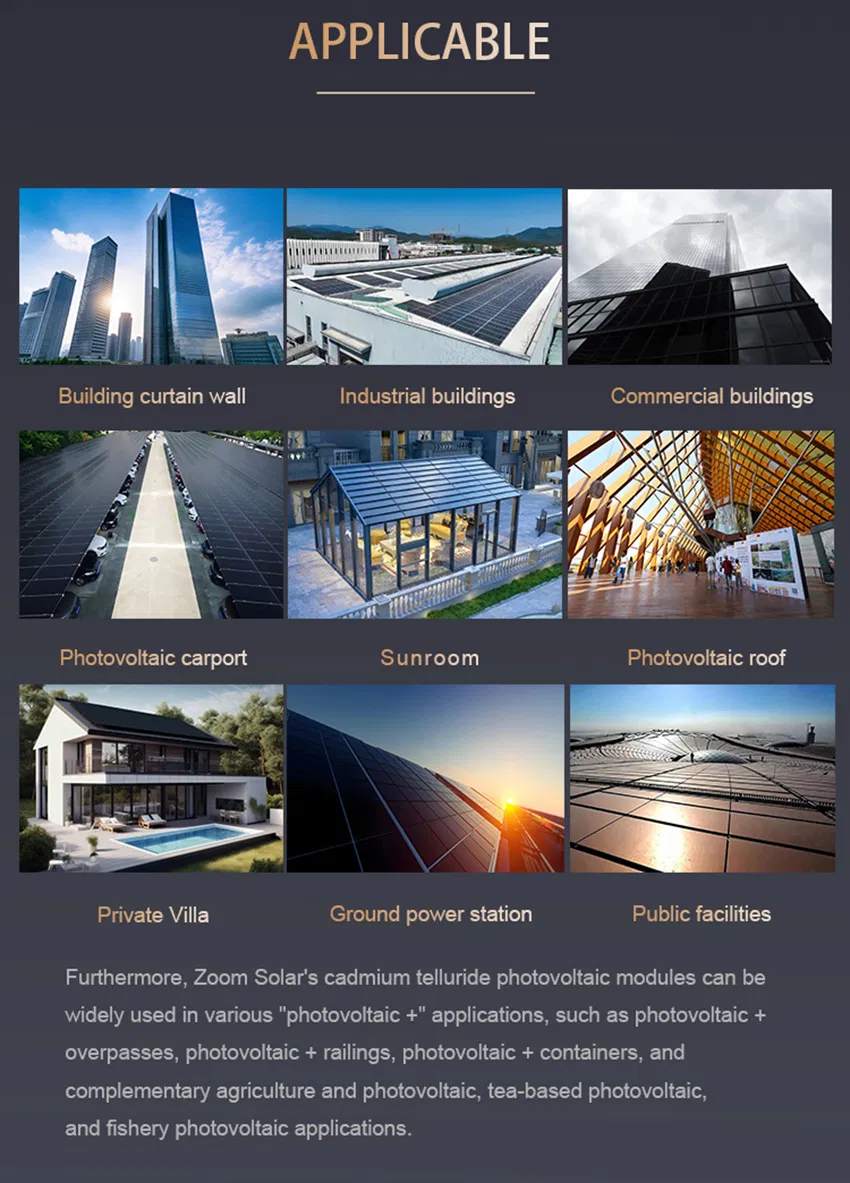
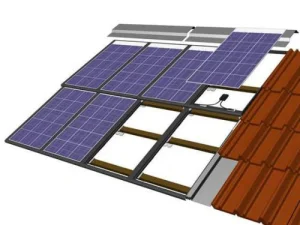
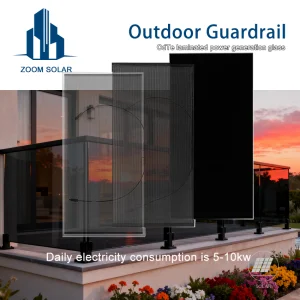
Home Roofs / Balcony Railings |
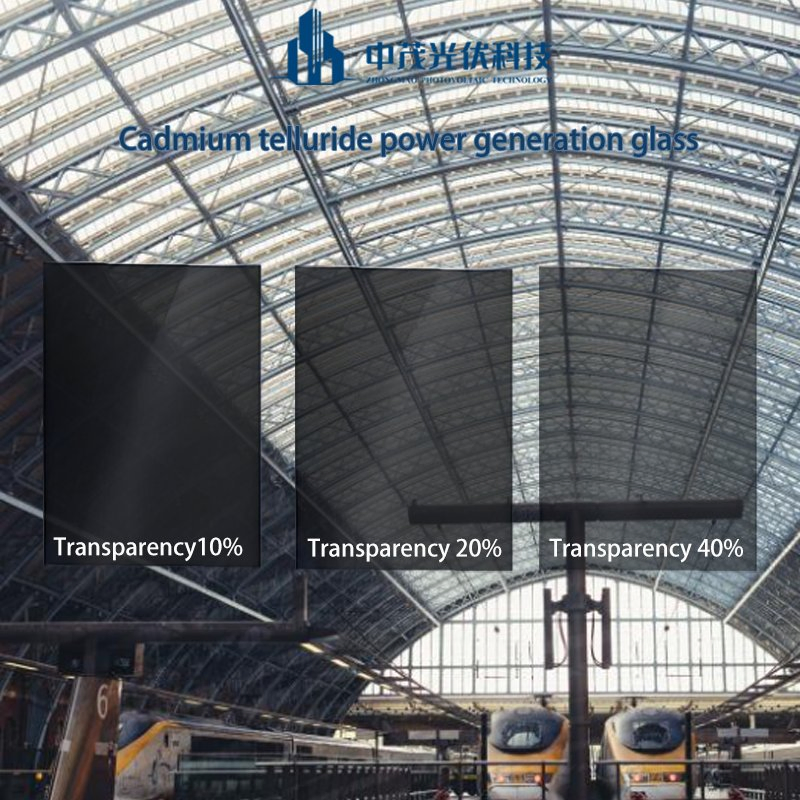
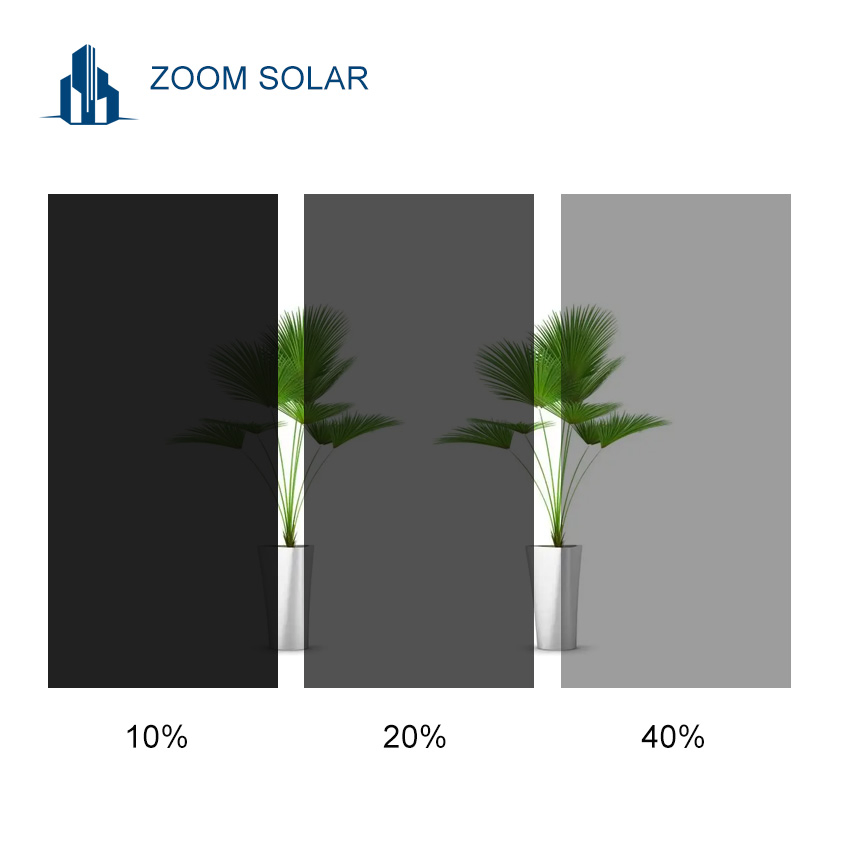
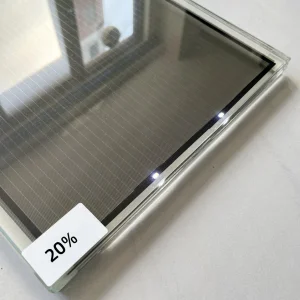
10-12mm / 10%-60% |
100W-300W/unit |
| Commercial |
2400×1200mm / 3000×1500mm / 2300×1215mm |
Factory Walls / Large-Scale Power Plants |
22mm / 10%-60% |
500W-1000W/unit |
| Custom |
Custom sizes from 1000-4000mm |
Special Building Curtain Walls |
6-20mm / 10%-60% |
Calculated by size |
Product Structure
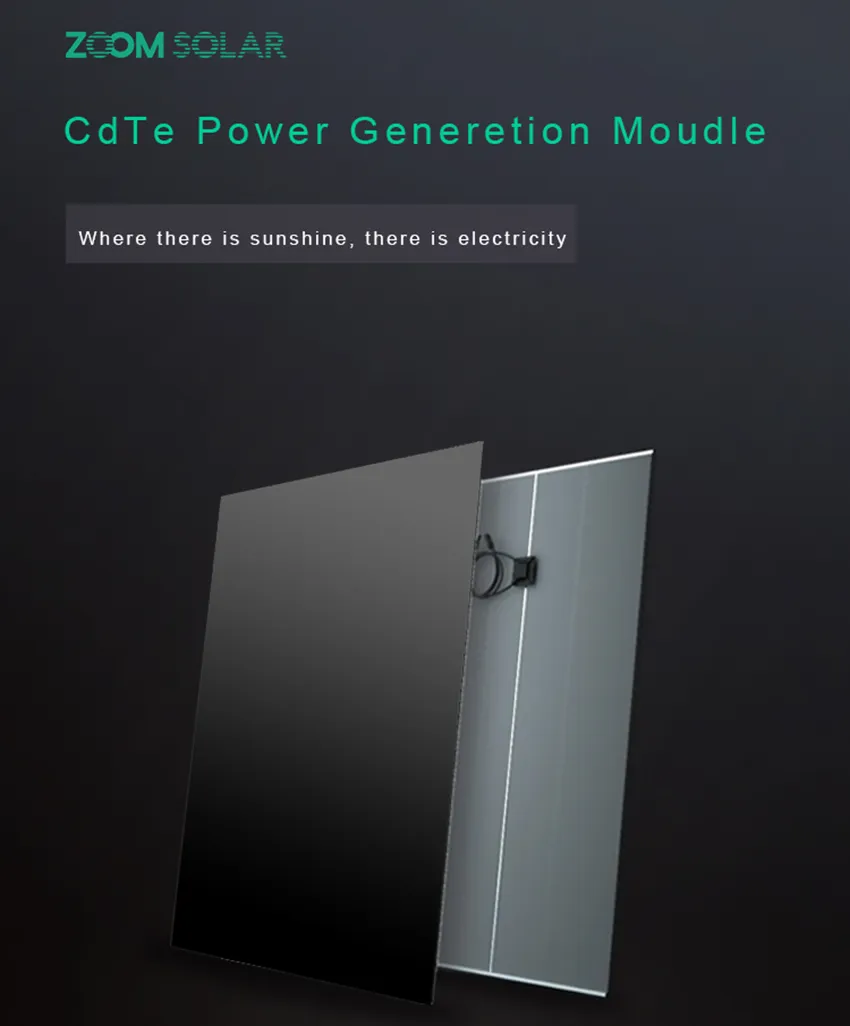
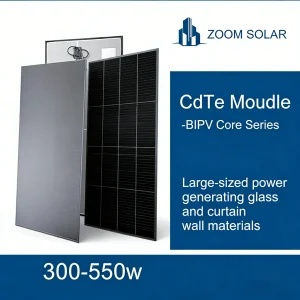
The structure of cadmium telluride thin-film solar cells consists of five essential layers: glass substrate, transparent conductive oxide layer (TCO layer), cadmium sulfide (CdS) window layer, cadmium telluride (CdTe) absorption layer, back contact layer, and back electrode.
Product Features
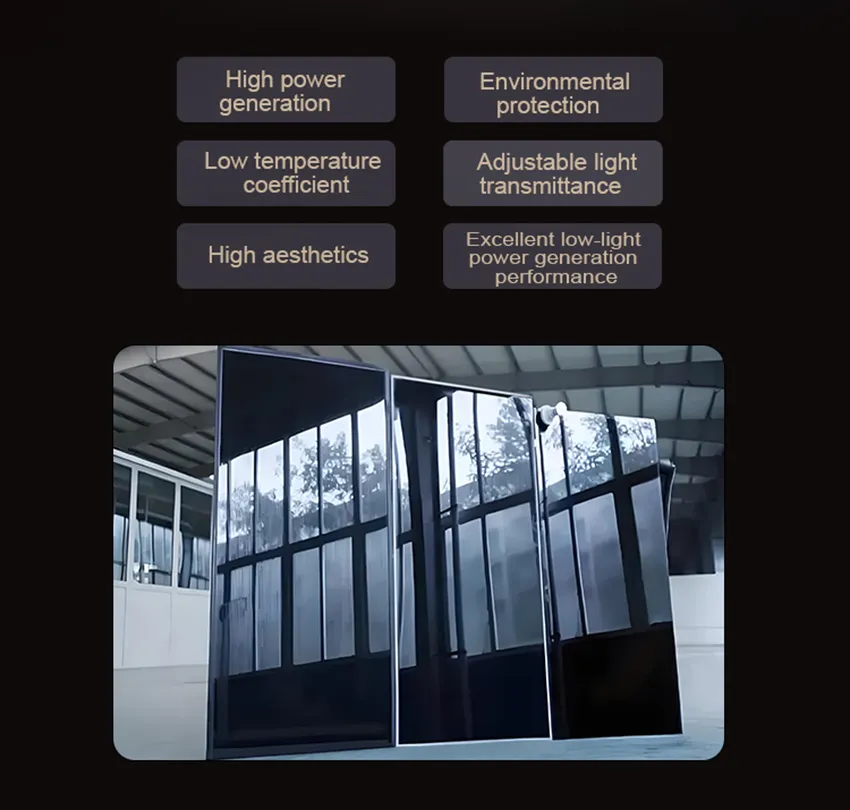
(1) Good weak light performance
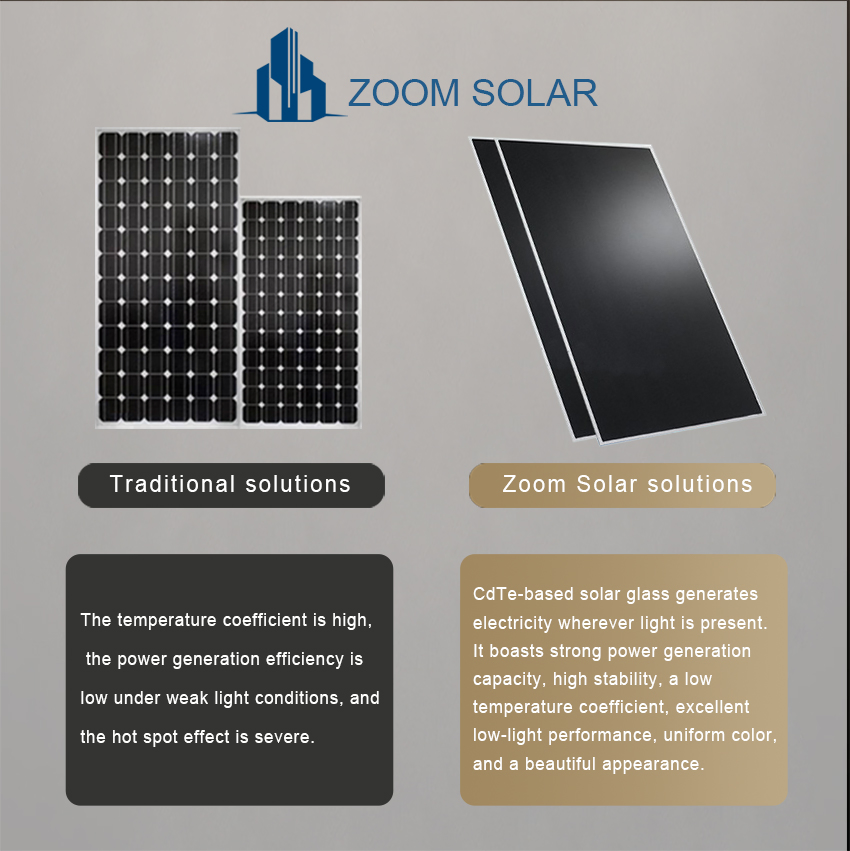
CdTe is a direct bandgap material with excellent absorption across the spectrum. Its performance in early morning, evening, or hazy conditions is significantly superior to crystalline silicon cells.
(2) Low temperature coefficient
The temperature coefficient is approximately -0.21~0.25%/ºC, half that of crystalline silicon. This ensures more power generation in high-temperature environments.
(3) High conversion efficiency
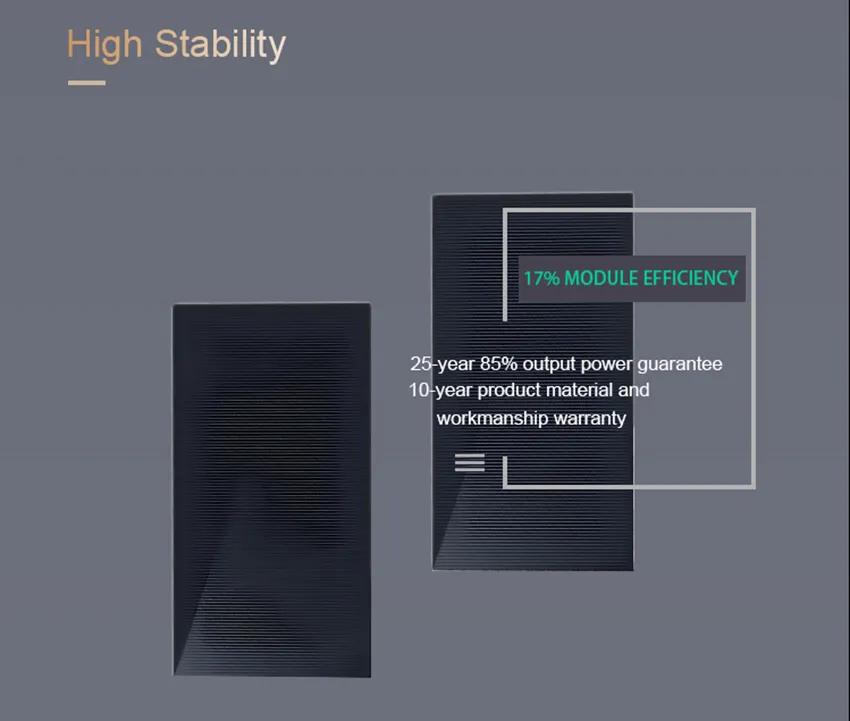
With a bandgap of 1.47eV, it absorbs over 90% of visible light with just 1μm thickness. The theoretical efficiency potential reaches 28-29%.
(4) Low cost & Stability
Minimal raw material usage and simple manufacturing processes make it highly competitive. It lacks the light-induced degradation characteristics common in silicon cells, ensuring long-term stability.
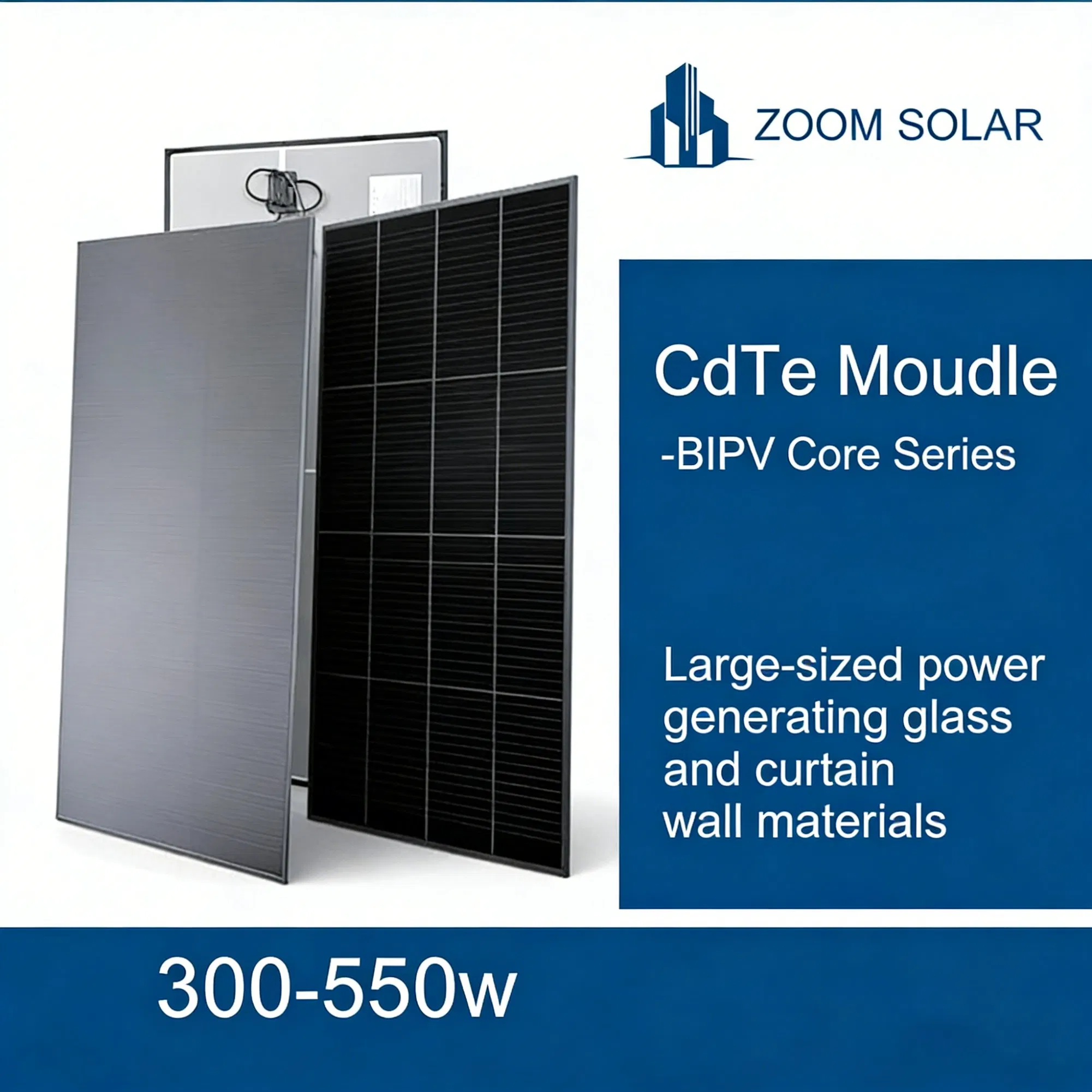
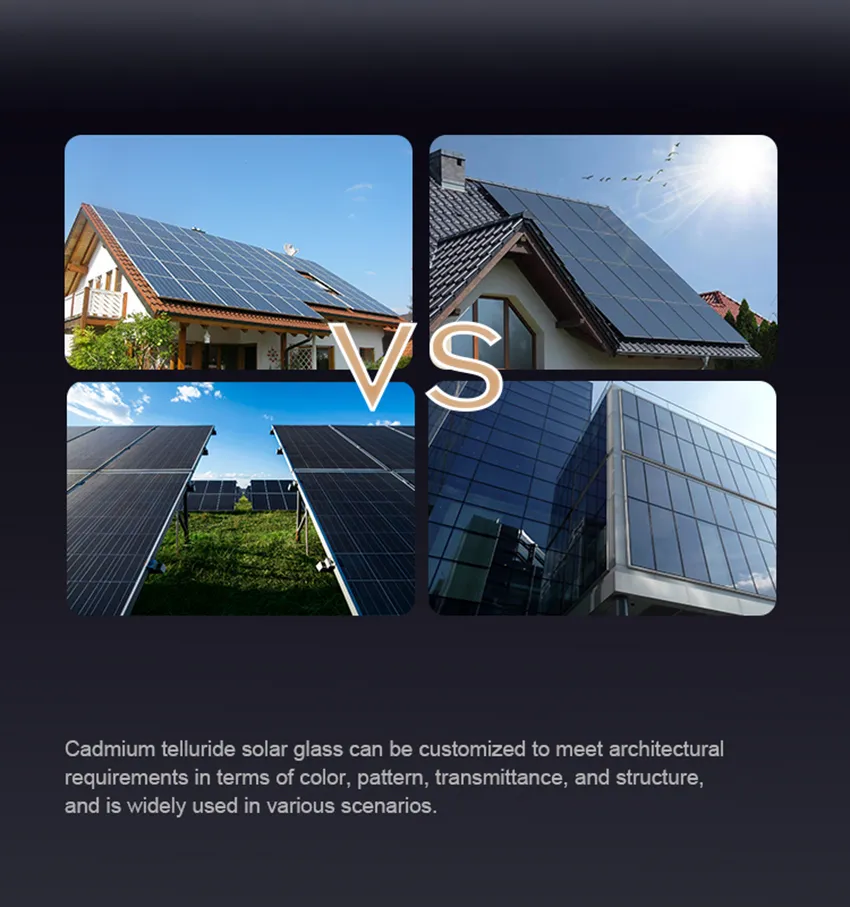
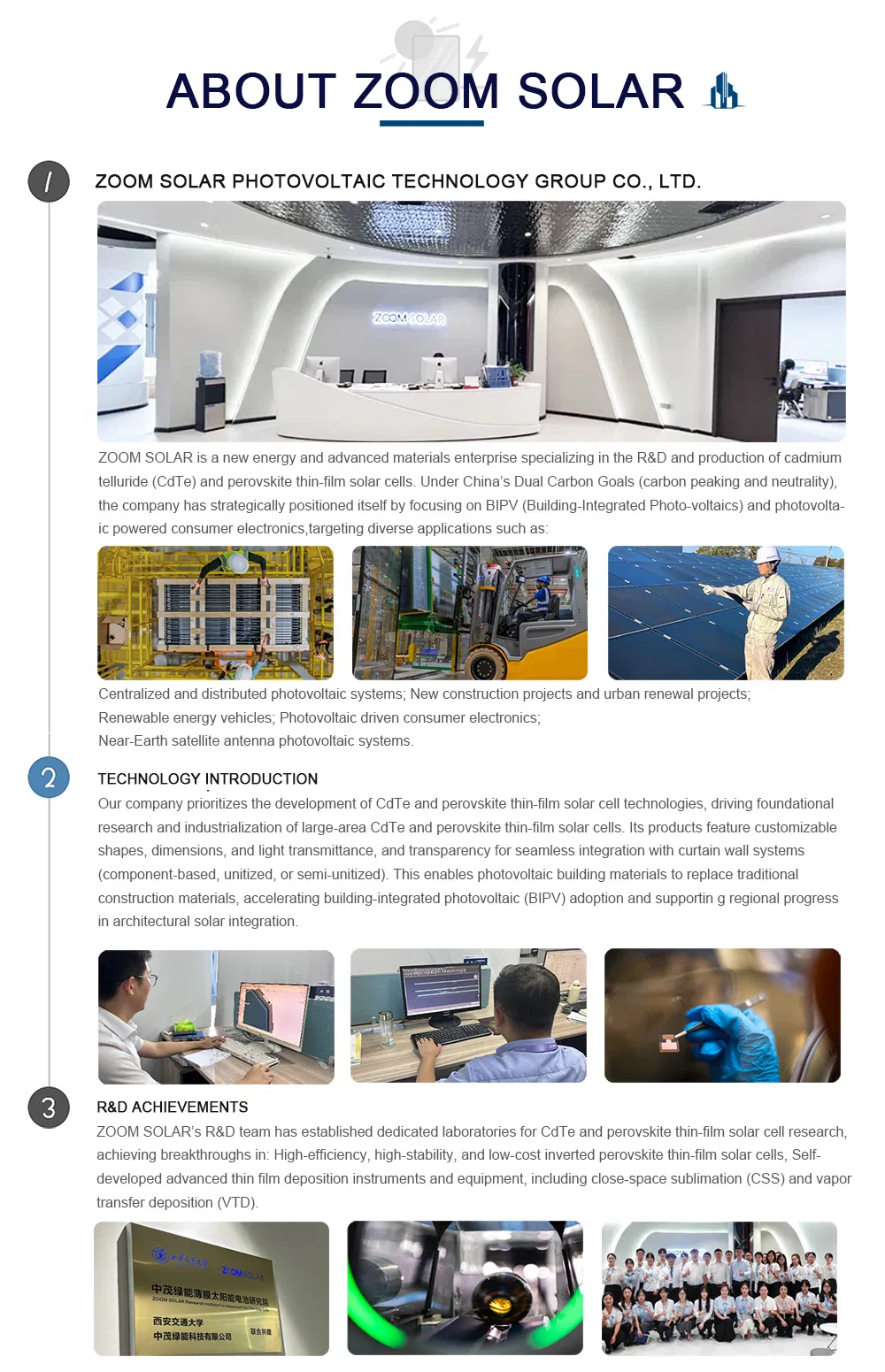
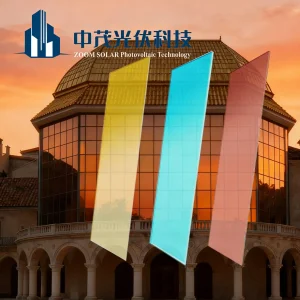
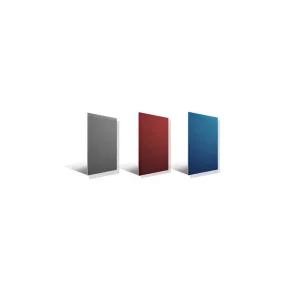
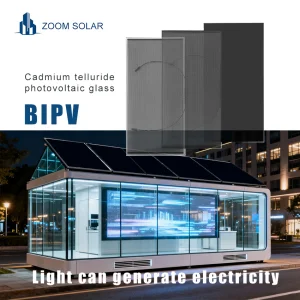
Specializing in the R&D and production of cadmium telluride (CdTe) and perovskite thin-film solar cells, our facility focuses on BIPV (Building-Integrated Photovoltaics) and photovoltaic-powered consumer electronics. Products feature customizable shapes, dimensions, and light transmittance for seamless integration with architectural systems.
Frequently Asked Questions
Are you a direct manufacturer of these solar modules?
Yes, we are a high-tech enterprise focused on the R&D and production of cadmium telluride solar cell modules and perovskite cells. We manage the entire process from research to large-scale industrialization.
Do you provide OEM/ODM services for custom projects?
Yes, we offer full OEM/ODM services based on specific customer needs. Our R&D team consists of over 20 highly skilled professionals capable of handling custom designs and technical requirements.
What certifications do your photovoltaic products hold?
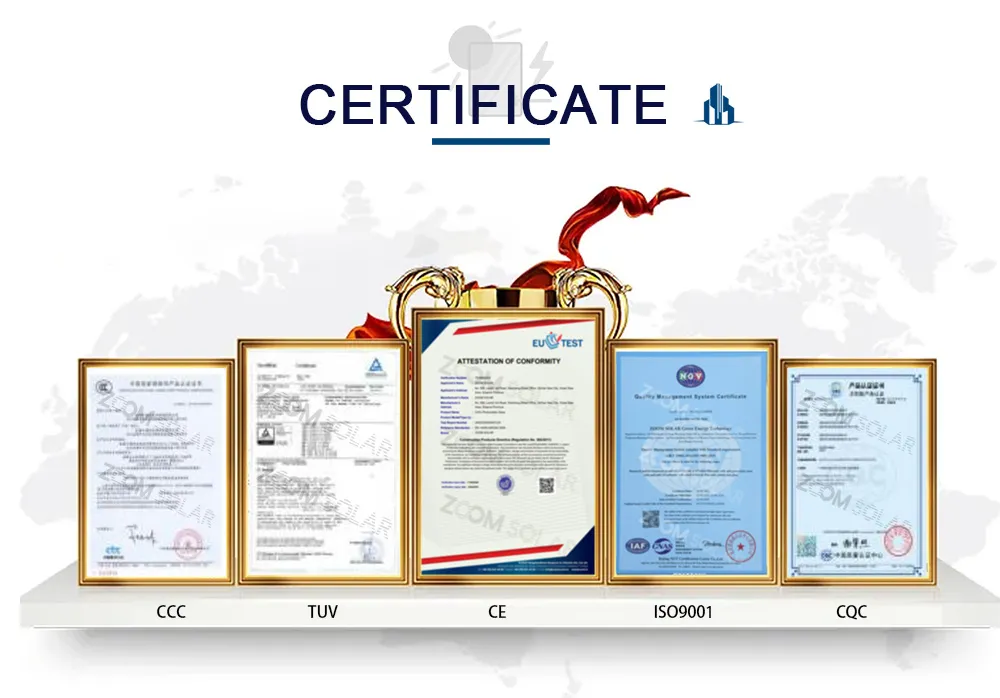
Our products hold CE, TUV, and CQC certifications. Furthermore, our facility is ISO9001:2015 certified, and every batch of products is provided with a test report and certificate of conformity.
What kind of technical support do you offer after purchase?
We provide a comprehensive support system including product customization drawings, installation and wiring diagrams, remote technical guidance, and on-site guidance by technicians if required.
Is there a Minimum Order Quantity (MOQ) for orders?
No, we do not have a strict MOQ. We aim to bring the benefits of green energy to every corner of the world and welcome projects of all sizes to promote sustainable development.
What are the main advantages of CdTe thin-film glass?
Key advantages include superior performance in weak light conditions, a low temperature coefficient for better high-temp efficiency, high stability without light-induced degradation, and the ability to customize transparency for BIPV applications.
 Sypower Solar