High-performance structural photovoltaic glass products optimized for Switzerland's demanding microclimate, solar radiation levels, and architectural preservation policies.
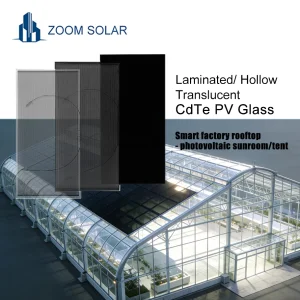
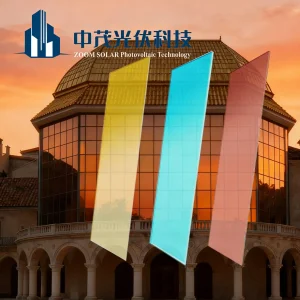
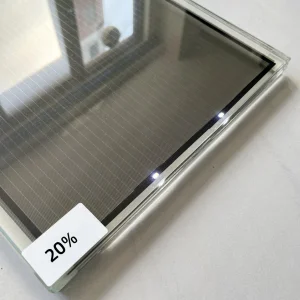
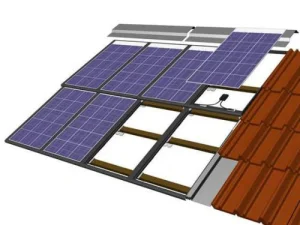
The Canton of Geneva stands at the vanguard of the European energy transition, mandated by the ambitious Swiss Energy Strategy 2050 and the local Plan Directeur de l'Énergie. With commercial and public buildings contributing over 40% of regional emissions, traditional rooftop photovoltaic installations are no longer sufficient to meet net-zero carbon directives. The city's dense urban envelope, characterized by historic stone structures, sleek lakeside commercial offices, and strict municipal heritage laws (such as protections governing the Old Town and lakeside panoramas), demands non-intrusive, aesthetically integrated solar harvesting solutions.
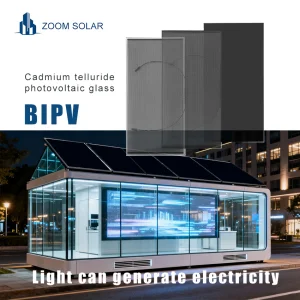
Building-Integrated Photovoltaics (BIPV) represent the definitive technical bridge between historic preservation and sustainable modern engineering. By substituting standard facade elements, skylights, curtain walls, and roof shingles with customized, energy-generating solar glass, architects in Geneva can successfully achieve Minergie-A-ECO building certifications without compromising structural aesthetics. The regional market has shifted rapidly from BAPV (Building-Applied PV) towards structural BIPV glass, prompting a high demand for reliable, premium-grade suppliers offering customizable light transmittance, colors, and dimensions.
An analytical breakdown of technological trends, supply-chain positioning, and Geneva's specific geographical requirements.
Globally, the Building-Integrated Photovoltaics market is transitioning from niche bespoke installations to highly standardized industrial architectural materials. According to global energy research databases, the structural solar glass sector is growing at a CAGR of 18.2%, catalyzed by regulatory updates such as the European Union’s Energy Performance of Buildings Directive (EPBD). In the Swiss market, the deployment of BIPV solar glass faces unique geographical challenges: severe winter snowfall in the surrounding Alps, lakeside humidity, and substantial occurrences of diffuse, indirect sunlight caused by low-hanging cloud decks over Lake Geneva (Lac Léman).
Furthermore, structural solar glass must operate as an elite building envelope material. In Switzerland, this requires compliance with the SIA 261 standard (Action on Structures), ensuring the PV glass withstands local snow loads (exceeding 1.5 kN/m² in elevated suburbs) and heavy alpine wind loads. Therefore, BIPV must offer mechanical reliability matching standard architectural laminated glass while delivering top-tier electrical outputs.
| Technology Type | Efficiency Range (STC) | Low-Light Temperature Coeff. | Esthetic Quality & Customization | Ideal Geneva Application |
|---|---|---|---|---|
| CdTe (Cadmium Telluride) | 12% - 16% | -0.25% / °C (Excellent) | High; customizable transparency & colors | Spandrels, curtain walls, glazed facades |
| CIGS Thin-Film | 14% - 17% | -0.32% / °C (Good) | Moderate; flexible substrate options | Curved roof tiles, lightweight structures |
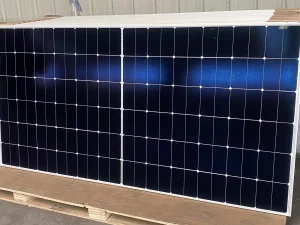
| Bifacial PERC Mono-Si | 19% - 22% | -0.38% / °C (Standard) | Visible grid lines; limited coloring | Large industrial rooftops, carports |
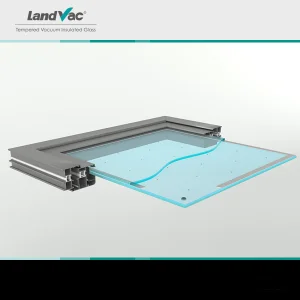
| Vacuum Insulated BIPV | System Dependent | Negligible thermal transfer | Ultra-clear, high insulation glass backing | Passive solar office facades, green complexes |
One of the primary historical barriers to extensive solar deployment on Swiss commercial properties has been the aesthetic resistance from building planners. Standard dark blue or black silicon modules contrast harshly with the local limestone cladding and historic tile architecture. Modern BIPV manufacturing technology bypasses this restriction through precise optical coatings and glass pigmentation treatments.
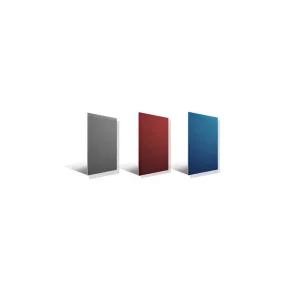
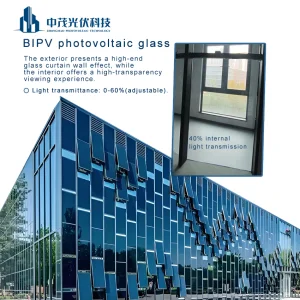
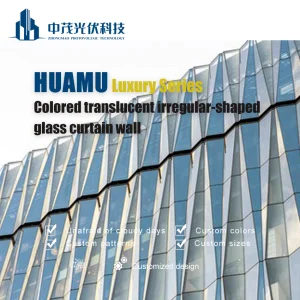
By adjusting the density and thickness of the sputtered thin-film layers or utilizing specialized micro-prismatic glass covers, suppliers can offer colors ranging from bronze, terracotta, and dark green to fully transparent solar windows. Translucent CdTe double-glazed panels allow for controlled light transmission (varying from 10% to 50% transparency), functioning simultaneously as shade elements to reduce internal cooling loads during the summer, while providing active clean power for the building’s heat pumps and ventilation systems.
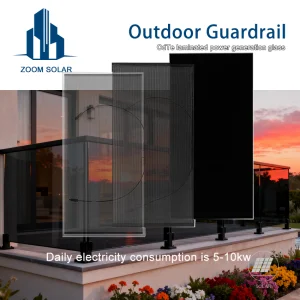
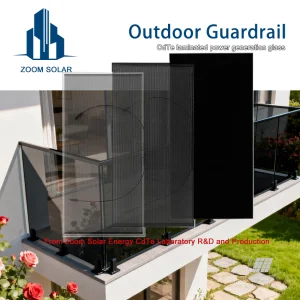
Additionally, structural integration demands diverse geometric profiles. Sypower’s production capabilities include irregular-shaped panels, customized curved modules, and specific edge treatments designed to slot seamlessly into Swiss curtain wall profiles. This flexibility allows designers in Geneva to incorporate power generation directly into balconies, skylights, and protective balustrades.
A global leader in renewable energy systems, specialized in Building-Integrated Photovoltaics (BIPV).
Shanxi Sypower Solar Co., Ltd. is dedicated to addressing the global challenge of climate change. The company specializes in the research and development, manufacturing, and sales of renewable energy products and system integration. We also focus on the development, investment, mergers and acquisitions, construction, and operation of photovoltaic power stations, both with and without energy storage systems.
Our product range primarily includes Building-Integrated Photovoltaics (BIPV), solar carports, residential energy storage systems, and related auxiliary components. We have established a comprehensive professional service system that includes pre-sales, sales, and after-sales support. Additionally, we have created distribution channels in various countries and regions, allowing us to cater to a wide range of customers globally. Our team is capable of developing customized products for diverse application scenarios.
Shanxi Sypower Solar Co., Ltd. is committed to becoming a global leader in providing equipment, system integration, and professional services for renewable energy applications. Our mission aligns with the global carbon neutrality goal, and we strive to play a key role in this global movement.
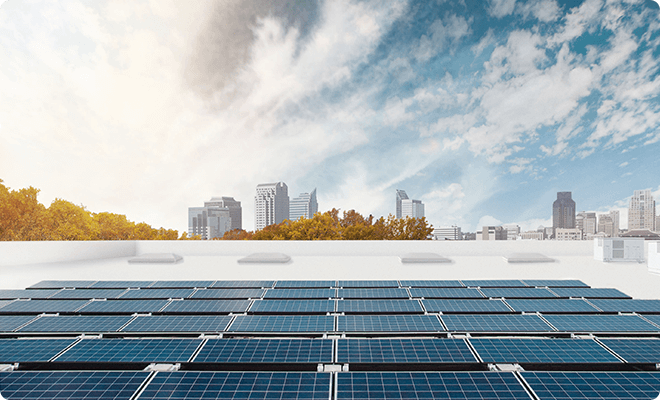
At Shanxi Sypower Solar, our vision is to create a world powered by sustainable, clean energy systems. We are dedicated to leading innovation in the renewable energy sector and contributing to a greener, more environmentally friendly planet. By harnessing natural resources like solar and wind power, we aim to develop cutting-edge technologies that meet the growing global demand for clean energy.
Our commitment extends beyond providing renewable energy solutions. We actively promote the widespread adoption of these technologies by collaborating with governments, businesses, and communities worldwide. Through partnerships and outreach initiatives, we aim to raise awareness about the benefits of transitioning to sustainable energy. We also prioritize social responsibility alongside environmental sustainability.
As a multinational renewable energy company, Shanxi Sypower Solar Co., Ltd. acknowledges its significant impact on society and the environment. We are committed to being a positive force in both areas.
First and foremost, we focus on promoting sustainable development through the production and use of clean energy. By adopting solar energy solutions, we reduce carbon emissions and help slow climate change. Our photovoltaic products provide renewable energy for residential, commercial, and industrial sectors, thereby decreasing reliance on fossil fuels.
In addition to our environmental efforts, corporate philanthropy is a cornerstone of our social responsibility initiatives. We are actively engaged in charitable activities aimed at improving the living conditions of vulnerable communities and providing support to areas affected by natural disasters. Whether through financial assistance or volunteer resources, we strive to make a tangible, positive difference in the lives of those in need.
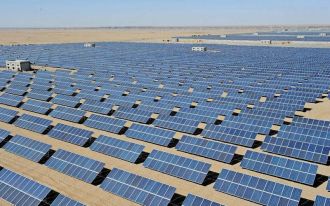
Discover our wider range of high-efficiency, certified solar glass, roof tiles, and thermal vacuum insulated systems available for shipping and custom architectural tailoring in Geneva.
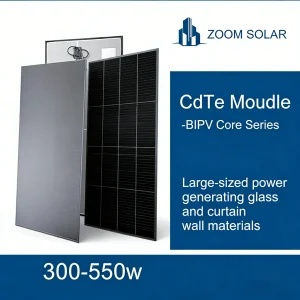
Engineering considerations for BIPV installation in Switzerland, detailed by Sypower's technical team.
Integrating BIPV solar glass into Swiss power systems requires careful planning, specifically matching the local grid conditions managed by operators such as Services Industriels de Genève (SIG). Electrical safety and conversion stability are critical parameters when translating DC power generated on the facade into stable AC power for building services.
Because facades are susceptible to partial shading from urban vegetation and neighboring buildings, string configurations must be planned dynamically. We recommend utilizing smart micro-inverters or DC power optimizers on every module or pair of modules. This prevents the "christmas tree light" effect, where shading on a single area of the glass curtain wall drops the voltage of the entire string. In addition, CdTe thin-film systems operate at high open-circuit voltages (Voc), which demands certified cable management and specialized rapid-shutdown devices (RSD) to comply with Swiss fire safety regulation VKF (Association of Swiss Cantonal Fire Insurances) guidelines.
Our BIPV products feature high structural resilience, utilizing double-toughened tempered safety glass (ESG) or laminated safety glass (VSG). The lamination interlayer, typically PVB (Polyvinyl Butyral) or POE (Polyolefin Elastomer), provides durability against mechanical impacts, moisture ingress, and delamination. Under SIA building envelope standards, particularly when installed on overhead glazing or curtain walls at high altitudes, the glass must retain structural integrity even after cracking, ensuring no glass falls onto public walkways.
Expert technical answers regarding structural design, certifications, and building performance metrics for the Swiss market.
Contact our expert engineering team to receive customized CAD layout assistance, wind/snow load calculations, thermal performance simulations, and competitive pricing for your structural solar facade.
Send Inquiry Now Sypower Solar