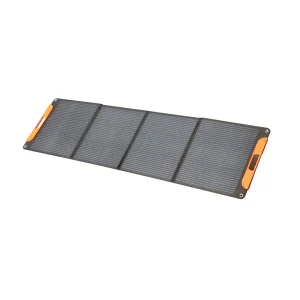
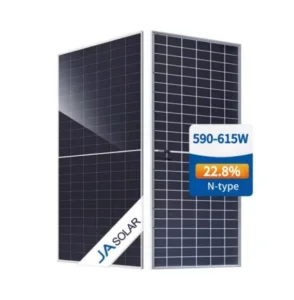
Engineered for robust performance under demanding industrial and residential applications.
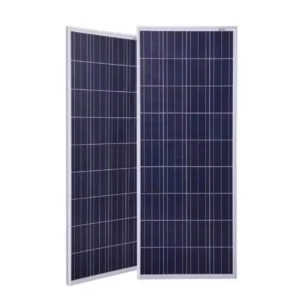
As global power demands spike alongside aggressive net-zero emissions timelines, energy conversion systems must evolve. Modern infrastructure demands a leap beyond passive solar collectors toward highly integrated, active conversion topologies.
This whitepaper systematically examines the manufacturing landscape of the top exporters shaping these conversion pathways. Modern energy conversion technologies encompass not just traditional silicon-based photovoltaics, but advanced thermodynamic cycles, thin-film heterojunction structures (including CIGS and CdTe systems), high-energy-density storage modules, and smart Building-Integrated Photovoltaics (BIPV).
For industrial buyers, EPC contractors, and state-backed utility agencies, selecting a manufacturer is no longer simply about cost per watt. Modern evaluation relies on deep system integration, thermal coefficient resilience, LCOE (Levelized Cost of Electricity) reduction, and cross-border regulatory certifications.

The technological markers defining next-generation utility and off-grid performance.
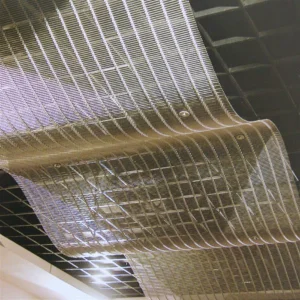
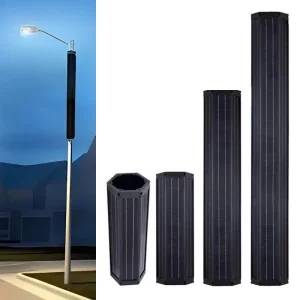
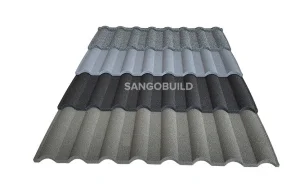
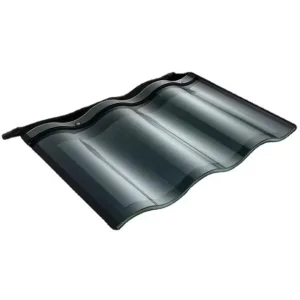
No longer just added to rooftops, BIPV integrates photo-active components directly into glass façades, stone-coated tiles, and structural glazing, turning buildings into self-sustaining power plants without compromising architectural form.
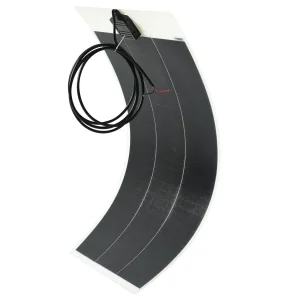
By leveraging CIGS (Copper Indium Gallium Selenide) and CdTe (Cadmium Telluride) formulations, manufacturers are fabricating flexible, ultra-lightweight power generation layers suitable for curved, weight-sensitive surfaces.
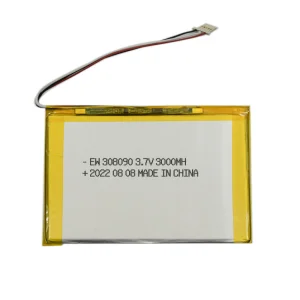
Active cell balancing and integrated pouch cell configurations ensure optimal discharge curves, thermoregulation, and longevity in energy storage applications, from smart micro-grids to modular field devices.
A comparative criteria framework utilized by Tier-1 EPC contractors for manufacturing selection.
| Technology Category | Key Metrics Checked | Primary Regulatory Compliance | Optimal Application Scenarios |
|---|---|---|---|
| CIGS / CdTe Double Glass PV | Aperture Efficiency (15-18%), Temp Coefficient (-0.25%/°C) | IEC 61215, UL 1703, CE | Commercial facades, architectural integration, low-light regions |
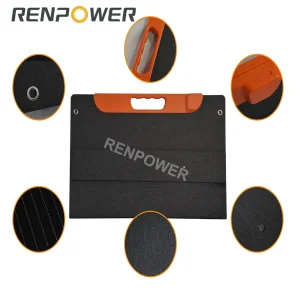
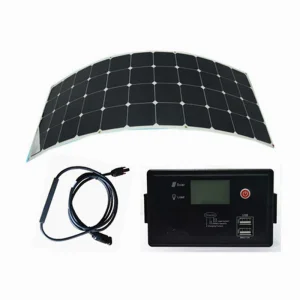
| Flexible Monocrystalline Modules | Power Density, Bend Radius (up to 30°), Weight per m² (<3kg) | RoHS, CE, ISO 9001 | RV, marine vessels, lightweight industrial roofs |
| BIPV Solar Tiles & Shingles | Impact Resistance (Class 4 Hail), Fire Rating (Class A) | ASTM E108, UL 790 | Residential smart roofs, heritage property conversions |
| Lithium Pouch Cell Storage | Cycle Life (>4000 cycles at 80% DoD), Thermal runaway limit | UN38.3, UL 1973, IEC 62619 | Off-grid micro-monitoring, telecom backup, smart home ESS |
A pioneering force in building-integrated photovoltaics, solar structures, and integrated storage system design.
Shanxi Sypower Solar Co., Ltd. is dedicated to addressing the global challenge of climate change. The company specializes in the research and development, manufacturing, and sales of renewable energy products and system integration. We also focus on the development, investment, mergers and acquisitions, construction, and operation of photovoltaic power stations, both with and without energy storage systems.
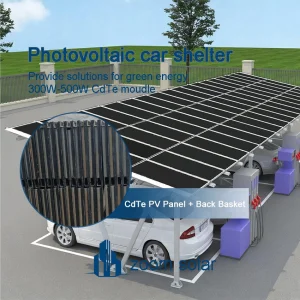
Our product range primarily includes Building-Integrated Photovoltaics (BIPV), solar carports, residential energy storage systems, and related auxiliary components. We have established a comprehensive professional service system that includes pre-sales, sales, and after-sales support. Additionally, we have created distribution channels in various countries and regions, allowing us to cater to a wide range of customers globally. Our team is capable of developing customized products for diverse application scenarios.
Shanxi Sypower Solar Co., Ltd. is committed to becoming a global leader in providing equipment, system integration, and professional services for renewable energy applications. Our mission aligns with the global carbon neutrality goal, and we strive to play a key role in this global movement.
At Shanxi Sypower Solar, our vision is to create a world powered by sustainable, clean energy systems. We are dedicated to leading innovation in the renewable energy sector and contributing to a greener, more environmentally friendly planet. By harnessing natural resources like solar and wind power, we aim to develop cutting-edge technologies that meet the growing global demand for clean energy.
Our commitment extends beyond providing renewable energy solutions. We actively promote the widespread adoption of these technologies by collaborating with governments, businesses, and communities worldwide. Through partnerships and outreach initiatives, we aim to raise awareness about the benefits of transitioning to sustainable energy. We also prioritize social responsibility alongside environmental sustainability.
As a multinational renewable energy company, Shanxi Sypower Solar Co., Ltd. acknowledges its significant impact on society and the environment. We are committed to being a positive force in both areas. First and foremost, we focus on promoting sustainable development through the production and use of clean energy. By adopting solar energy solutions, we reduce carbon emissions and help slow climate change. Our photovoltaic products provide renewable energy for residential, commercial, and industrial sectors, thereby decreasing reliance on fossil fuels.
In addition to our environmental efforts, corporate philanthropy is a cornerstone of our social responsibility initiatives. We are actively engaged in charitable activities aimed at improving the living conditions of vulnerable communities and providing support to areas affected by natural disasters. Whether through financial assistance or volunteer resources, we strive to make a tangible, positive difference in the lives of those in need. We are equally dedicated to contributing to local communities through educational projects, ethical business practices, and corporate philanthropy—without any political affiliation. Our goal is to make the world a better place by promoting sustainability and enhancing social well-being.
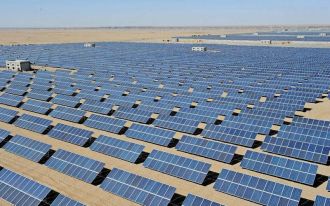
Charting the migration path toward multi-junction cells, dynamic glass integration, and AI-enabled grid interaction.
Stabilization of thin-film conversion efficiencies above 19% in mass production. Complete deployment of dual-pane glass construction for BIPV to withstand severe mechanical loads.
Commercialization of hybrid structures pushing theoretical efficiency barriers past 30%. Deep implementation of thermal management coatings to lower operating cell temperatures.
Establishment of autonomous microgrids where integrated carports, building facades, and decentralized batteries dynamically balance grid frequency and distribute surplus local energy assets.
Providing clear answers to common questions asked by engineers, procurement officers, and project developers.
Explore our full line of flexible, rigid, and integrated energy solutions engineered for global export.
 Sypower Solar