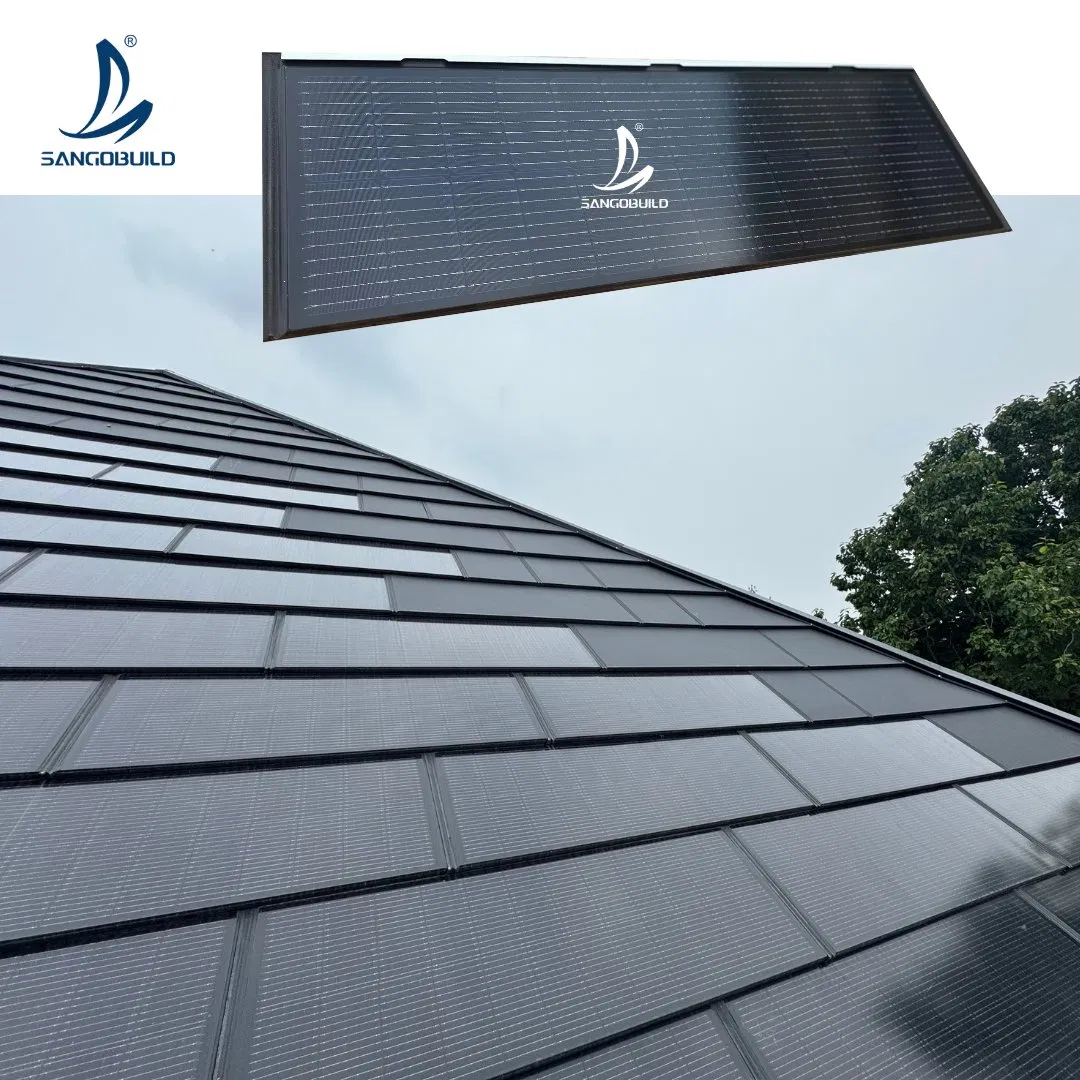
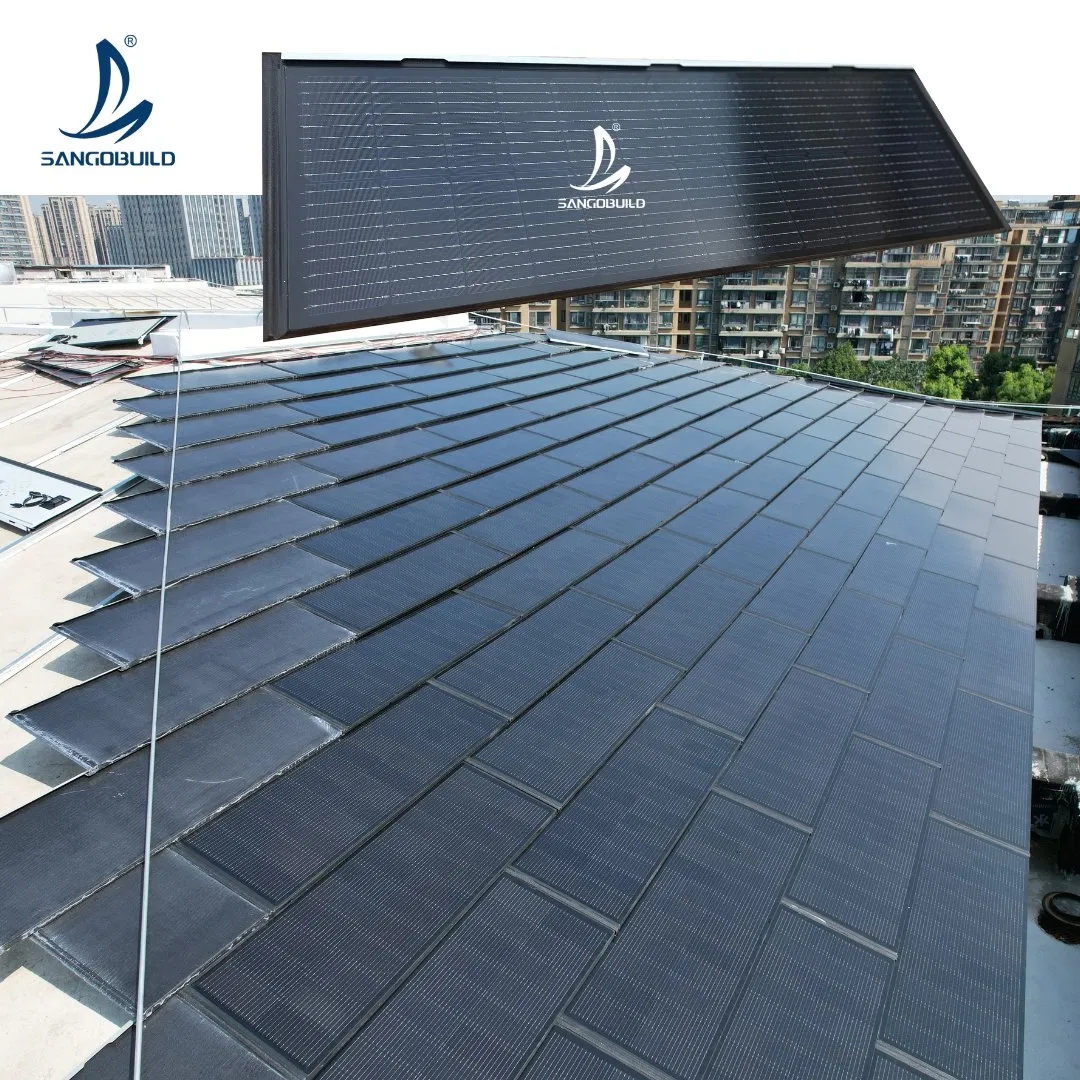
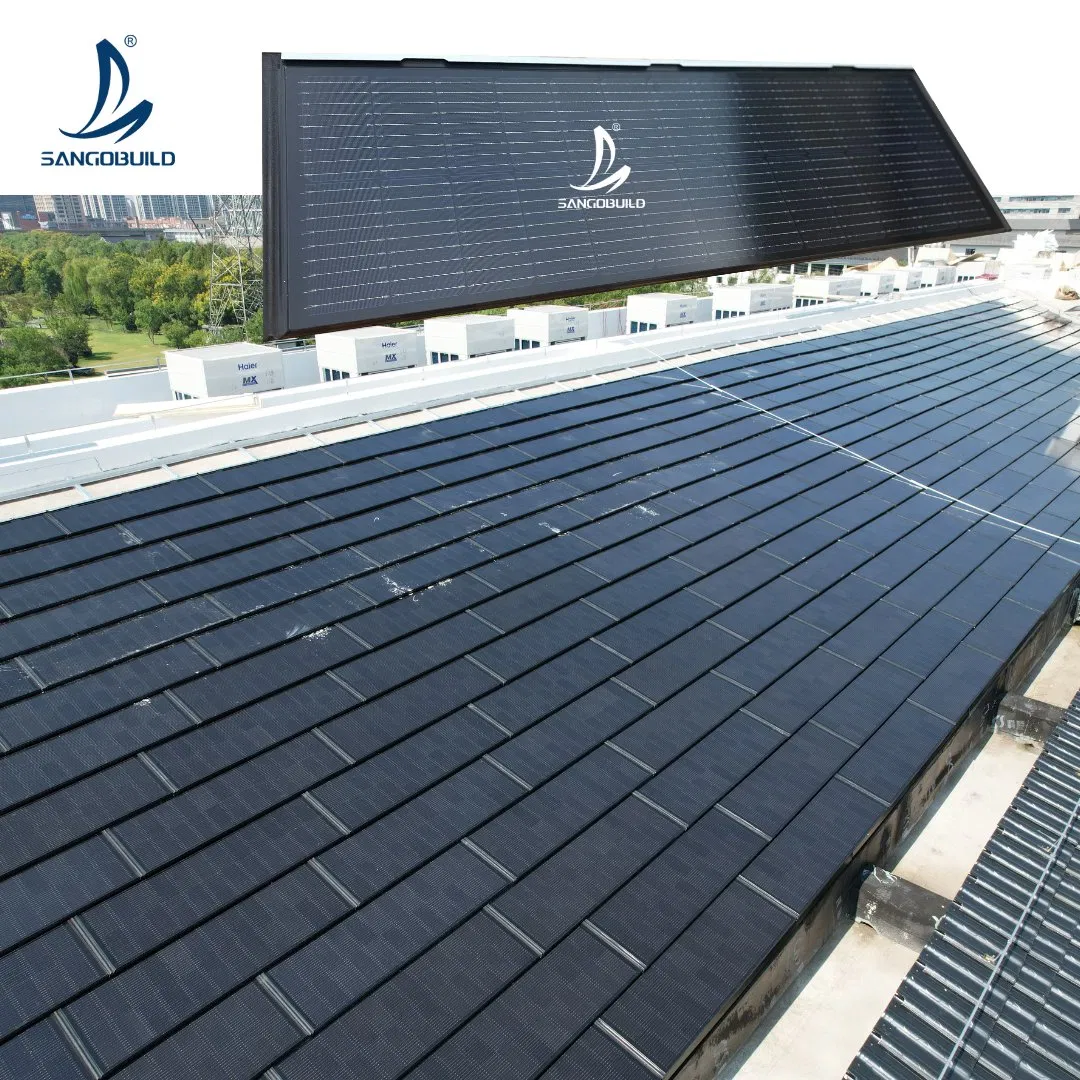
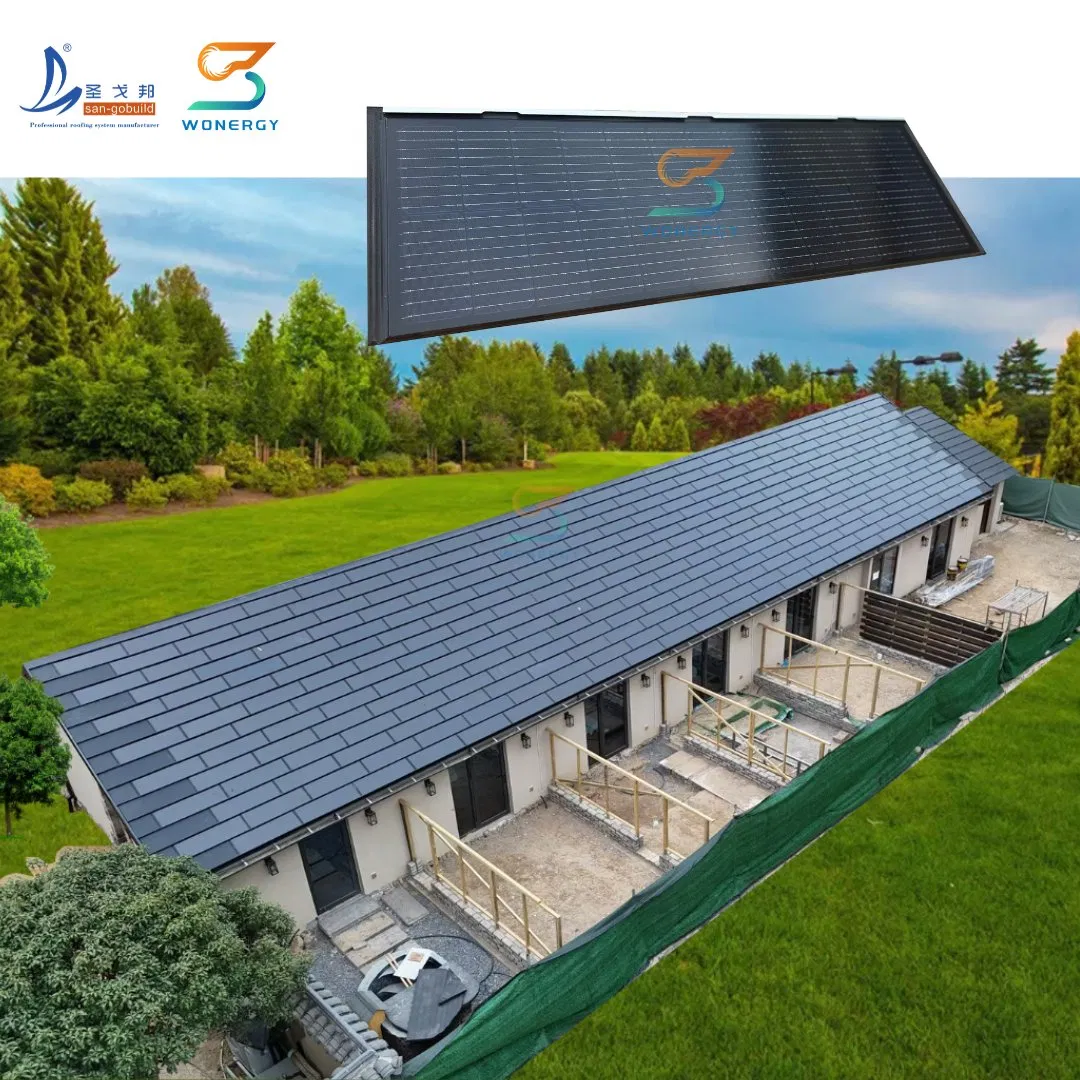
What Is a Solar Roof?
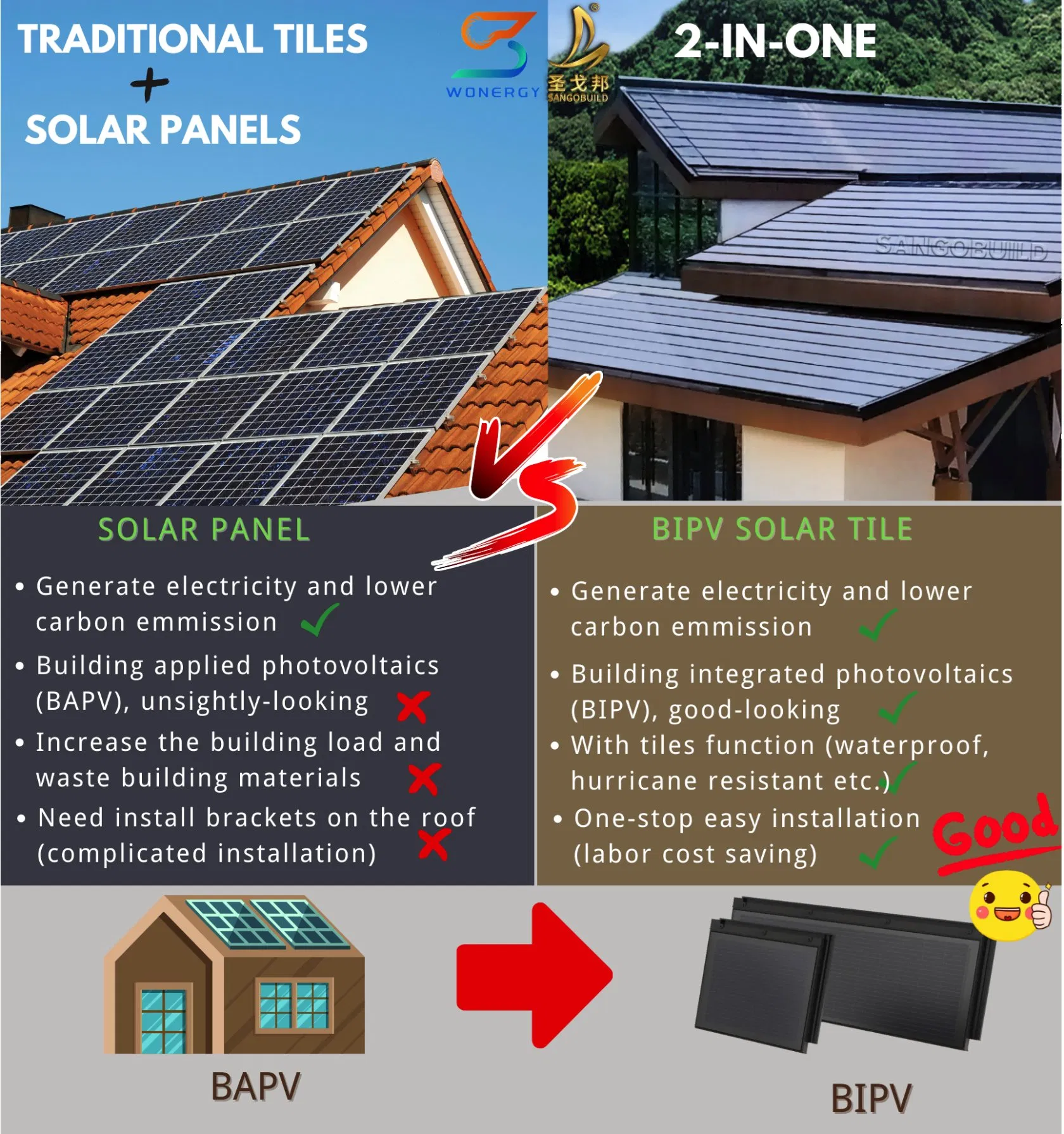
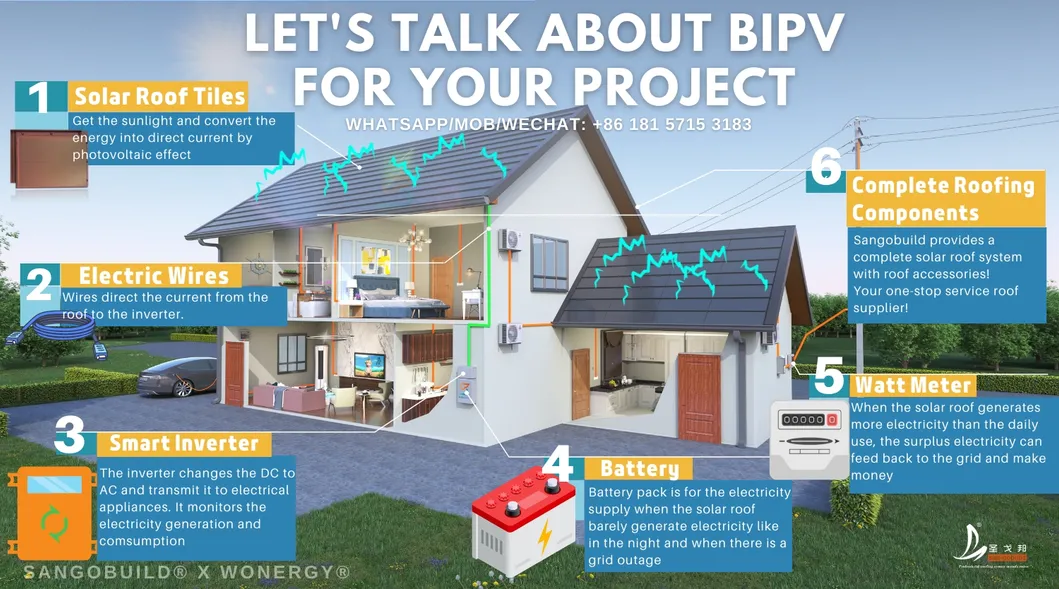
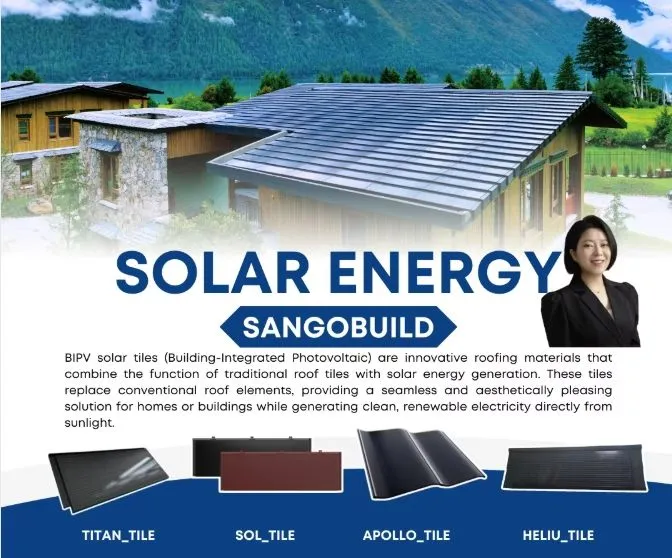
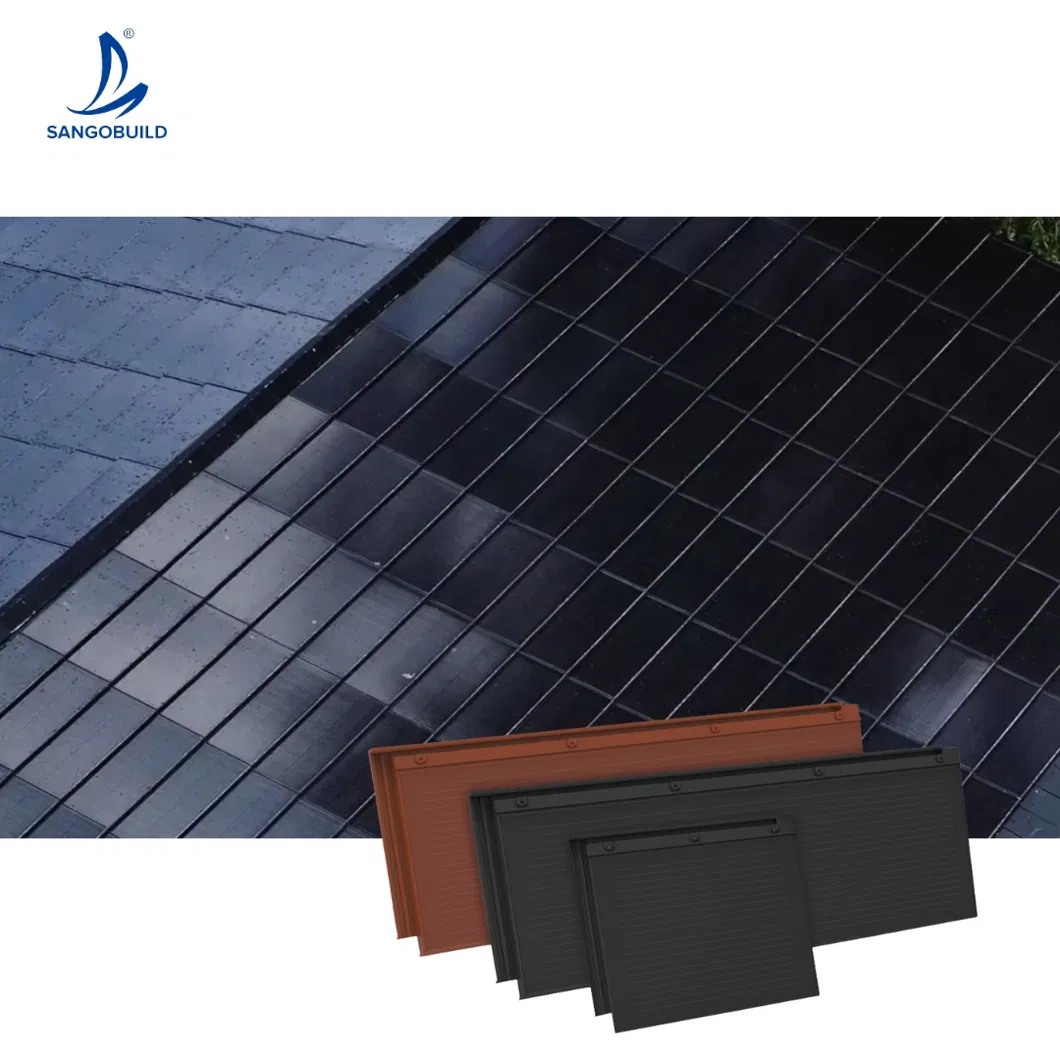
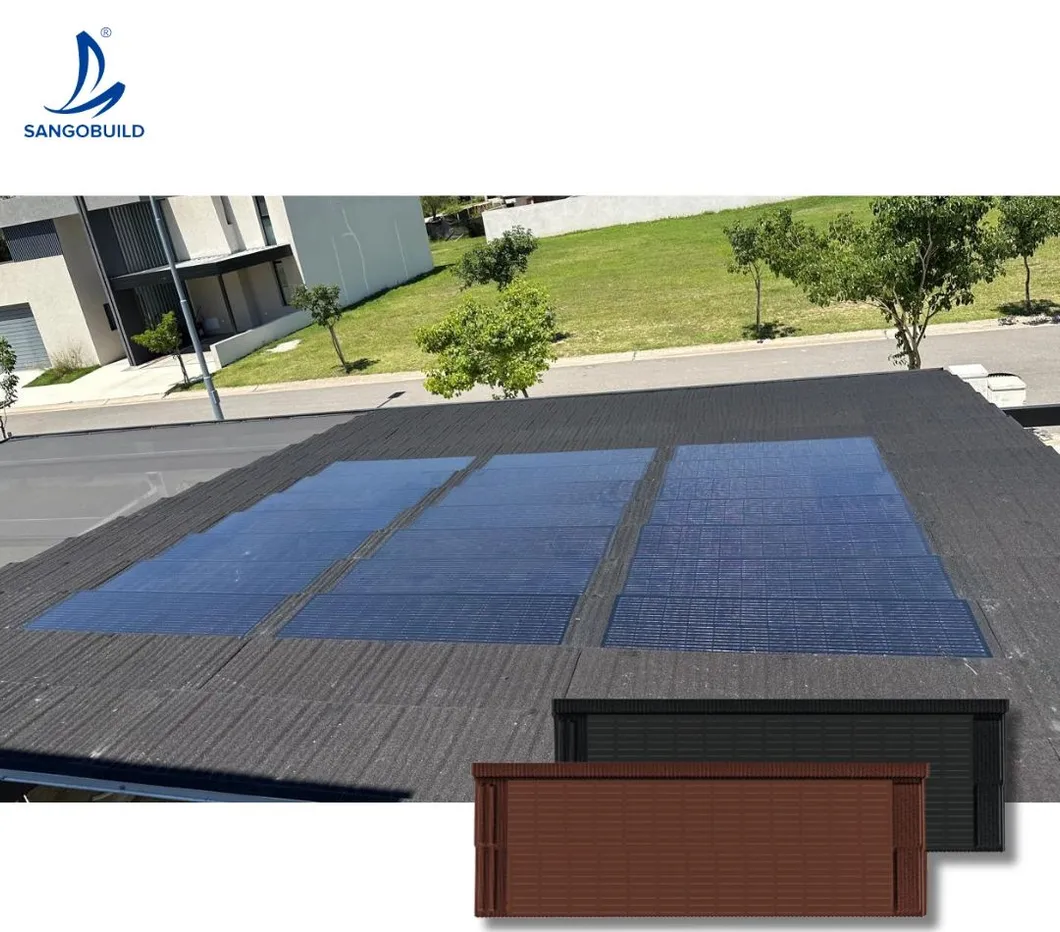
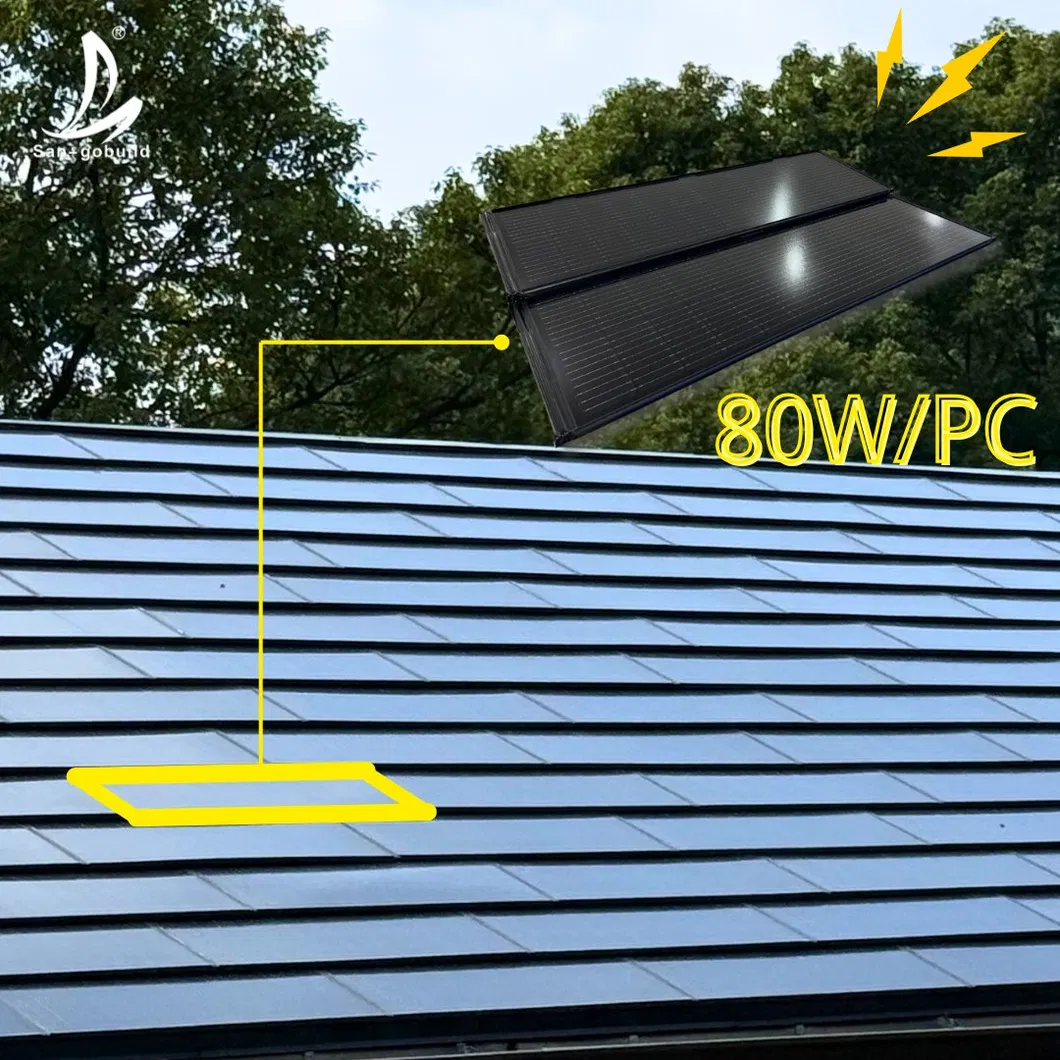
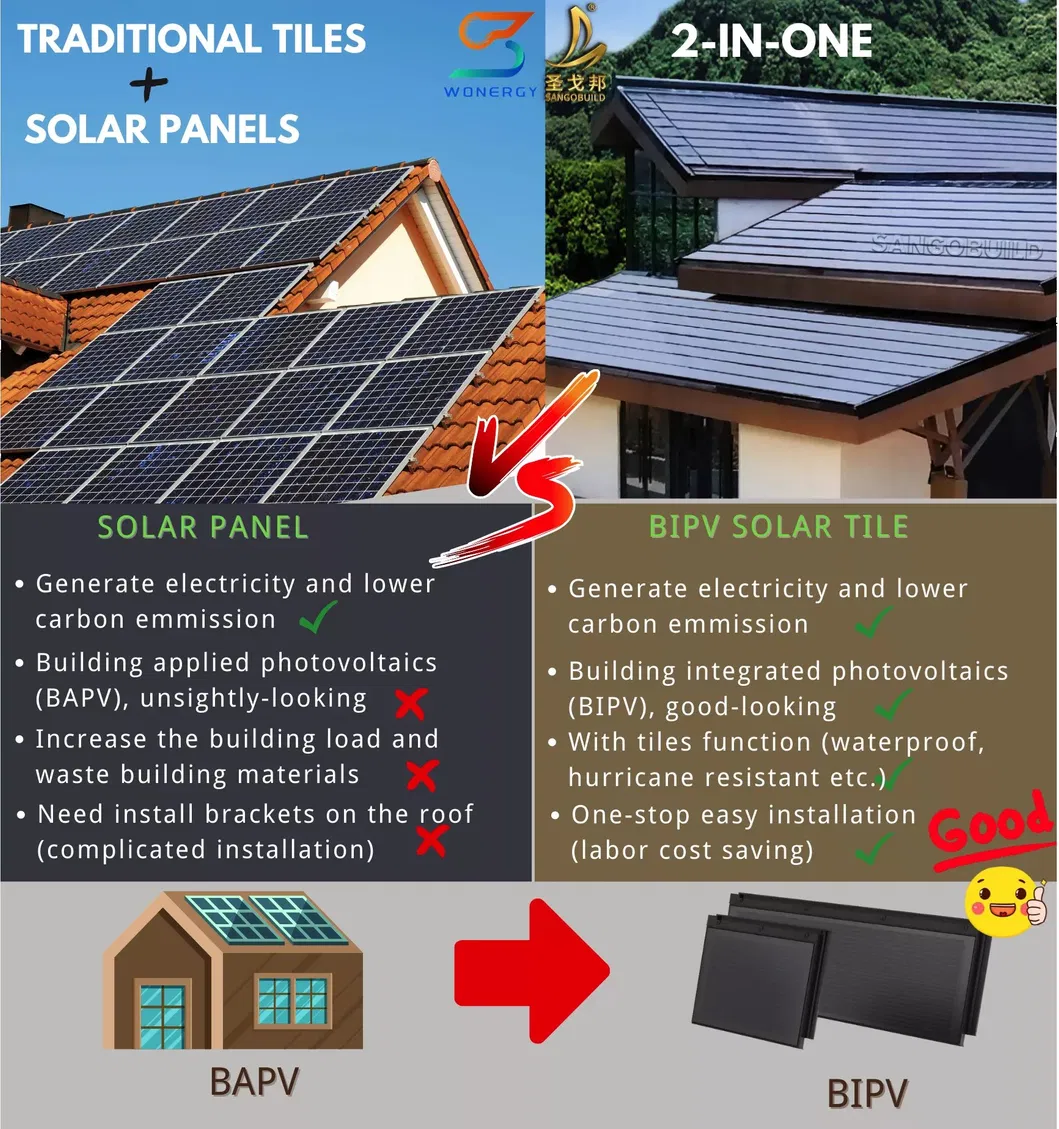
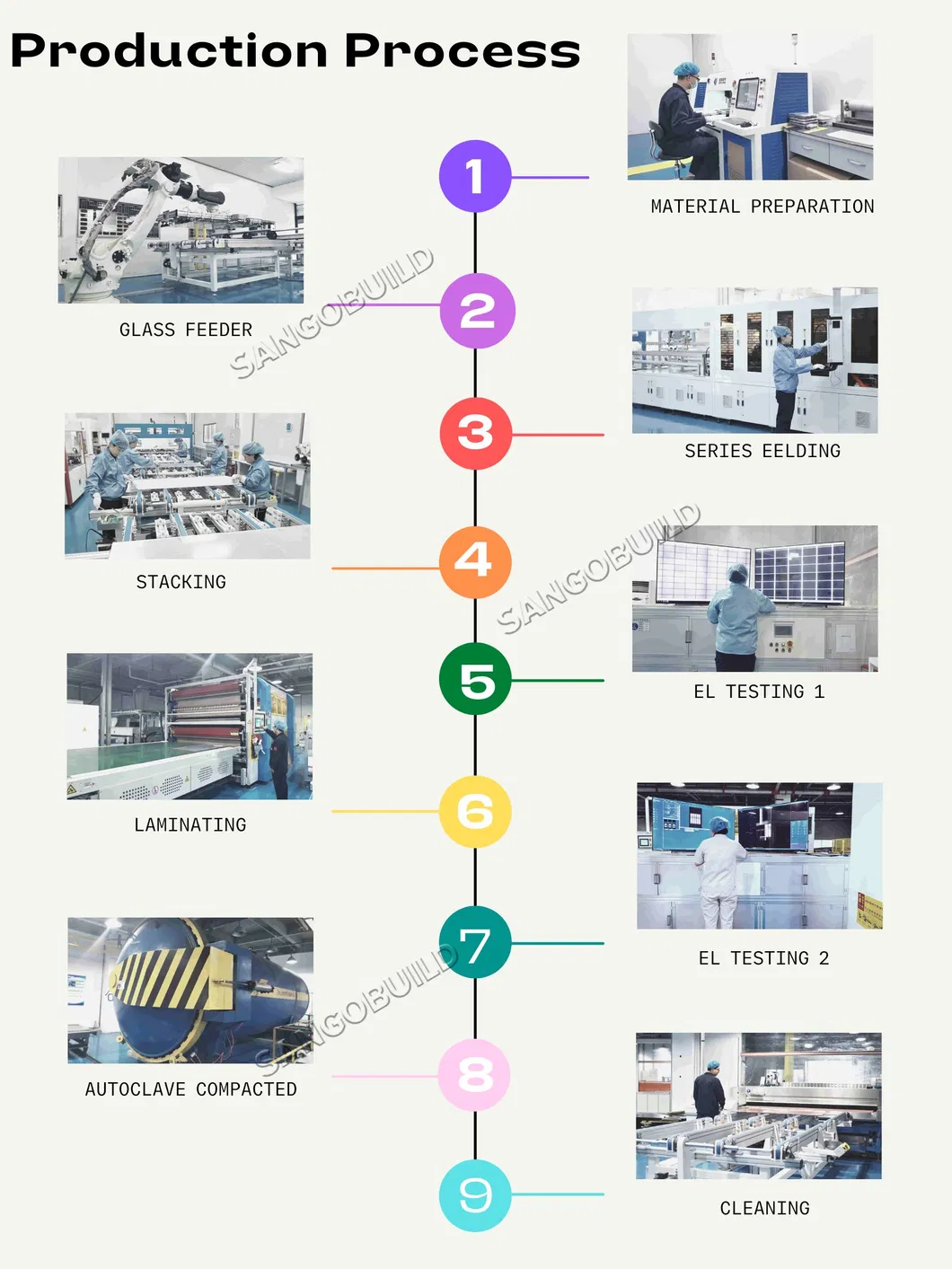
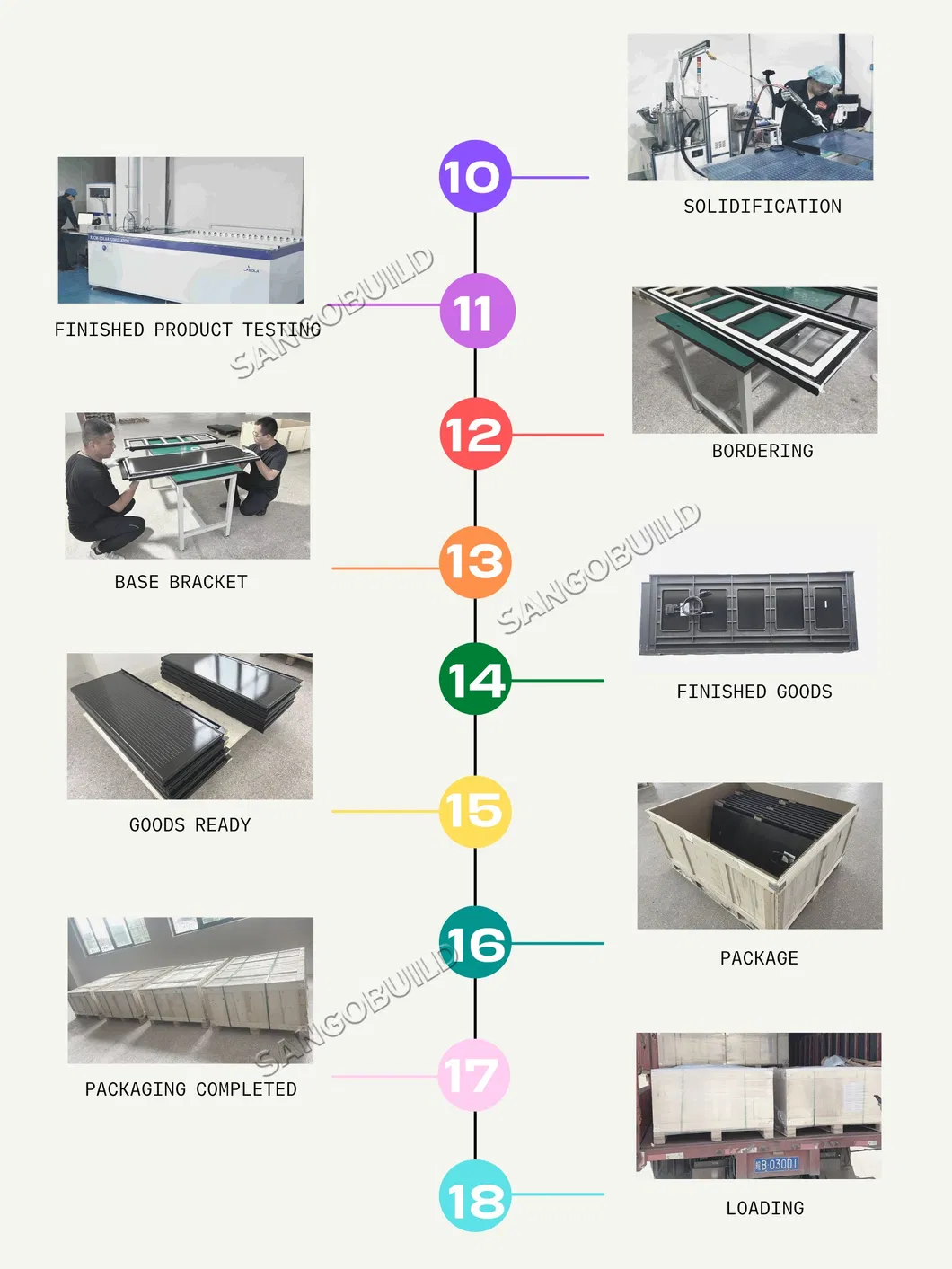
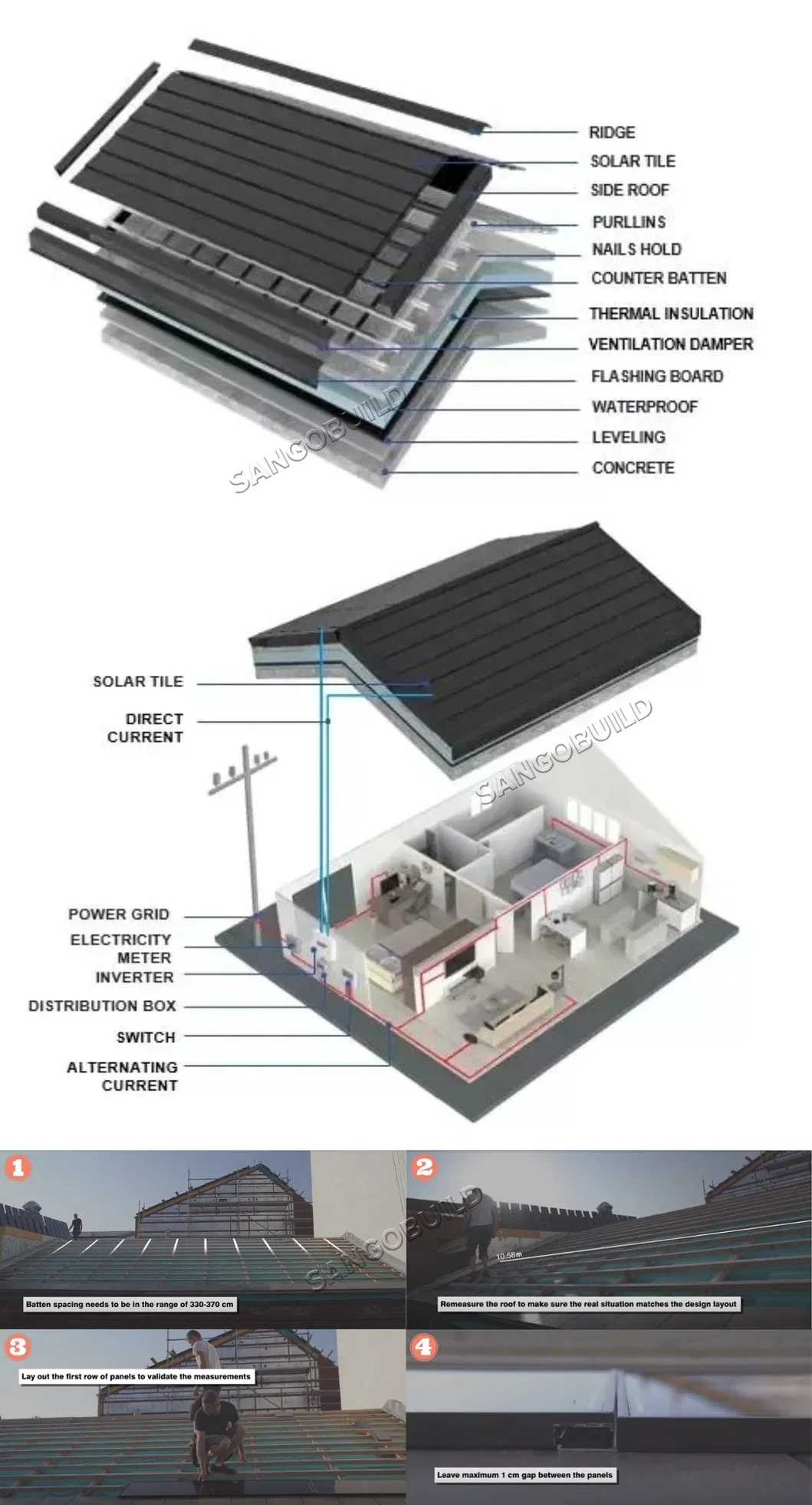
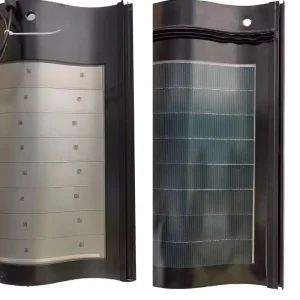
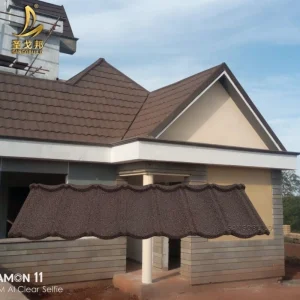
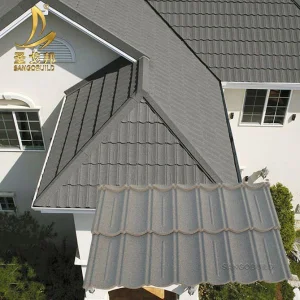
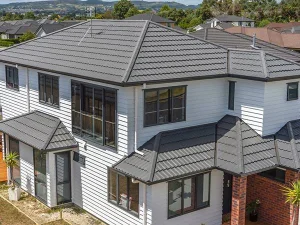
Solar roofing is designed to capture the energy from the sun that is shining on your roof and turn that energy into a usable power source for your home. These are essentially mini solar panels designed to look like and function as conventional roofing materials. Known as building-integrated photovoltaics (BIPV), they resemble asphalt shingles or slate tiles while producing electricity.
Product Advantages
Beautiful Appearance: Standardized, modular design that replaces traditional building materials while providing clean energy.
Excellent Waterproofing: Tempered glass surface with a double trapezoid gutter structure for fast water drainage and zero seepage.
Thermal Insulation: Features heat dissipation functionality via interconnection spaces, allowing hot air to discharge through the main ridge.
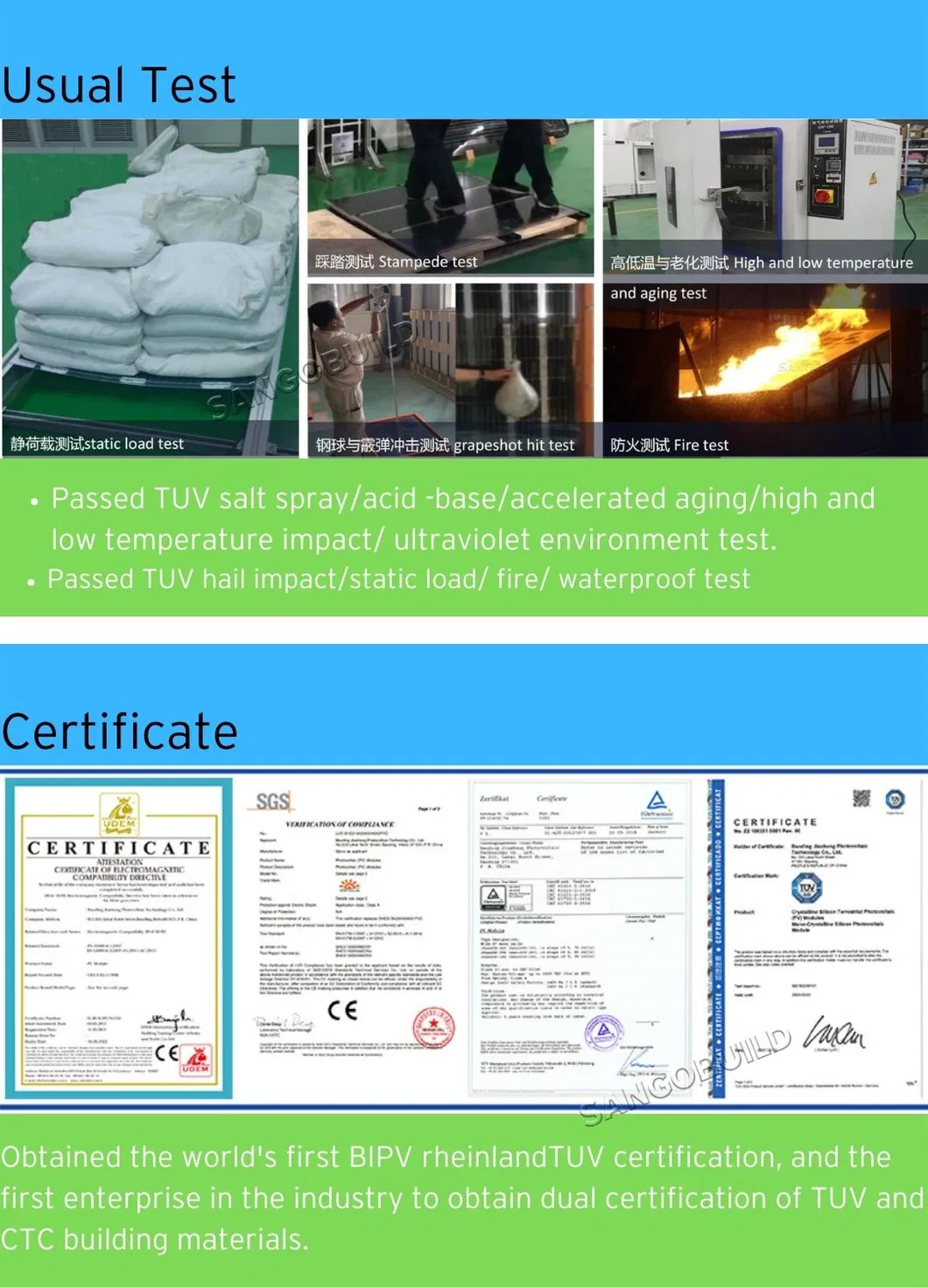
Super Strength: 3 times the strength of ordinary tiles; highly resistant to trampling and hail.
Test & Certification
Our products have obtained global BIPV certifications including CE (IEC 61215, IEC 61730), ISO 9001, ISO 14001, and ISO 45001. We are among the first to achieve dual certification of TUV and CTC for building materials.
Frequently Asked Questions
Q1: Where can I install Building Integrated Photovoltaics (BIPV)?
BIPV products can be incorporated into any exterior surface where sunlight hits, including facades, roofs, windows, balconies, or carports. They are designed to integrate seamlessly into the building envelope.
Q2: What are the main types of BIPV products available?
The most common types include solar roofing tiles, shingles, and panels. Modern innovations also include solar facades and transparent solar glass for windows, serving as both building material and energy source.
Q3: How much energy can a BIPV system produce?
Energy production depends on local solar radiation, climate conditions, and potential shading from trees or nearby buildings. Modern systems are highly efficient even in urban or slightly shaded areas.
Q4: Are BIPV systems worth the investment?
Yes. BIPV products serve a dual purpose: they protect the building and generate energy. By replacing traditional roofing costs with energy-generating materials, the overall investment pays for itself through electricity savings and reduced building material costs.
Q5: How long do solar roofing tiles last compared to traditional materials?
While traditional asphalt roofs may last around 15 years, solar shingles and tiles typically have a lifespan of 25-30 years with minimal drops in efficiency, offering much greater long-term durability.
Q6: Do solar tiles require special maintenance?
Most solar tiles are designed to be low-maintenance. The tempered glass surface is often self-cleaning during rainfall. In high-pollution areas, occasional rinsing can help maintain maximum energy efficiency.
 Sypower Solar