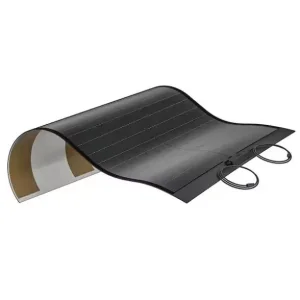
FLEX-03N-130W CIGS Flexible Solar Laminate PV for Rooftop
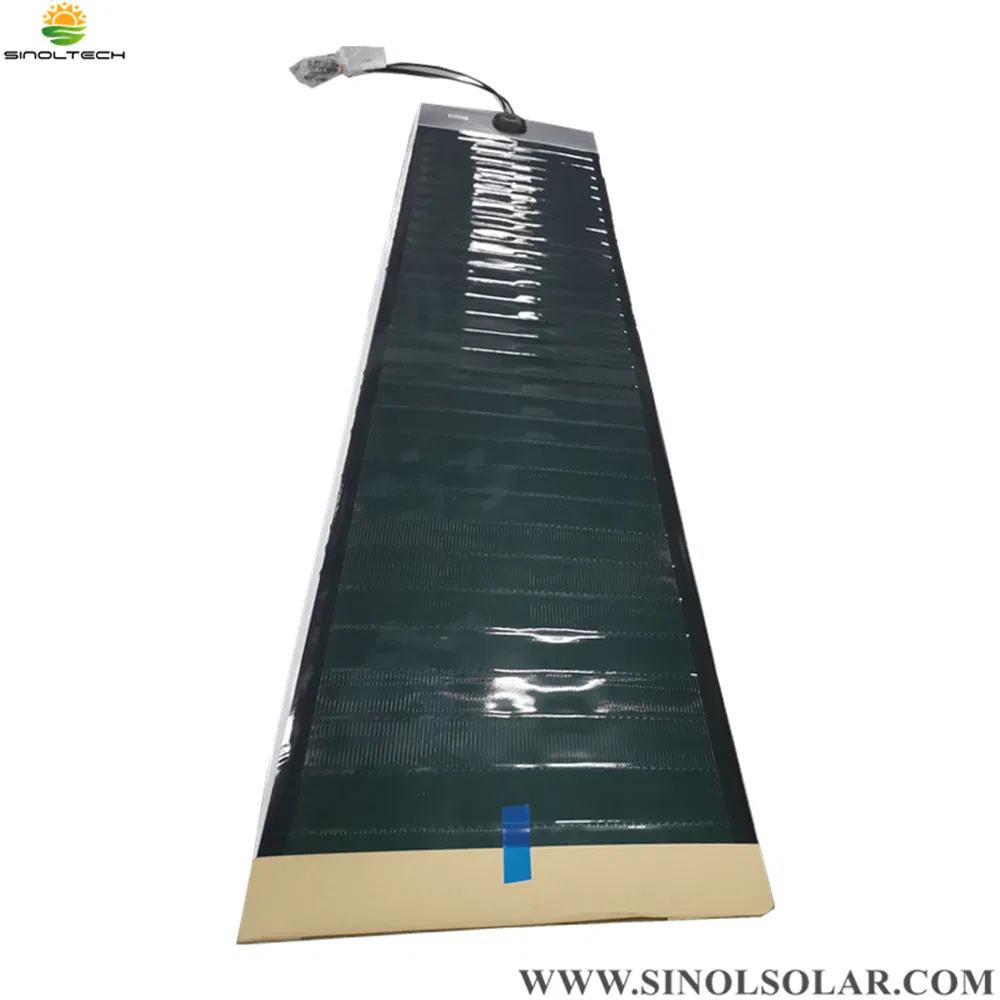
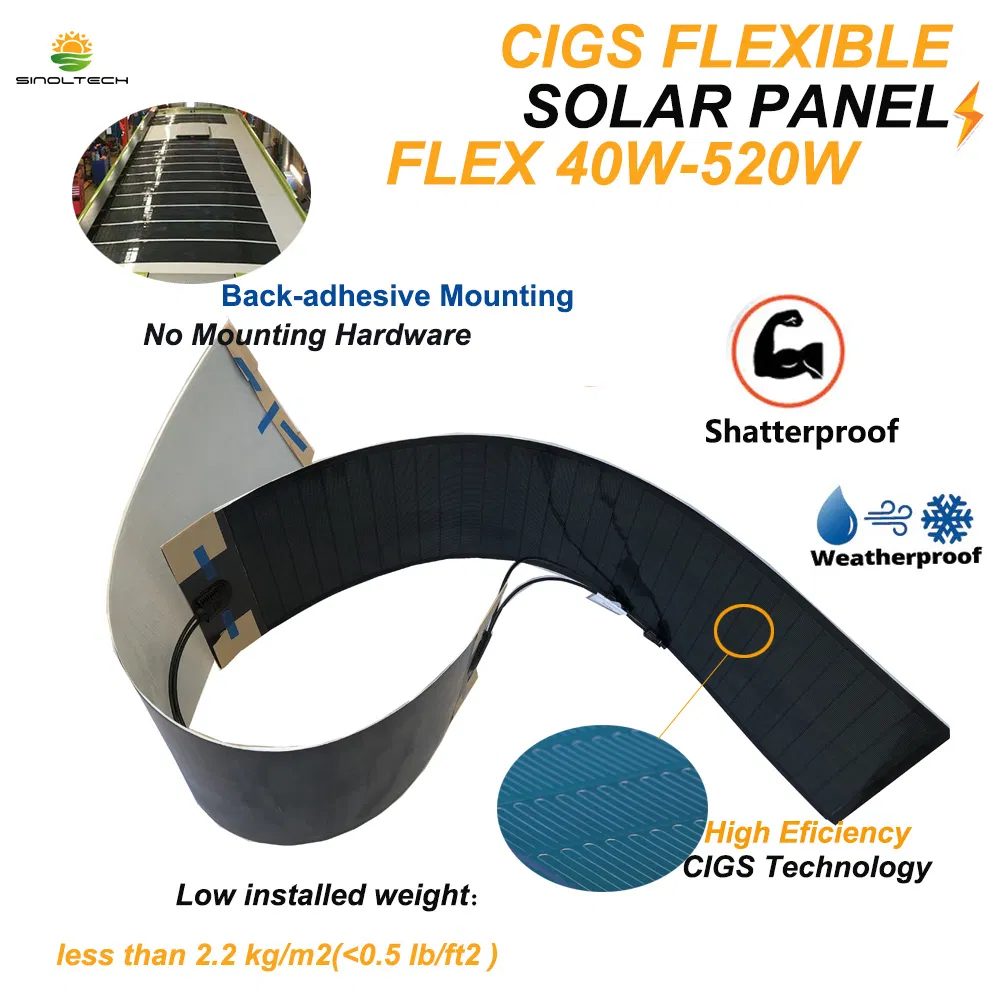
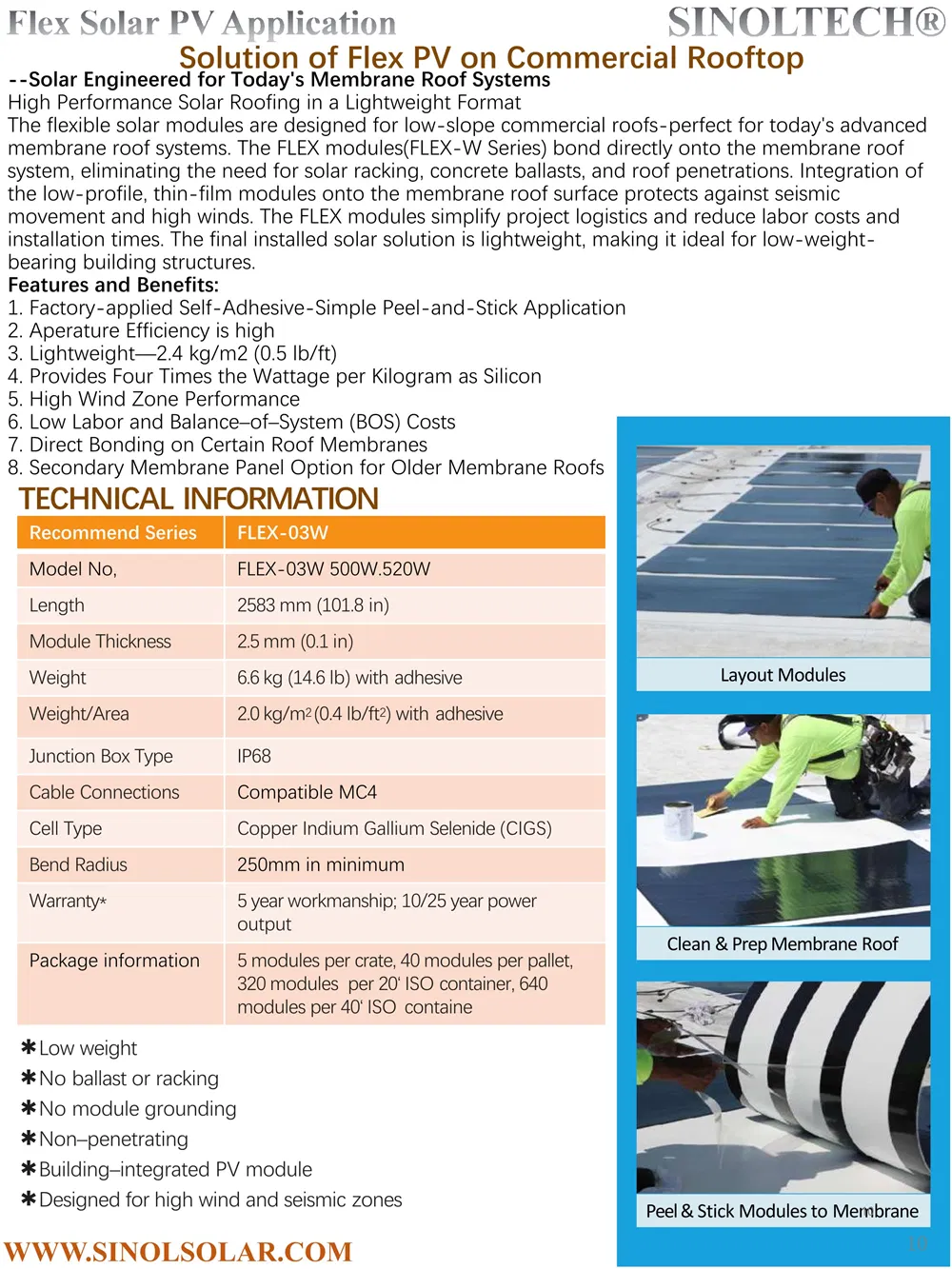
Our flexible solar panel adopts CIGS (Copper Indium Gallium Diselenide) technology, which has an aperture efficiency as high as 17%, rivaling that of rigid glass panels.
Advanced Technology & Process:
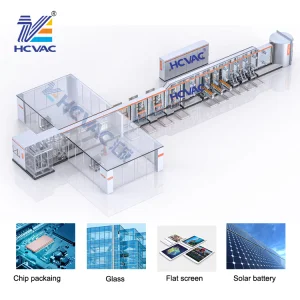
The production begins with high-grade stainless steel foil using an advanced semiconductor deposition process (PVD). This creates the most controlled, stable, and powerful flexible stainless steel CIGS cell. The cells are protected by special water barrier plastics and a back sheet with an internal aluminum film to prevent erosion and ensure longevity.
Core Benefits:
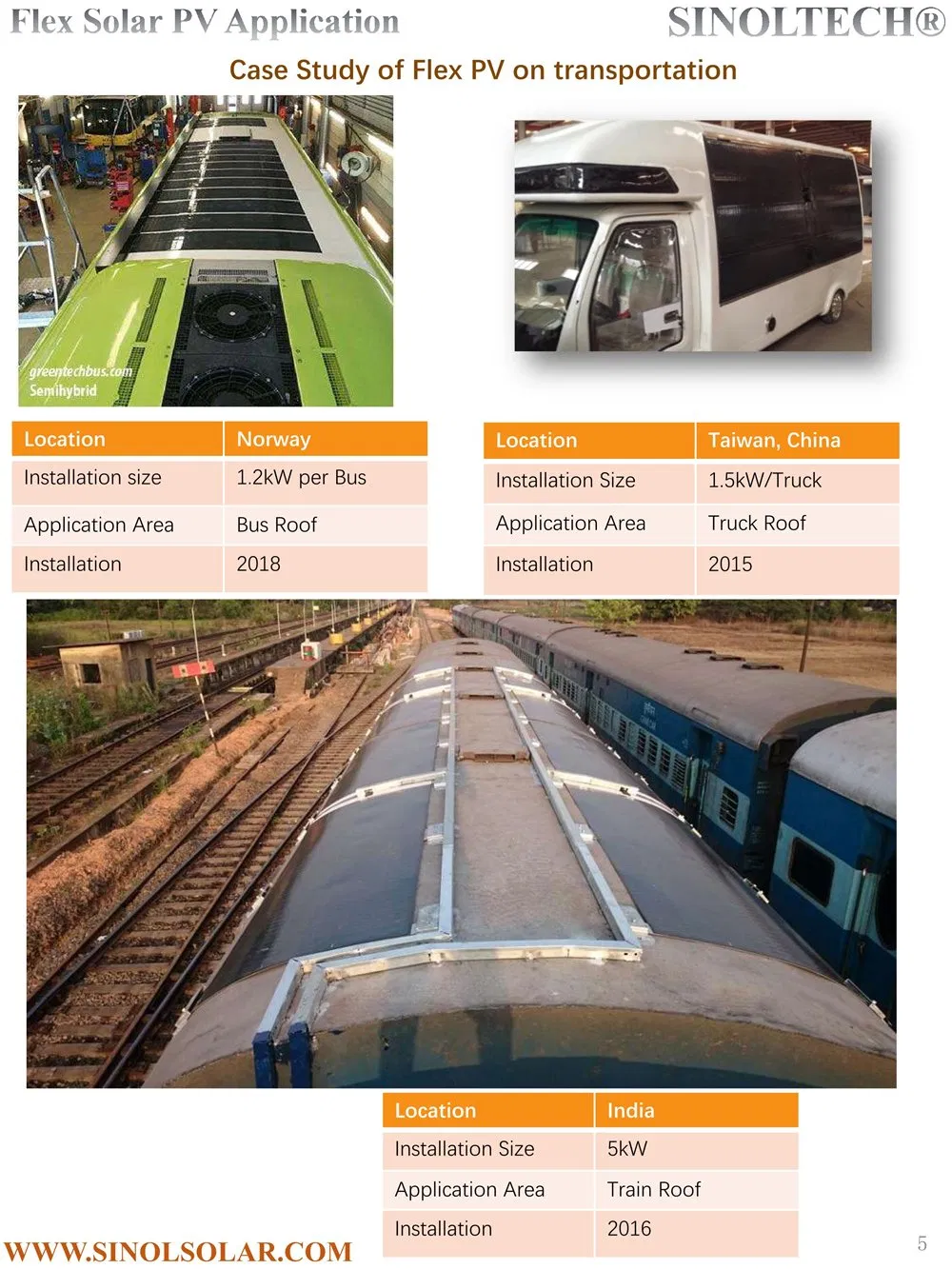
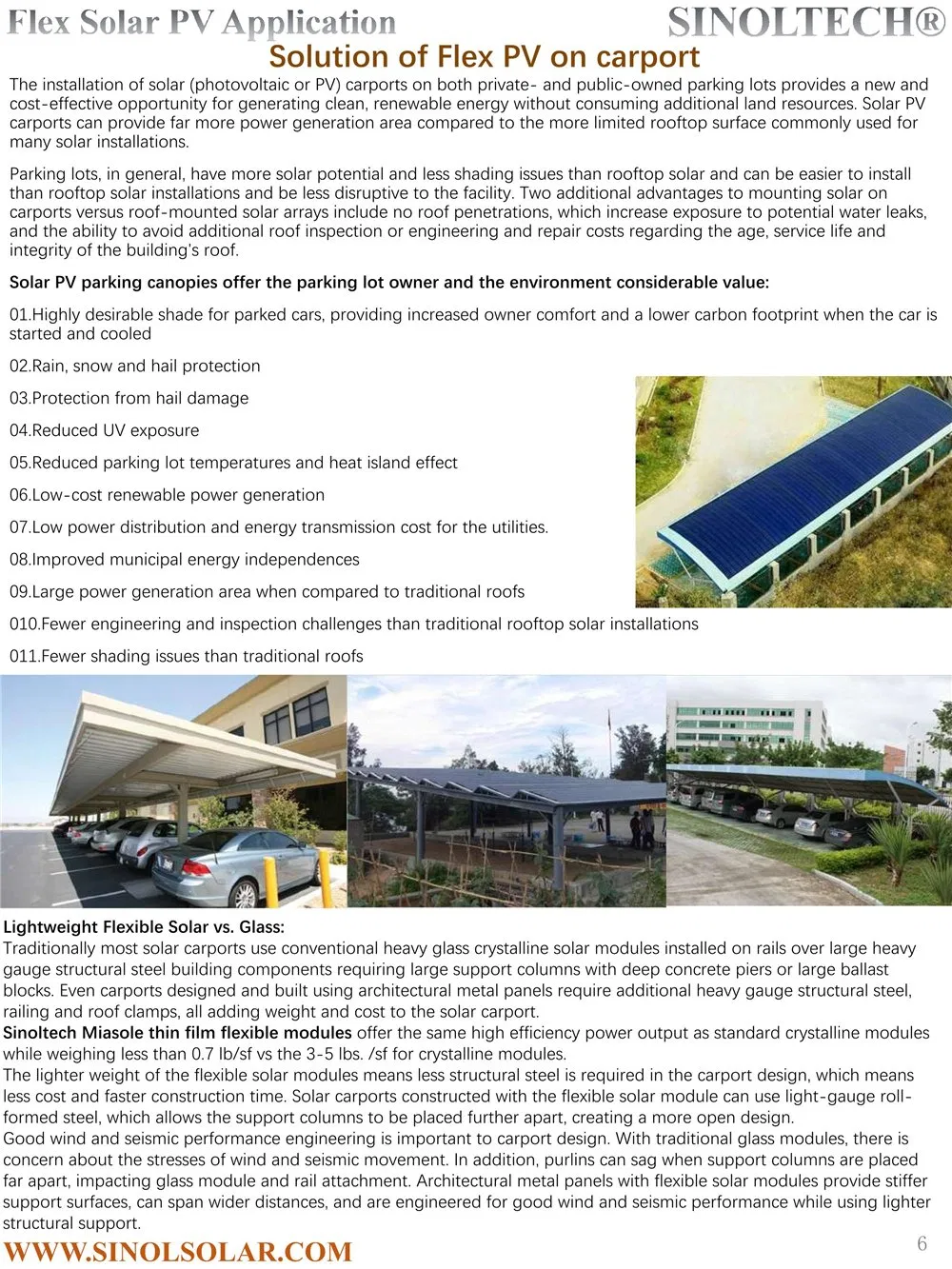
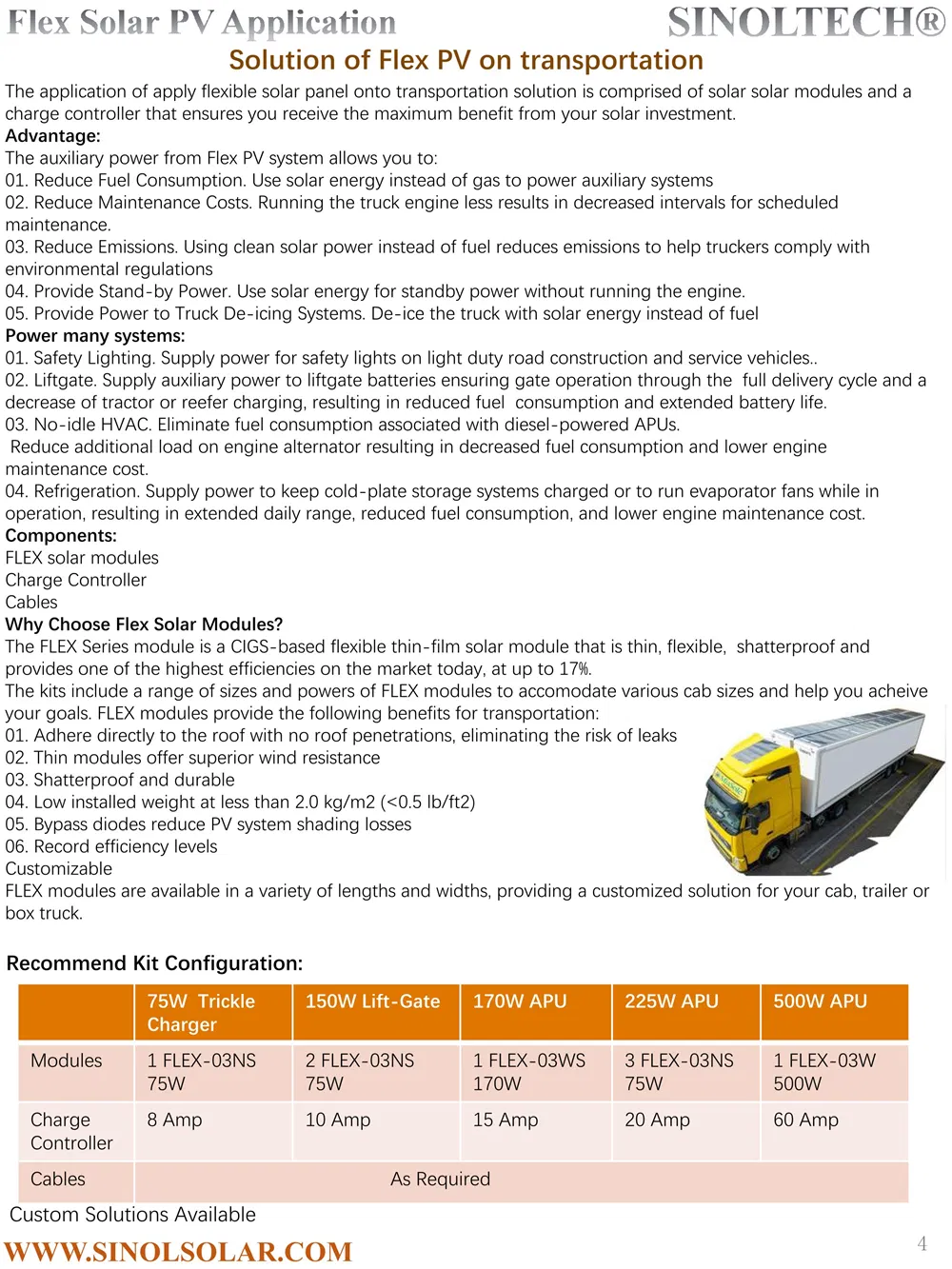
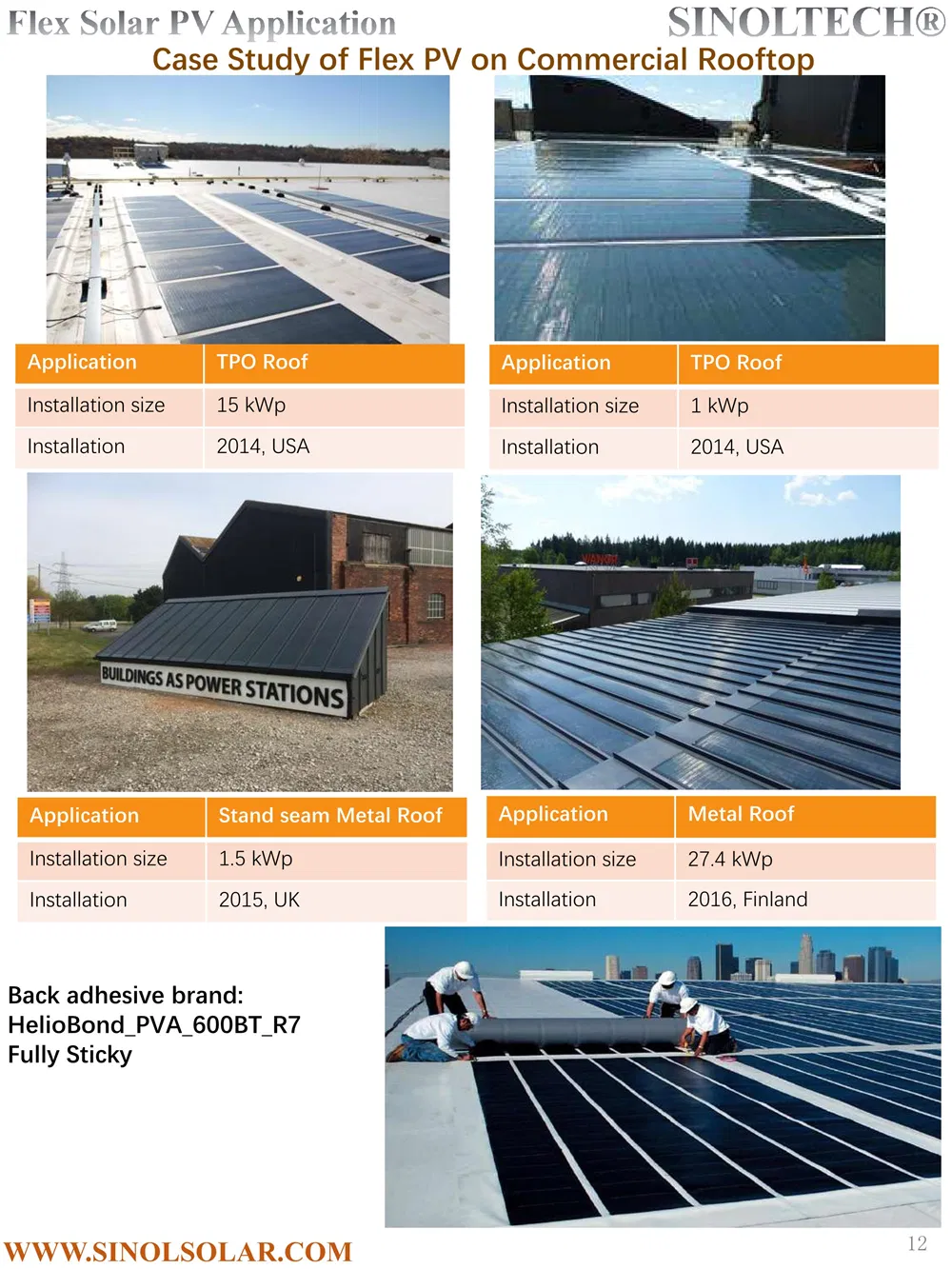
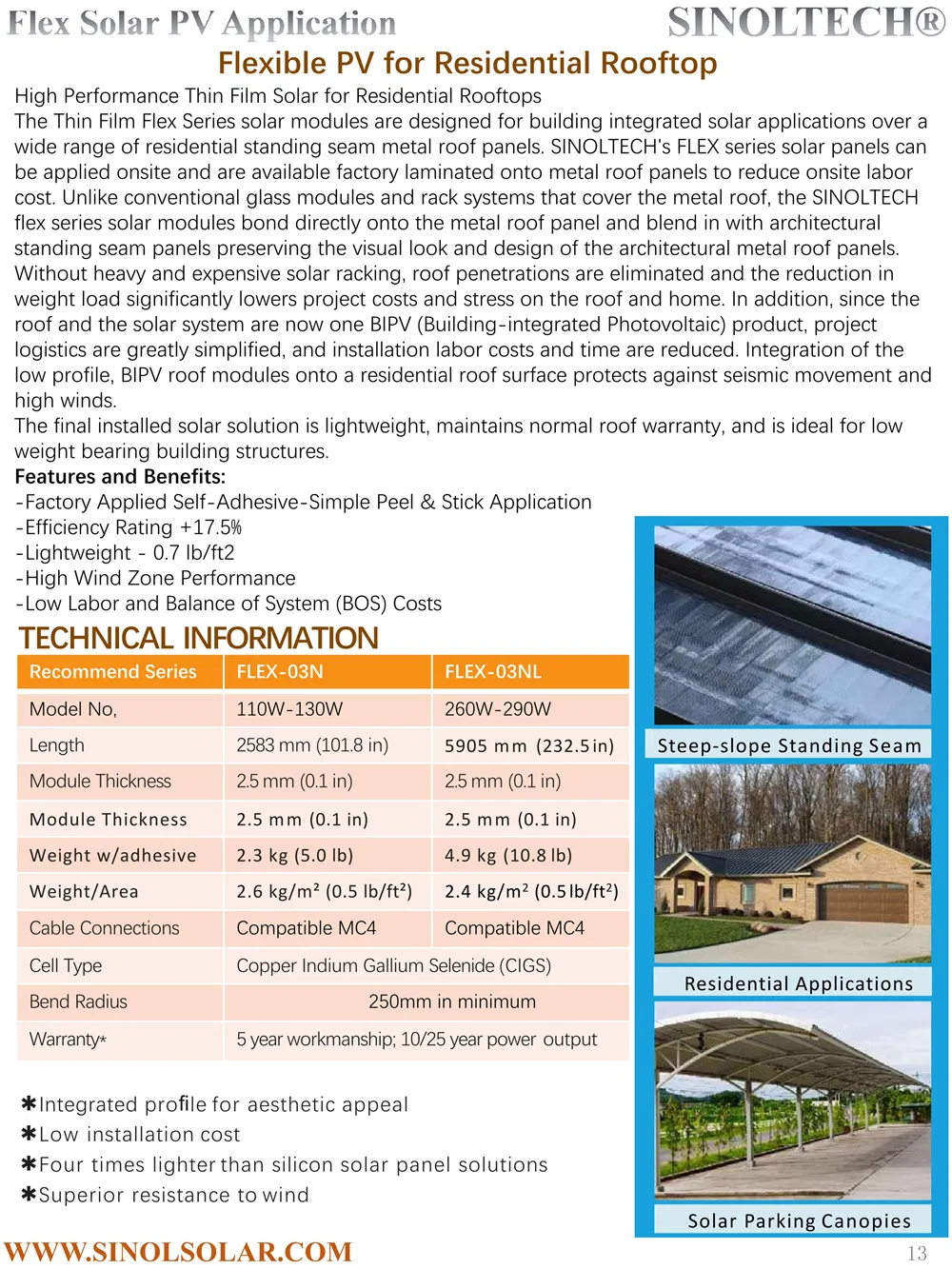
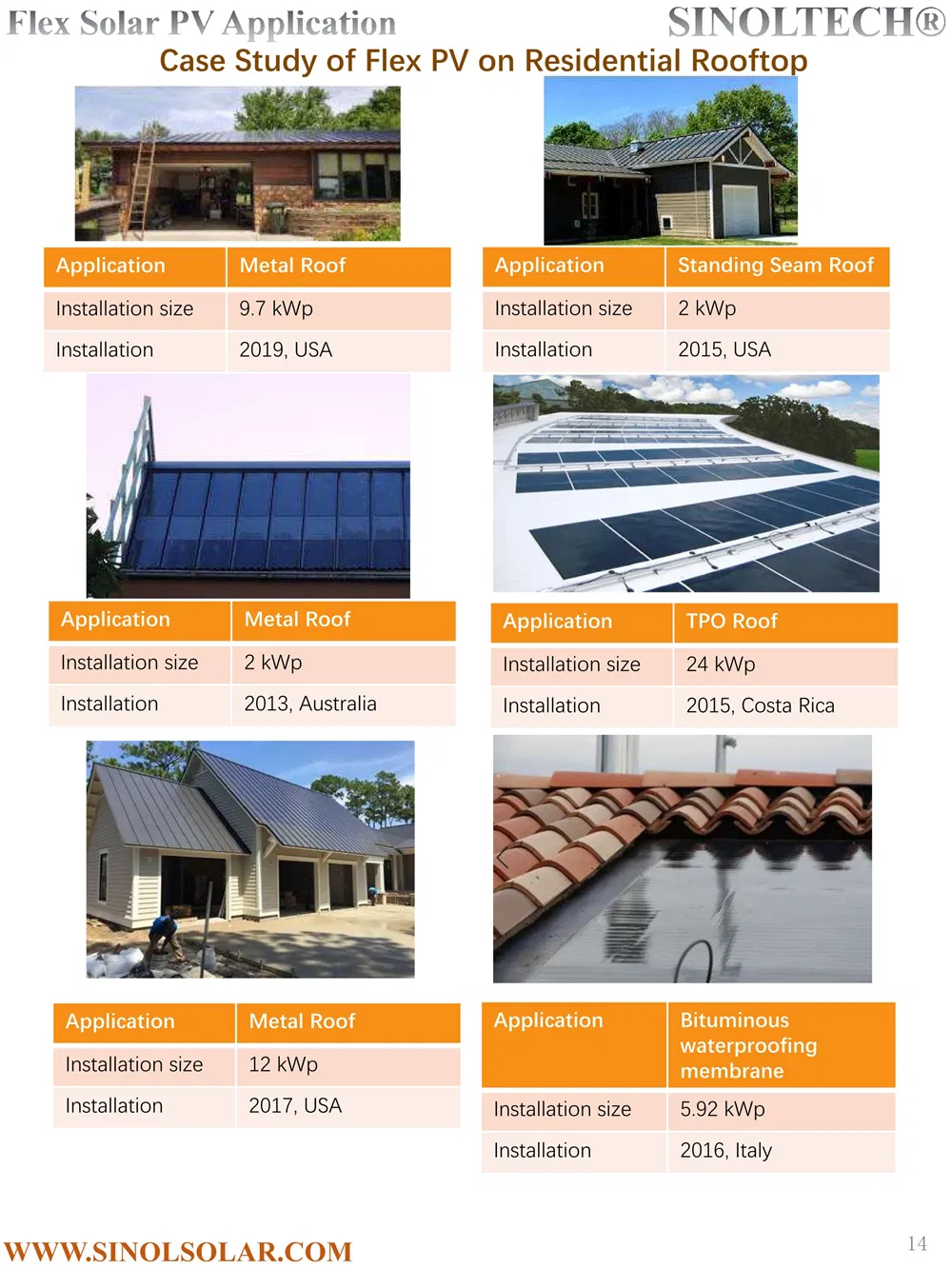
- Lightweight: Less than 2.4 kg/m². Ideal for structures with low load limitations like RVs, trucks, and rooftops with snow load concerns.
- Powerful: Highest efficiency flexible thin-film modules in production, providing over four times the power per kilogram compared to silicon.
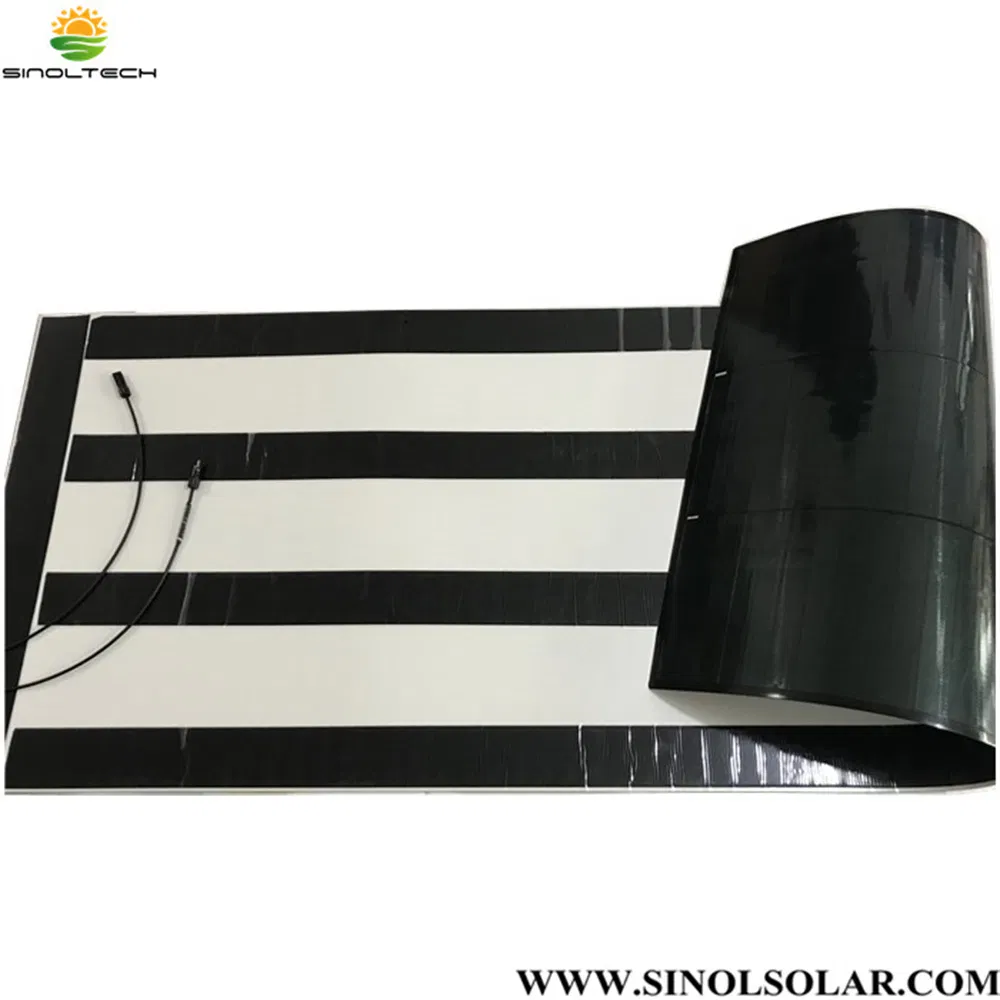
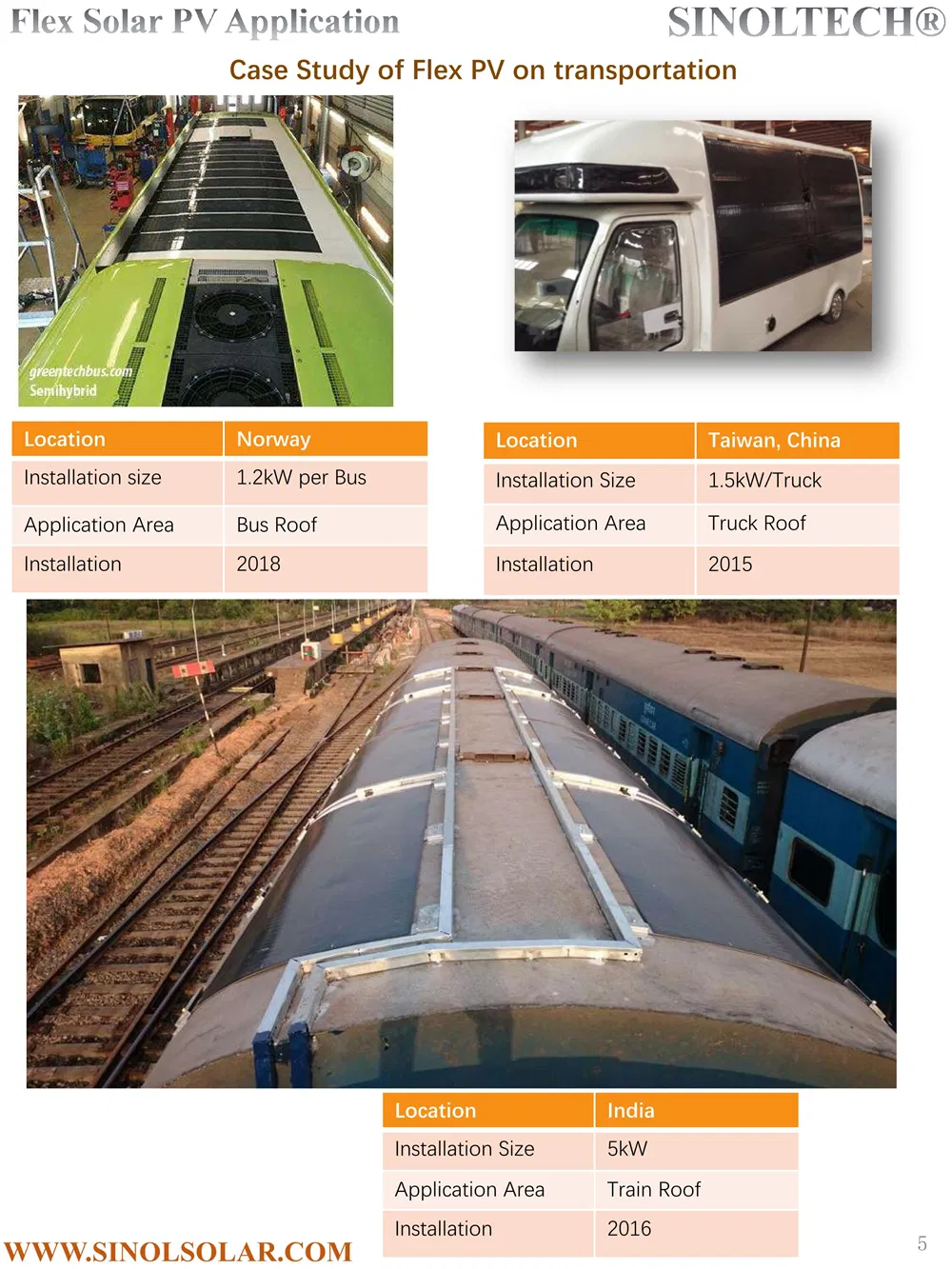
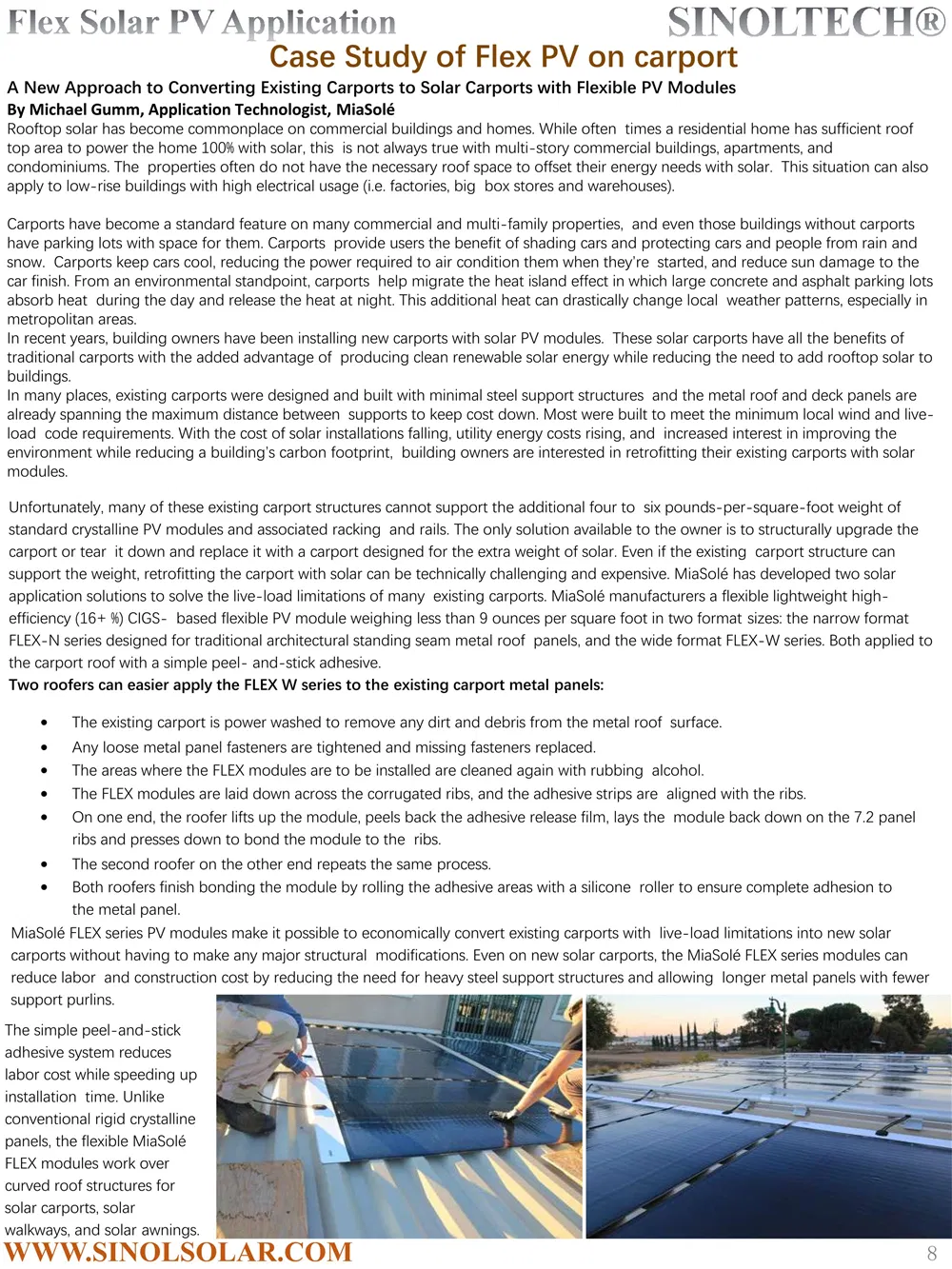
- Easy to Install: Peel-and-stick application eliminates structural penetrations and reduces the chance of leaks.
- Resistant: Shatterproof and 2.5mm thin, offering excellent wind and seismic resistance.
?
Frequently Asked Questions
What is CIGS solar technology?
CIGS stands for Copper Indium Gallium Diselenide. It is a thin-film solar technology that offers high efficiency and flexibility compared to traditional crystalline silicon panels.
How are these panels installed?
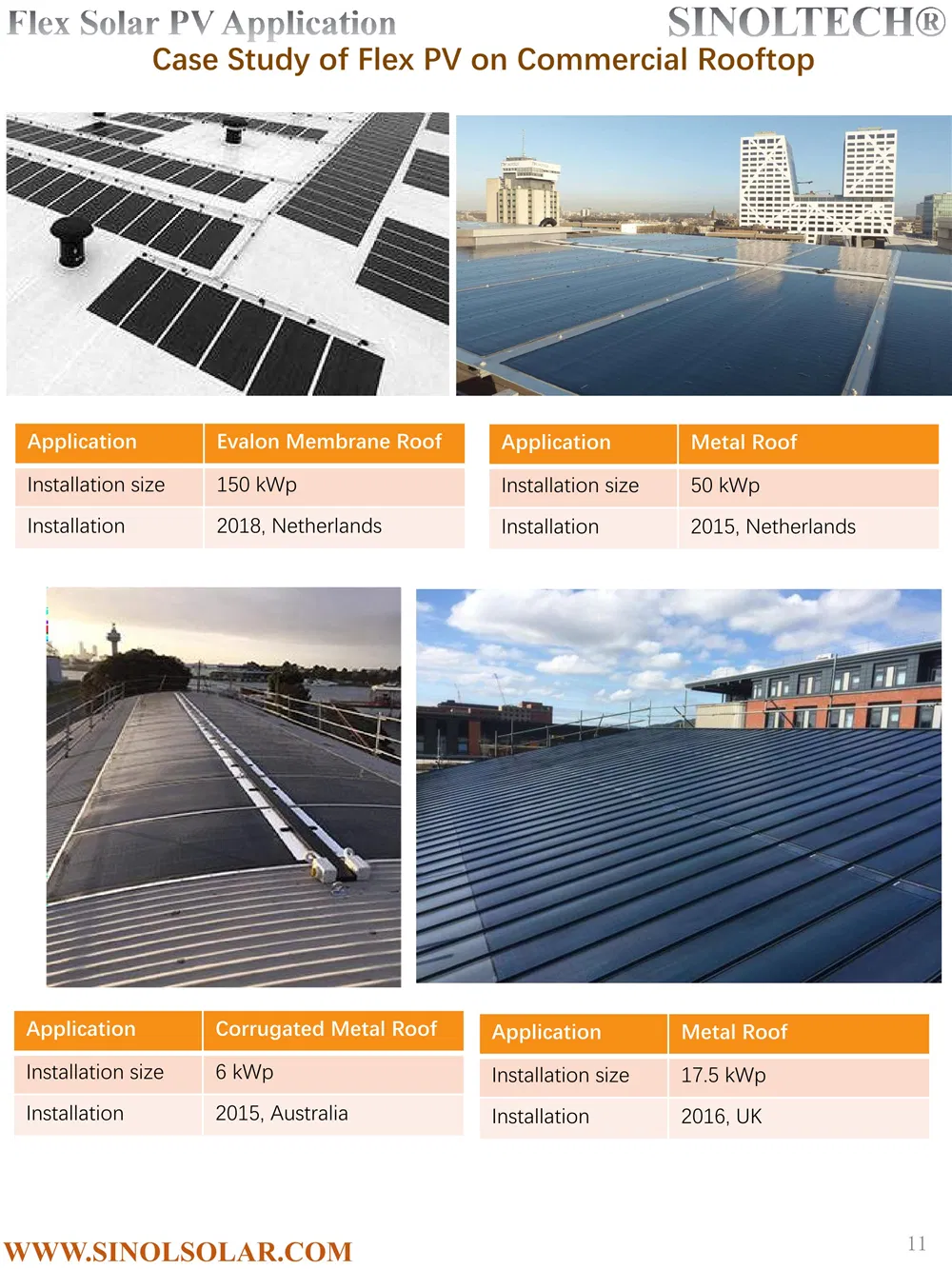
These modules feature a "peel-and-stick" application. They bond directly to approved surfaces, eliminating the need for heavy racks or roof penetrations.
Are flexible solar panels durable?
Yes, they are shatterproof and resistant to natural disasters like wind and debris. Their 2.5mm thickness provides excellent aerodynamic and seismic resistance.
Can they be used on curved surfaces?
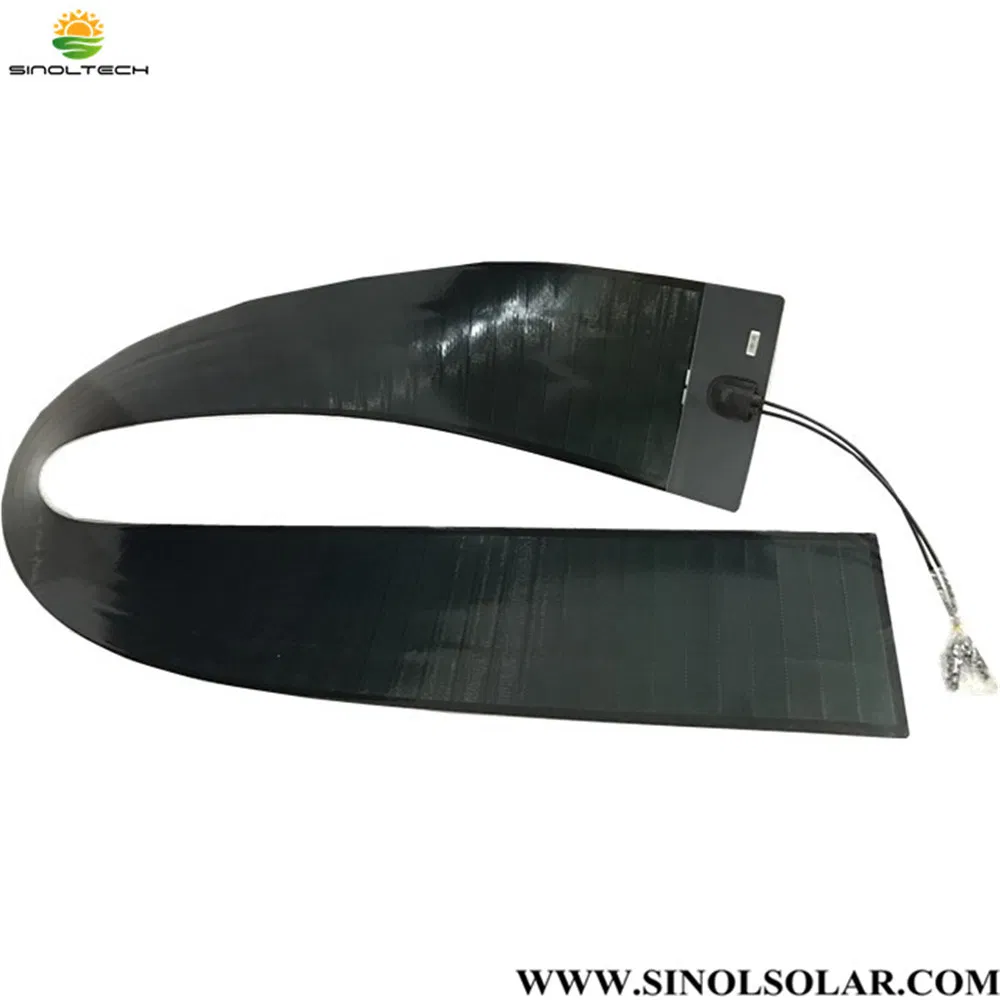
Absolutely. The FLEX series is designed to conform to curved surfaces, making them ideal for RVs, trucks, and unique architectural rooftops.
What makes them "lightweight"?
The modules weigh less than 2.4 kg/m², which is significantly lighter than glass-based panels. This makes them perfect for structures with low load-bearing capacity.
How do they perform in hot climates?
CIGS technology generally has a better temperature coefficient than standard silicon modules, allowing them to maintain higher performance in extreme heat.
 Sypower Solar