The global shift toward decentralized energy systems has catalyzed unprecedented demand for highly integrated, pre-engineered solar solutions. As utility-scale grids face physical limits and geopolitical volatility drives fossil fuel pricing, commercial enterprise and residential consumers alike seek self-generation capacities. Within this context, "CE Certified Solar Power Kits" represent a critical nexus of safety compliance, interoperability, and deployment efficiency. CE certification indicates that these complete systems comply with strict European directives regarding health, environmental safety, and structural integrity. For international buyers, this compliance mitigates import risks and guarantees grid-compatibility across diverse regional markets.
Our research and engineering protocols at Shanxi Sypower Solar Co., Ltd. address the specific user search intent of global procurement managers: the demand for optimized Levelized Cost of Energy (LCOE). A solar power kit is not merely a combination of photovoltaic panels and an inverter. Rather, it is a complex thermodynamic and electrical system that must perform under variable solar radiation profiles, temperature fluctuations, and environmental stressors. By providing CE-compliant, pre-configured packages, we simplify the engineering barrier for system integrators, reduce installation errors, and accelerate project commissioning timelines from weeks to days.
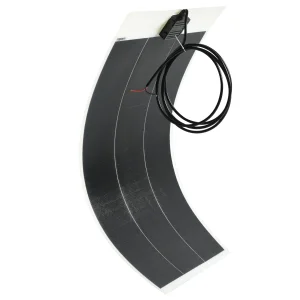
SEO Insights & Information Gain: Standard industry listings focus purely on wattage. To provide genuine analytical depth, we evaluate the synergistic performance between thin-film building integration (BIPV) and active storage architectures. Our CE-certified kits incorporate specific protections (EN 61215/EN 61730) ensuring long-term mechanical stability and resistance to PID (Potential Induced Degradation), providing actionable value to engineers drafting commercial specifications.
Shanxi Sypower Solar Co., Ltd. is dedicated to addressing the global challenge of climate change. The company specializes in the research and development, manufacturing, and sales of renewable energy products and system integration. We also focus on the development, investment, mergers and acquisitions, construction, and operation of photovoltaic power stations, both with and without energy storage systems.
Our product range primarily includes Building-Integrated Photovoltaics (BIPV), solar carports, residential energy storage systems, and related auxiliary components. We have established a comprehensive professional service system that includes pre-sales, sales, and after-sales support. Additionally, we have created distribution channels in various countries and regions, allowing us to cater to a wide range of customers globally. Our team is capable of developing customized products for diverse application scenarios.
Shanxi Sypower Solar Co., Ltd. is committed to becoming a global leader in providing equipment, system integration, and professional services for renewable energy applications. Our mission aligns with the global carbon neutrality goal, and we strive to play a key role in this global movement.
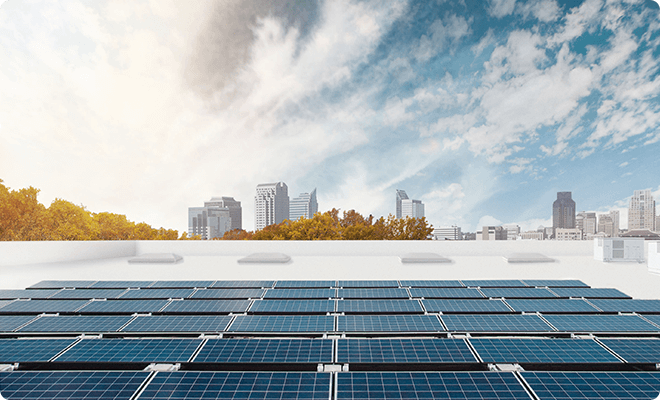
Sustainable structural design requires expanding beyond traditional roof-mounted silicon solar arrays. Our technology roadmap bifurcates into two main paths, engineered to maximize environmental adaptability:
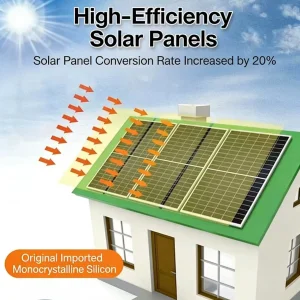
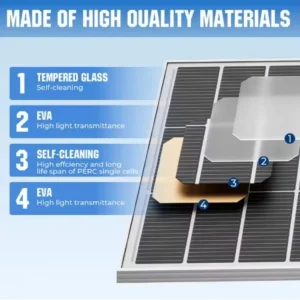
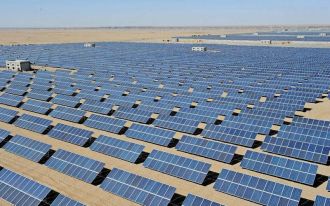
A. Advanced Crystalline Silicon Systems (Mono-PERC & N-Type TOPCon): Designed for maximum yield per square meter, our 780W and 465W marine-grade solar arrays utilize ultra-thin monocrystalline silicon cells. By optimizing the emitter passivation and adding back surface reflection layers (PERC), we maintain an excellent temperature coefficient of -0.35%/°C. This ensures consistent power delivery in high-heat environments, such as desert deployments and coastal commercial installations.
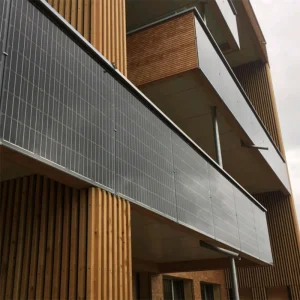
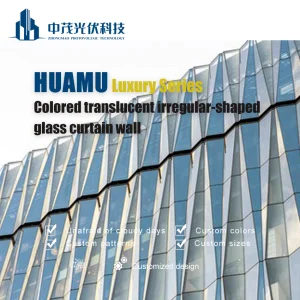
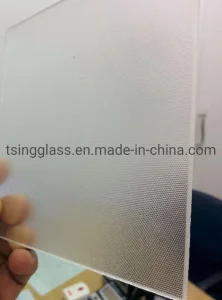
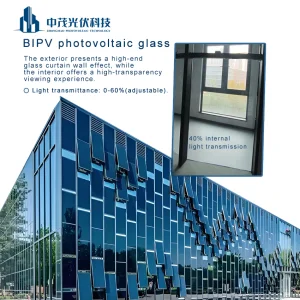
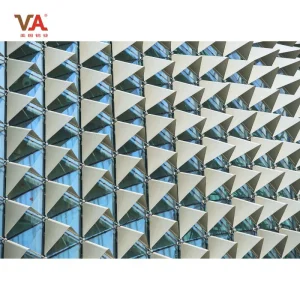
B. Cadmium Telluride (CdTe) Building-Integrated Photovoltaics (BIPV): To achieve true architectural integration, Sypower has invested in CdTe thin-film glass technologies. Unlike conventional silicon panels, CdTe PV glass exhibits a low temperature coefficient (-0.21%/°C) and performs exceptionally well under diffuse, low-light conditions. This makes it ideal for vertical facade integration, such as glass curtain walls, where standard panels suffer from angle-of-incidence losses. Furthermore, the customizable opacity (ranging from 10% to 50% light transmittance) allows architects to balance internal illumination requirements with structural power generation objectives.
The global clean energy market requires competitive production alongside strict quality control. Our manufacturing operations in Shanxi, China, utilize advanced localized industrial clusters. By integrating raw material sourcing, automated ingot and wafer slicing, cell passivation, and modular assembly within a localized geographic radius, we reduce transit latency and logistics overhead. This vertical integration directly lowers procurement costs for our global B2B clients, enhancing project ROI.
Our Quality Assurance framework involves testing every unit before shipment. Solar cells undergo high-resolution electroluminescence (EL) imaging to identify micro-cracks invisible to the naked eye. In addition, our structural glass modules undergo mechanical load testing (up to 5400 Pa front load for snow and wind resistance) and damp-heat testing (85°C at 85% relative humidity for 1000 hours). This rigorous quality control ensures that our solar power kits maintain reliable performance, even in challenging environments like hyper-arid regions or salt-spray coastal zones.
In addition to standard configurations, we offer extensive OEM and ODM customization. Whether optimizing structural framing dimensions for regional wind load requirements, tailoring electrical connection configurations for specific regional grid standards, or engineering custom-branded packaging for distributors, our engineering team manages the design cycle from CAD modeling through to final CE certification compliance.
Enterprise Vision: At Shanxi Sypower Solar, our vision is to create a world powered by sustainable, clean energy systems. We are dedicated to leading innovation in the renewable energy sector and contributing to a greener, more environmentally friendly planet. By harnessing natural resources like solar and wind power, we aim to develop cutting-edge technologies that meet the growing global demand for clean energy.
Our commitment extends beyond providing renewable energy solutions. We actively promote the widespread adoption of these technologies by collaborating with governments, businesses, and communities worldwide. Through partnerships and outreach initiatives, we aim to raise awareness about the benefits of transitioning to sustainable energy. We also prioritize social responsibility alongside environmental sustainability.
Social Responsibility: As a multinational renewable energy company, Shanxi Sypower Solar Co., Ltd. acknowledges its significant impact on society and the environment. We are committed to being a positive force in both areas.
First and foremost, we focus on promoting sustainable development through the production and use of clean energy. By adopting solar energy solutions, we reduce carbon emissions and help slow climate change. Our photovoltaic products provide renewable energy for residential, commercial, and industrial sectors, thereby decreasing reliance on fossil fuels.
In addition to our environmental efforts, corporate philanthropy is a cornerstone of our social responsibility initiatives. We are actively engaged in charitable activities aimed at improving the living conditions of vulnerable communities and providing support to areas affected by natural disasters. Whether through financial assistance or volunteer resources, we strive to make a tangible, positive difference in the lives of those in need.
As a responsible renewable energy company, Shanxi Sypower Solar Co., Ltd. is committed to minimizing our environmental impact through clean energy solutions. We are equally dedicated to contributing to local communities through educational projects, ethical business practices, and corporate philanthropy—without any political affiliation. Our goal is to make the world a better place by promoting sustainability and enhancing social well-being.
 Sypower Solar