Explore our tailored, high-efficiency solar modules, BIPV applications, custom storage solutions, and robotic maintenance platforms designed for global engineering enterprises.
The global transition toward decentralized clean energy infrastructure is accelerating at an unprecedented rate. Renewable power generation, specifically Commercial & Industrial (C&I) solar electric systems, is no longer merely a corporate sustainability gesture—it has evolved into a strategic financial imperative. Driven by escalating volatility in wholesale electricity markets, international carbon compliance policies (such as the EU's Carbon Border Adjustment Mechanism - CBAM), and strict corporate ESG targets, international procurement teams are actively migrating from standardized, off-the-shelf photovoltaic components toward custom-engineered OEM solar electric system solutions.
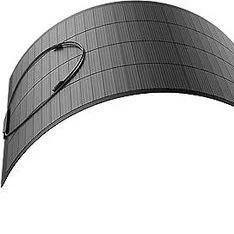
Custom Original Equipment Manufacturing (OEM) in the solar sector addresses a crucial operational challenge: structural, electrical, and aesthetic incompatibility across disparate geographic and industrial installations. Modern installations demand specialized form factors—ranging from ultra-lightweight flexible CIGS (Copper Indium Gallium Selenide) modules designed for load-constrained industrial roofs, to high-rigidity Building-Integrated Photovoltaic (BIPV) structural glass engineered to withstand extreme wind shear and thermal expansion in commercial sky-rises.
By procuring custom OEM solar electrical systems configured to exact site requirements, EPC (Engineering, Procurement, and Construction) contractors reduce balance-of-system (BOS) installation costs by up to 18%, while maximizing energy density per square meter over a 25-to-30-year operational lifecycle.
A complete custom solar electric system spans multiple structural and electrical layers. As a leading manufacturer, our production matrix spans the full spectrum of solar panel technologies, specialized mounting integration, customized lithium storage chemistries, and automated operational robotics.
Replacing conventional building materials with energy-generating photovoltaic glass. Designed for architectural facades, carports, and structural roofing with custom dimensions, light-transmittance levels (10% to 50%), and heavy load capacities.
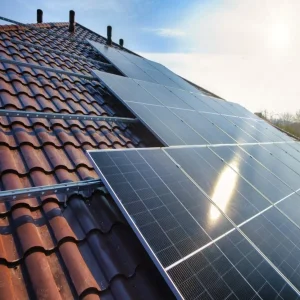
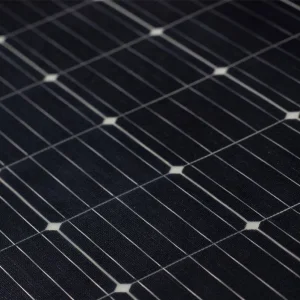
Implementation of N-Type TOPCon, Heterojunction (HJT), and HPBC (Hybrid Passivated Back Contact) cells, delivering conversion efficiencies exceeding 25% with minimal temperature coefficients (-0.29%/°C).
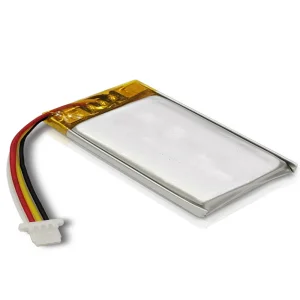
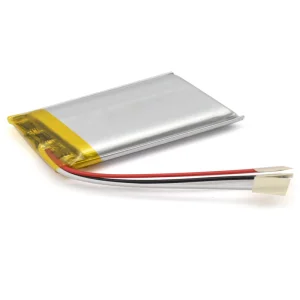
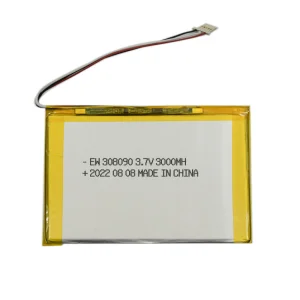
Tailored high-density LiFePO4 and Li-Polymer pouch cell configurations for micro-storage, consumer robotics, portable power stations, and localized commercial energy storage systems (BESS).
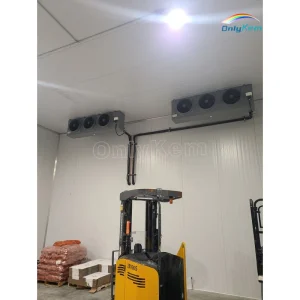
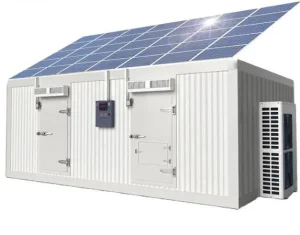
Complete turnkey systems connecting solar panels, MPPT controllers, and thermal energy systems for continuous, heavy-duty applications such as solar-powered blast freezers and cold storage units.
| Technology Platform | Cell Efficiency (%) | Primary OEM Customization Options | Target Operational Environment |
|---|---|---|---|
| N-Type TOPCon Glass/Glass | 24.5% - 25.5% | Dimensions, Frameless/Anodized Aluminum, Junction Box IP Rating | Commercial Roofs, Utility Solar Farms, High-Temp Zones |
| Flexible Thin-Film CIGS | 16.5% - 18.5% | Bending Radius (down to 180mm), Adhesive Layer, Waterproof Connectors | Curved Roofs, RVs, Marine Vessels, Membrane Roofing |
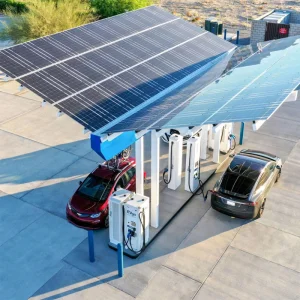
| Architectural BIPV Double Glass | 18.0% - 21.0% | Glass Thickness (4mm-12mm), Transparency Ratio, Color Coating | Building Facades, Parking Lot Canopies, Architectural Skylights |
| Custom LiFePO4 Pouch Battery | 98.5% Coulombic | Voltage (3.2V-48V), Capacity, BMS Protocol, Physical Dimensions | Microgrids, Cold Storage Backup, AI & Commercial Robotics |
China’s renewable energy manufacturing ecosystem offers unmatched competitive advantages in structural integration, vertical supply chain speed, and cost efficiency. Producing over 80% of the world's solar components, China's ecosystem allows OEM providers like Shanxi Sypower Solar to streamline production from raw silicon processing directly to fully integrated system assemblies.
From raw ingot pulling and wafer slicing to cell passivation, glass tempering, and automated module lamination—end-to-end control minimizes lead times and eliminates intermediate margin stacks.
Every OEM panel undergoes rigorous double-stage Electroluminescence (EL) testing to detect micro-cracks, alongside Automated Optical Inspection (AOI) and flash testing under Standard Test Conditions (STC).
Custom engineering tooling for bespoke structural frames, modified junction boxes, or tailored voltage outputs can be developed, tested, and certified in fraction of standard Western lead times.
Shanxi Sypower Solar Co., Ltd. is dedicated to addressing the global challenge of climate change. The company specializes in the research and development, manufacturing, and sales of renewable energy products and system integration. We also focus on the development, investment, mergers and acquisitions, construction, and operation of photovoltaic power stations, both with and without energy storage systems.
Our product range primarily includes Building-Integrated Photovoltaics (BIPV), solar carports, residential energy storage systems, and related auxiliary components. We have established a comprehensive professional service system that includes pre-sales, sales, and after-sales support. Additionally, we have created distribution channels in various countries and regions, allowing us to cater to a wide range of customers globally. Our team is capable of developing customized products for diverse application scenarios.
Shanxi Sypower Solar Co., Ltd. is committed to becoming a global leader in providing equipment, system integration, and professional services for renewable energy applications. Our mission aligns with the global carbon neutrality goal, and we strive to play a key role in this global movement.
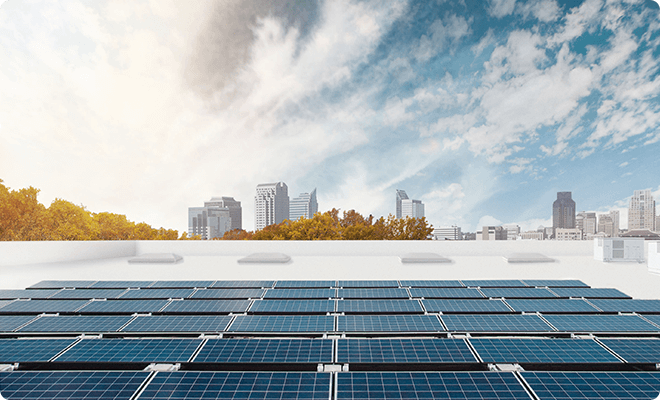
At Shanxi Sypower Solar, our vision is to create a world powered by sustainable, clean energy systems. We are dedicated to leading innovation in the renewable energy sector and contributing to a greener, more environmentally friendly planet. By harnessing natural resources like solar and wind power, we aim to develop cutting-edge technologies that meet the growing global demand for clean energy.
Our commitment extends beyond providing renewable energy solutions. We actively promote the widespread adoption of these technologies by collaborating with governments, businesses, and communities worldwide. Through partnerships and outreach initiatives, we aim to raise awareness about the benefits of transitioning to sustainable energy. We also prioritize social responsibility alongside environmental sustainability.
As a multinational renewable energy company, Shanxi Sypower Solar Co., Ltd. acknowledges its significant impact on society and the environment. We are committed to being a positive force in both areas.
First and foremost, we focus on promoting sustainable development through the production and use of clean energy. By adopting solar energy solutions, we reduce carbon emissions and help slow climate change. Our photovoltaic products provide renewable energy for residential, commercial, and industrial sectors, thereby decreasing reliance on fossil fuels.
In addition to our environmental efforts, corporate philanthropy is a cornerstone of our social responsibility initiatives. We are actively engaged in charitable activities aimed at improving the living conditions of vulnerable communities and providing support to areas affected by natural disasters. Whether through financial assistance or volunteer resources, we strive to make a tangible, positive difference in the lives of those in need.
As a responsible renewable energy company, Shanxi Sypower Solar Co., Ltd. is committed to minimizing our environmental impact through clean energy solutions. We are equally dedicated to contributing to local communities through educational projects, ethical business practices, and corporate philanthropy—without any political affiliation. Our goal is to make the world a better place by promoting sustainability and enhancing social well-being.
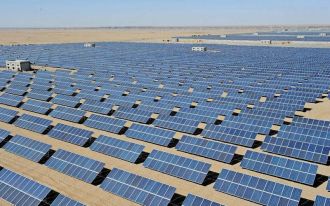
Solar electric systems must be meticulously engineered to suit micro-climates, structural constraints, and industry-specific operational requirements across the globe.
In remote agricultural hubs or marine processing ports, continuous electrical power is essential to avoid catastrophic food spoilage. Our off-grid solar systems power high-efficiency blast freezers and cold storage containers (e.g., Kendall systems) by pairing high-wattage mono panels with custom LiFePO4 battery banks. Thermal regulation is maintained uninterrupted, eliminating reliance on unstable diesel generators.
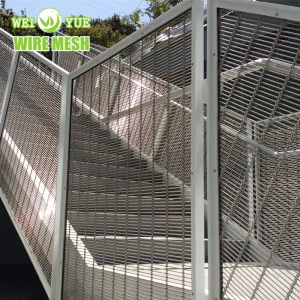
Commercial real estate developers in dense metropolitan regions leverage BIPV glass roofs, parking lot solar canopies, and wire mesh security fencing integrated with solar elements. This dual-purpose architecture maximizes spatial efficiency while providing revenue-generating green power directly to building HVAC and EV charging infrastructures.
Coastal and offshore solar installations encounter extreme corrosion from salt spray and humidity. Our specialized 120W and flexible CIGS solar panels utilize marine-grade waterproof encapsulants, ETFE surface coatings, and AISI316 stainless steel hardware, offering long-term reliability for yachts, marine buoys, and coastal structures.
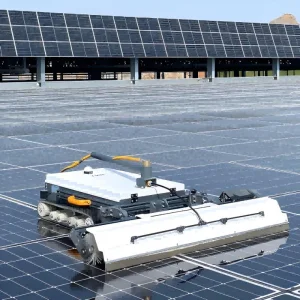
In arid regions prone to dust accumulation, dust build-up can reduce panel efficiency by over 30%. OEM deployment of integrated cleaning robots ensures automated, waterless maintenance of utility-scale solar arrays, optimizing energy yields without operational downtime.
When sourcing custom OEM solar electric systems, international enterprise buyers must evaluate suppliers using a structured risk mitigation roadmap:
The next decade will transform photovoltaic power generation through several key technological innovations:
Combining silicon base layers with perovskite top layers to break traditional theoretical efficiency limits, target commercial efficiencies exceed 30%.
Next-gen systems integrate AI edge computing to dynamically forecast solar yield based on weather patterns, seamlessly balancing energy storage charge/discharge cycles.
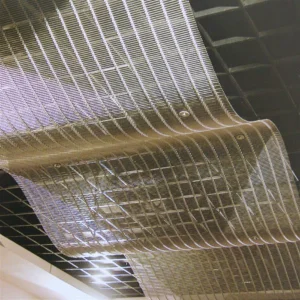
Advancements in ultra-light weight flexible substrates and architectural metallic mesh will allow virtually any exterior surface to capture ambient solar energy.
MOQ varies depending on customization depth. For standard panel dimensions with customized branding or custom junction boxes, MOQs start as low as 100 units. For fully custom glass dimensions, specialized BIPV light transmittance, or custom battery pouch tooling, MOQs typically range from 500 to 1,000 units depending on raw material setup costs.
We implement a multi-stage Quality Assurance (QA) framework adhering to ISO9001 standards. Every single solar module undergoes 100% Electroluminescence (EL) double-inspection (pre-lamination and post-lamination) to ensure zero micro-cracks. In addition, our thermal shock, PID resistance, and wet-leakage tests comply strictly with international IEC 61215 and IEC 61730 benchmarks.
Yes. For marine, offshore, or coastal installations, we provide customized marine-grade panels featuring salt-mist resistant EVA/POE encapsulation, anodized aluminum frames with specialized anti-corrosion coating, stainless steel AISI316 mounting hardware, and IP68-rated waterproof junction boxes.
Our custom OEM battery solutions cover cell dimensions (thickness, width, length), operating voltage profiles (3.2V LiFePO4 vs 3.7V NMC/Li-Polymer), continuous discharge rates (C-ratings), built-in Protection Circuit Modules (PCM/BMS), and custom wiring harness terminations.
Our BIPV glass can be customized in terms of glass thickness, color tints, structural load ratings, and thermal insulation values (double or triple glazing). They are engineered to replace conventional architectural curtain walls, skylights, and balcony railings without requiring modifications to standard building support sub-structures.
Standard prototype development takes approximately 10 to 15 business days following CAD approval. Mass production lead times typically range from 20 to 30 days depending on raw material procurement cycles and volume requirements.
Yes. Our complete product lineup carries necessary global safety and quality certifications, including CE, ROHS, IEC, UL 1703, and UN38.3 transport safety validation for lithium battery systems.
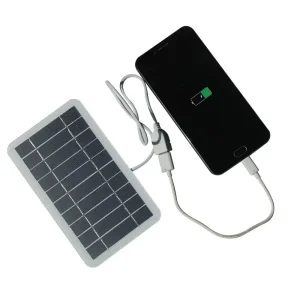
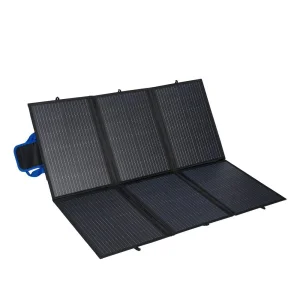
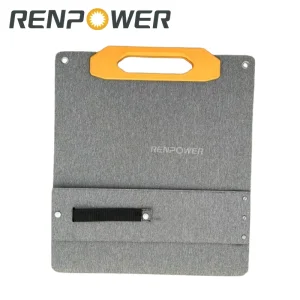
Browse our range of portable solar blankets, custom lithium pouch cells, lightweight flexible CIGS panels, and industrial solar cold chain systems.
 Sypower Solar