The convergence of food production and clean energy generation—commonly known as Agrivoltaics or Agricultural Solar Solutions—represents one of the most significant paradigm shifts in global land-use optimization. As global energy demands soar alongside rising temperatures and localized drought conditions, traditional farming operations face mounting challenges. Standard ground-mounted photovoltaic systems often compete directly with agricultural cultivation for land space. Agrivoltaics resolves this land-use conflict by integrating photovoltaic panels directly above crop fields, greenhouses, aquaculture facilities, and grazing lands.
From an environmental physiology perspective, agricultural solar structures create a beneficial microclimate. By strategically shading crops during the peak solar radiation window, these systems reduce soil water evaporation, lower ambient temperatures under the panels, and protect shade-tolerant crops from solar stress. Research demonstrates that certain crops, including leafy greens, root vegetables, and brassicas, can achieve equivalent or superior yields when grown under the partial shading of photovoltaic canopies. Additionally, the transpiration from the vegetation underneath cools the solar panels, enhancing their operational efficiency and maximizing energy generation.
Governments and corporate enterprises across Europe, North America, and the Asia-Pacific region are accelerating the deployment of agricultural solar installations. Countries like Germany, France, and Japan have introduced targeted feed-in tariffs and regulatory frameworks to incentivize agrivoltaic integration. In water-stressed agricultural hubs like California and the Murray-Darling Basin in Australia, dual-axis tracking agricultural solar structures are utilized to shield valuable viticulture and berry farms from heat stress while generating clean energy to run centralized high-pressure irrigation pumps. This integration decreases dependency on volatile regional grids and helps farming conglomerates meet their strict environmental, social, and governance (ESG) targets.
Shanxi Sypower Solar Co., Ltd. is dedicated to addressing the global challenge of climate change. The company specializes in the research and development, manufacturing, and sales of renewable energy products and system integration. We also focus on the development, investment, mergers and acquisitions, construction, and operation of photovoltaic power stations, both with and without energy storage systems.
Our product range primarily includes Building-Integrated Photovoltaics (BIPV), solar carports, residential energy storage systems, and related auxiliary components. We have established a comprehensive professional service system that includes pre-sales, sales, and after-sales support. Additionally, we have created distribution channels in various countries and regions, allowing us to cater to a wide range of customers globally. Our team is capable of developing customized products for diverse application scenarios.
Shanxi Sypower Solar Co., Ltd. is committed to becoming a global leader in providing equipment, system integration, and professional services for renewable energy applications. Our mission aligns with the global carbon neutrality goal, and we strive to play a key role in this global movement.
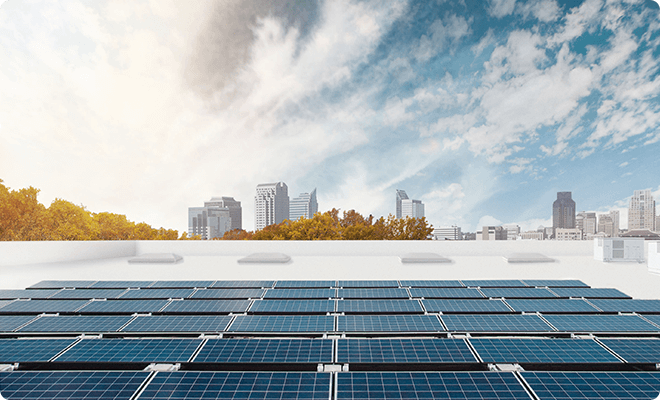
At Shanxi Sypower Solar, our vision is to create a world powered by sustainable, clean energy systems. We are dedicated to leading innovation in the renewable energy sector and contributing to a greener, more environmentally friendly planet. By harnessing natural resources like solar and wind power, we aim to develop cutting-edge technologies that meet the growing global demand for clean energy.
Our commitment extends beyond providing renewable energy solutions. We actively promote the widespread adoption of these technologies by collaborating with governments, businesses, and communities worldwide. Through partnerships and outreach initiatives, we aim to raise awareness about the benefits of transitioning to sustainable energy. We also prioritize social responsibility alongside environmental sustainability.
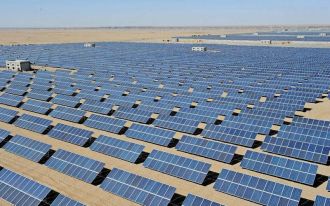
As a multinational renewable energy company, Shanxi Sypower Solar Co., Ltd. acknowledges its significant impact on society and the environment. We are committed to being a positive force in both areas.
First and foremost, we focus on promoting sustainable development through the production and use of clean energy. By adopting solar energy solutions, we reduce carbon emissions and help slow climate change. Our photovoltaic products provide renewable energy for residential, commercial, and industrial sectors, thereby decreasing reliance on fossil fuels.
In addition to our environmental efforts, corporate philanthropy is a cornerstone of our social responsibility initiatives. We are actively engaged in charitable activities aimed at improving the living conditions of vulnerable communities and providing support to areas affected by natural disasters. Whether through financial assistance or volunteer resources, we strive to make a tangible, positive difference in the lives of those in need.
As a responsible renewable energy company, Shanxi Sypower Solar Co., Ltd. is committed to minimizing our environmental impact through clean energy solutions. We are equally dedicated to contributing to local communities through educational projects, ethical business practices, and corporate philanthropy—without any political affiliation. Our goal is to make the world a better place by promoting sustainability and enhancing social well-being.
China's prominence as the hub of global agricultural solar solutions is driven by structural and technological factors. Chinese factories have transitioned from simple component assemblers to integrated research and production ecosystems. Shanxi Sypower Solar Co., Ltd. and other leading manufacturers capitalize on this vertical integration to offer highly engineered systems that balance agricultural demands with energy generation.
Key manufacturing advantages include:
Direct sourcing of high-purity polysilicon and wafer slicing reduces material transport costs and maintains high cell efficiency.
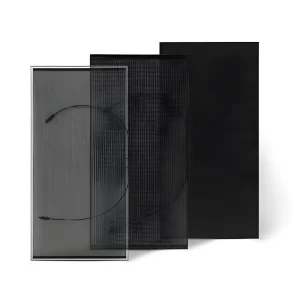
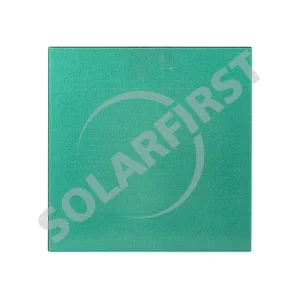
Proprietary factories produce CdTe (Cadmium Telluride) thin-film and BIPV glass with adjustable light transmission levels (10% to 40%) optimized for photosynthesis.
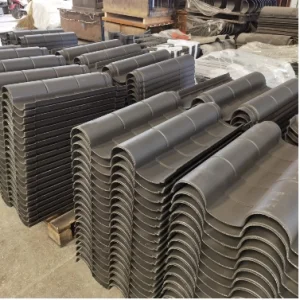
Due to high humidity and ammonia levels in agricultural environments, structural frames undergo specialized hot-dip galvanizing and polymer coating processes.
Furthermore, Chinese testing facilities enforce rigorous compliance checks under realistic field loads. Static load calculations, simulated wind tunnel dynamics, and hail-impact resilience tests are standardized protocol across manufacturers. This ensures the structural integrity of large spans, enabling the passage of heavy agricultural machinery under the photovoltaic mounting frames.
Agricultural solar solutions must be customized to suit local climatic conditions, crop types, and mechanical farming operations. Below are four primary application scenarios implemented globally:
| Scenario | Technical Configuration | Primary Benefits | Applicable PV Technology |
|---|---|---|---|
| BIPV Solar Greenhouses | Semi-transparent BIPV CdTe glass roofs with 20% light transmission. | Generates power for climate control and irrigation while allowing PAR (Photosynthetically Active Radiation) to pass through. | Adjustable Color CdTe Solar Glass / BIPV Glass |
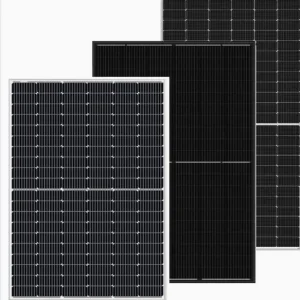
| Livestock & Dairy Shading | Elevated mono-crystalline modules (3m+ clearance) over open pastures. | Protects dairy cows from thermal stress, increasing milk production, and powers milking machines. | 780W High Efficiency Mono Modules / 450W Transparent Panels |
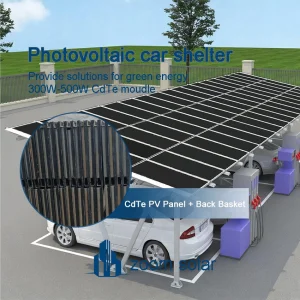
| Farm Solar Carports | Waterproof structural carports built for heavy machinery storage. | Protects vehicles and implements from weathering; charges agricultural utility vehicles (UTVs) via battery banks. | Customized Laminated Glass / CdTe Car Shelters |
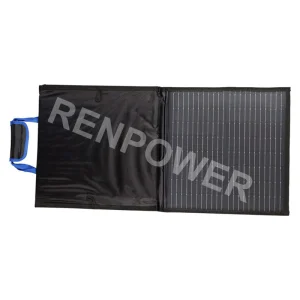
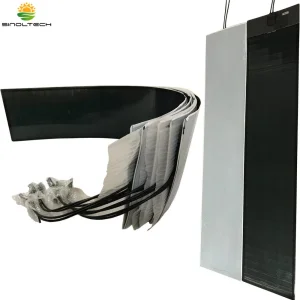
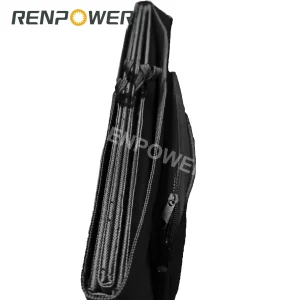
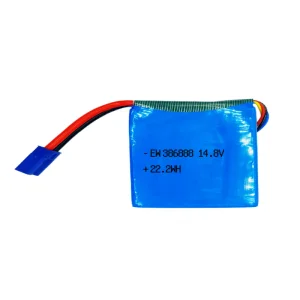
| Off-Grid Water Pumping | Mobile folding solar blankets integrated with lithium storage packs. | Powers remote water pumps, drip irrigation, and sensor networks without extending the main grid. | 120W Portable Solar Blankets / 14.8V Li-Polymer Packs |
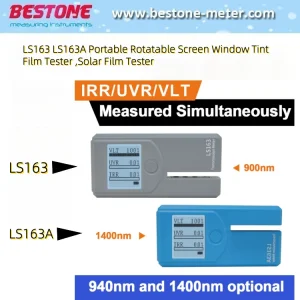
The central design challenge in Agrivoltaics is light allocation. Plants do not absorb all wavelengths of the solar spectrum; they primarily utilize Photosynthetically Active Radiation (PAR, 400-700nm) for photosynthesis. In contrast, photovoltaic panels absorb a broader spectrum of solar energy. By utilizing CdTe (Cadmium Telluride) thin-film glass, agricultural greenhouses can selectively filter out infrared heat waves—reducing internal greenhouse temperatures and cooling demand—while allowing necessary PAR to reach the plants. This selective filtration enables agricultural solar projects to achieve high dual-utility yields.
As the agrivoltaics market matures, manufacturers are implementing several key technological upgrades to improve performance and durability in agricultural settings:
Flexible thin-film CIGS (Copper Indium Gallium Selenide) solar cells are increasingly integrated into lightweight polytunnels and tensioned membrane farm structures. Their light weight eliminates the need for heavy steel structural reinforcements.
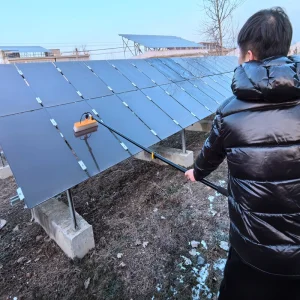
Dust, pollen, and chemical residues from agricultural machinery settle on solar modules, reducing output by up to 25%. Specialized cleaning kits, including carbon fiber water-fed brushes, enable rapid maintenance.
Farms are adopting off-grid hybrid power platforms. High-density lithium-polymer battery packs store surplus solar power generated during the day to run ventilation and heaters overnight.
Procuring agrivoltaic systems from China requires a structured evaluation framework that balances civil engineering requirements, agricultural demands, and financial performance metrics. Global procurement managers and engineering, procurement, and construction (EPC) contractors should prioritize the following parameters:
By partnering with specialized manufacturers like Shanxi Sypower Solar Co., Ltd., buyers can access customized CAD designs, structural engineering reports, and tailored PV layouts. This ensures the solar installation meets both local building codes and agricultural requirements.
It depends on the crop. Shade-tolerant crops—such as lettuce, spinach, potatoes, and pasture grasses—often show no reduction in yield, and can even see yield increases due to reduced water stress. Conversely, sun-loving crops like corn and wheat may experience lower yields under standard solar configurations, requiring wider row spacing or highly transparent BIPV glass (30%-40% transmittance) to balance energy production and plant growth.
Cadmium Telluride (CdTe) thin-film panels can be manufactured as semi-transparent glass sheets, allowing specific wavelengths of light to pass through. This lets photosynthetically active radiation (PAR) reach the plants while blocking hot infrared wavelengths. Traditional silicon panels are opaque, blocking all light. As a result, silicon panels are typically arranged in checkerboard patterns or on roof sections where direct light is less critical.
For projects involving tractor-cultivated land, vertical clearance must be at least 2.5 to 4.5 meters, with row spacing of 6 to 12 meters to allow farm machinery to pass safely. For livestock grazing, lower clearance heights (1.5 to 2.5 meters) are acceptable, though structural supports must be reinforced to withstand contact from livestock.
Farming environments generate significant dust, pollen, and debris. We recommend using specialized cleaning kits with water-fed telescopic brushes (up to 6 meters in length) to clean the panels without stepping on the glass. Regular cleaning (once or twice a month during dry seasons) is necessary to prevent dust buildup from reducing energy yields.
Most reputable Chinese factories provide a 10-year product warranty on structural components, materials, and workmanship, alongside a 25-year linear power output warranty. Linear warranties typically guarantee that the modules will produce at least 80% of their rated output at year 25.
 Sypower Solar