Understanding fire safety ratings for solar curtain walls is crucial for architects, builders, and property owners. These structures often blend aesthetics with functionality. However, their fire resistance performance must meet established standards to ensure safety. According to the National Fire Protection Association (NFPA), over 3,300 civilian deaths occur annually due to fire-related incidents in the U.S. alone. Ensuring that solar curtain walls adhere to relevant fire safety ratings can significantly reduce risks.
What are the fire safety ratings for solar curtain walls? This is a question that many in the construction industry must address. Different materials and assembly methods affect their fire performance. A report from the International Building Code (IBC) highlights the importance of compliance with fire safety regulations in building designs. Proper ratings can enhance a building’s resilience and potentially lower insurance costs.
While some manufacturers claim high fire safety ratings, the reality may vary in practice. Issues can arise from inadequate installation or subpar materials. Therefore, ongoing education and rigorous testing are essential in this evolving field. Building stakeholders need to engage with certified professionals to navigate complexities effectively. Ultimately, a better understanding of these ratings leads to safer buildings and greater community trust.
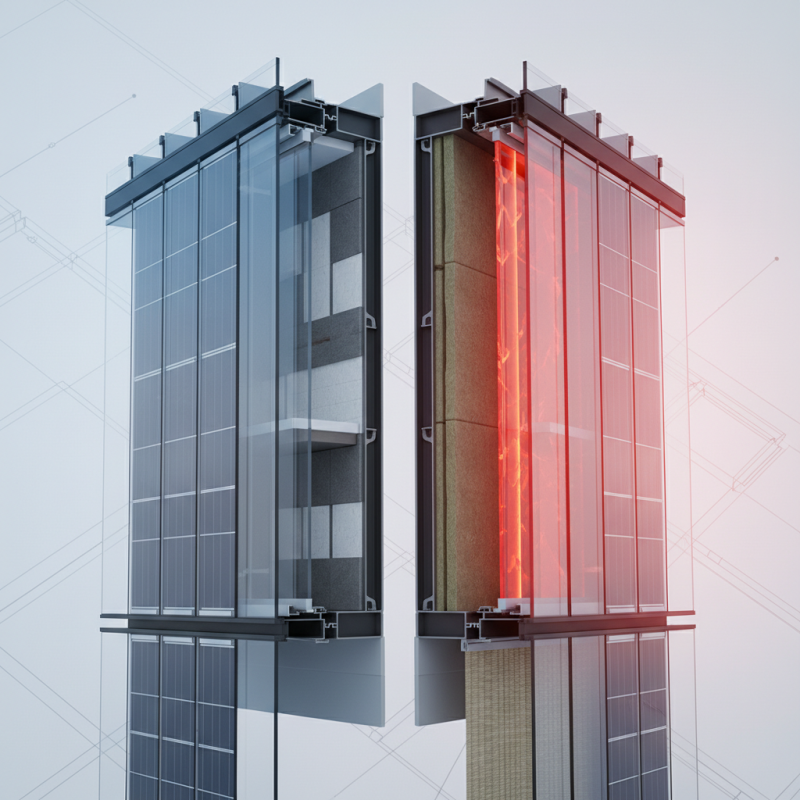
Understanding fire safety ratings is crucial when evaluating solar curtain walls. Fire safety ratings indicate how materials and structures perform during a fire. These ratings are determined through standardized tests that assess flame spread, smoke development, and structural integrity. A wall with a high rating can better withstand fire and prevent its spread. This is essential for buildings with large glass facades.
Different materials yield various fire ratings. For instance, some glass types are designed to resist heat. They can withstand exposure longer than standard materials. It’s important to note that not all solar curtain walls offer the same protection. Choosing the right configuration is vital for safety.
Buyers should consult fire safety experts to understand the implications of fire ratings in their projects. However, evaluating these ratings can be complex. Not all manufacturers provide clear information on their products' performance. Misunderstanding or overlooking these details can lead to dangerous consequences. Building owners should prioritize clarity and transparency when selecting materials. Always question the information provided and seek third-party validation. It's a step towards ensuring safety in modern architecture.
: Fire resistance ratings indicate how long a material can withstand fire. Ratings are usually measured in hours.
Materials are classified into categories such as Class A, B, and C. Class A offers the best fire resistance.
Knowing fire ratings helps prevent safety hazards. Misinterpretation can lead to severe consequences.
Factors include material composition, installation methods, and environmental conditions. Each affects how materials perform in fires.
Improper installation can create vulnerabilities. Gaps must be sealed to minimize potential fire risks.
Always consult fire safety reports. Ensure materials meet local codes and testing methods are reliable.
Not all materials perform the same in real scenarios. Relying solely on testing can be misleading.
Materials with better thermal performance help contain flames and smoke. Poor ratings can increase fire risks.
Regular inspections are essential. Integrity can weaken over time, so be proactive about potential risks.
Continuous education is vital. Look into trusted organizations and guidelines for up-to-date fire safety information.
Understanding fire safety ratings for solar curtain walls is crucial for ensuring building safety and compliance with fire safety regulations. This article provides an overview of fire safety ratings, starting with key standards that govern the fire performance of building materials, particularly solar curtain walls. It discusses how to interpret fire resistance ratings and classifications, highlighting the significance of these ratings in the design and construction of solar curtain walls.
Additionally, the article examines various factors that influence fire safety ratings, such as material composition and environmental conditions. Understanding these ratings empowers architects and builders to make informed decisions, ultimately enhancing the overall safety of structures that feature solar curtain walls. So, what are the fire safety ratings for solar curtain walls? They are classifications that signify a wall's ability to resist fire penetration and protect the interior spaces, which plays a pivotal role in determining the wall’s effectiveness and safety during a fire event.

 Sypower Solar