Why Are Solar Curtain Walls Trending in Modern Architecture?

Time:2026-07-24 Author:Oliver
0%

Solar curtain walls are gaining significant traction in modern architecture. The trend reflects a growing awareness of sustainability and energy efficiency in building design. Renowned architect Dr. Emma Liu highlights this shift by stating, “The integration of solar curtain walls not only enhances aesthetics but also promotes resource efficiency.”

The question arises: "Why are solar curtain walls becoming popular in modern architecture?" These innovative structures maximize natural light. They harness solar energy to reduce the demand for traditional heating and cooling. Designers appreciate their visual appeal and functional benefits. Yet, some architects express concerns about long-term durability and maintenance challenges.

In a world prioritizing environmental responsibility, solar curtain walls seem to represent a path forward. However, not all projects implement them flawlessly. The effectiveness can vary based on the location and the technology used. It's crucial to balance aesthetic desires with practical realities. Understanding the full impact of solar curtain walls remains a work in progress.
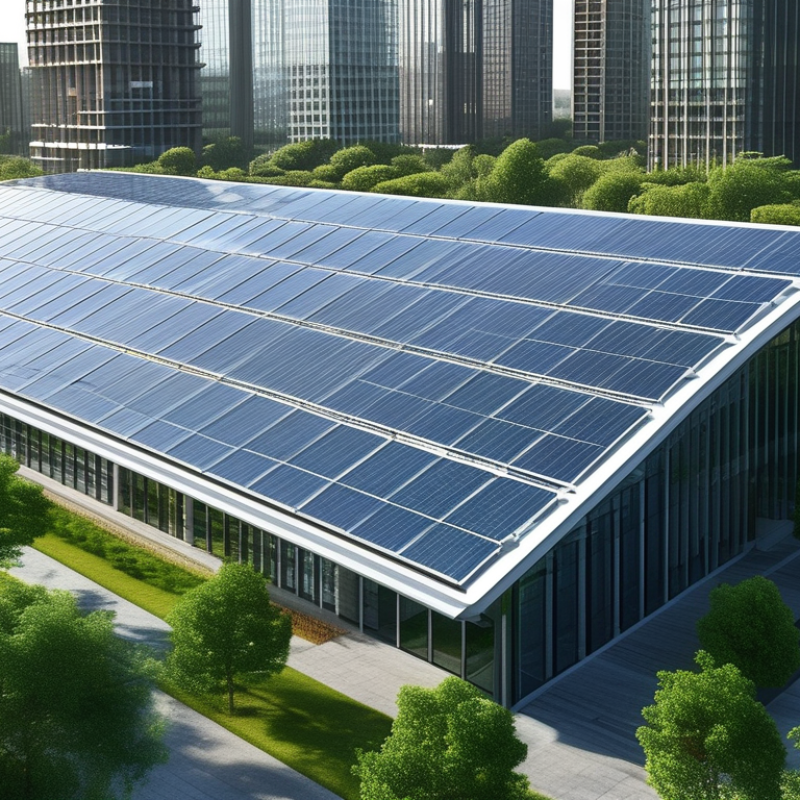
Why Are Solar Curtain Walls Trending in Modern Architecture?

The Rise of Solar Curtain Walls in Contemporary Architectural Design

In contemporary architectural design, solar curtain walls are gaining prominence. These innovative structures utilize large glass panels that integrate photovoltaic cells. They harness sunlight, converting it into energy while providing natural light for interiors. This dual functionality makes them attractive for both aesthetic and environmental reasons.

The rise of solar curtain walls correlates with growing awareness of sustainability. Architects and designers emphasize eco-friendly solutions. Buildings equipped with these walls minimize energy consumption and reduce carbon footprints. However, the installation process can be complex and costly. This complexity requires careful planning and skilled labor. Some projects might face challenges with local building codes or weather conditions.

Tips:

  1. Consider the orientation of your building. This impacts sunlight exposure and energy efficiency.
  2. Evaluate your local climate. Different environments pose unique challenges for solar curtain walls.
  3. Consult experts during planning. Their insights can guide material selection and techniques.

Key Benefits of Solar Curtain Walls for Energy Efficiency and Sustainability

Solar curtain walls are increasingly popular in modern architecture. These systems not only enhance aesthetics but also offer significant energy efficiency and sustainability benefits. They utilize large glass panels that allow natural light to penetrate buildings while reducing the need for artificial lighting. This helps lower energy consumption and costs.

The integration of solar curtain walls can significantly decrease heat gain during warm months. They reflect solar radiation, which keeps interiors cooler. This feature reduces reliance on air conditioning systems, leading to lower energy bills. The use of sustainable materials in their construction adds to their environmental benefits, making them a smart choice for eco-conscious architecture.

Tip: Incorporating shading devices can further optimize energy efficiency. Consider using overhangs or louvers that work in tandem with the curtain wall. This can enhance comfort levels inside. Regular maintenance of these systems ensures they perform at their best. In the long run, investing in solar curtain walls can yield substantial benefits for both owners and the planet.

Innovations and Technologies Driving the Popularity of Solar Curtain Walls

Solar curtain walls are gaining popularity in modern architecture for several reasons. One key innovation is the integration of advanced materials. These materials offer improved thermal performance and energy efficiency. Architects appreciate how they can reduce cooling and heating costs significantly. This innovation aligns with global sustainability goals.

Technology plays a vital role, too. Smart glass systems allow for dynamic control of light and heat. These systems adjust automatically to environmental changes. This adaptability helps create comfortable indoor spaces while reducing reliance on artificial climate control.

Tip: When designing with solar curtain walls, consider orientation. Positioning matters significantly. A well-placed curtain wall can maximize sunlight while minimizing glare.

Another interesting trend is the aesthetic versatility of these walls. They can complement a variety of architectural styles. However, the integration process can pose challenges. Ensuring structural integrity while maintaining design appeal requires careful planning and expertise.

Tip: Always consult with experienced professionals during the design phase. This collaboration helps to avoid common pitfalls and enhances project outcomes. Balancing beauty with performance is crucial for success in modern architecture.

Case Studies: Notable Buildings Featuring Solar Curtain Walls

Solar curtain walls are gaining attention in modern architecture for their unique blend of functionality and aesthetics. Notable buildings showcase the potential of these systems. For instance, a high-rise office in an urban center utilizes solar curtain walls to maximize natural light. This design not only enhances the interior environment but also reduces energy consumption. The façade consists of glass panels that reflect and absorb sunlight, creating a balanced thermal environment.

Another example can be seen in a cultural institution known for its innovative design. The solar curtain wall here is not just a protective barrier; it serves as a canvas for artistic expression. The intricate patterns formed by the glazing allow light to filter through in delightful ways. However, challenges remain. The initial cost of installation can be prohibitive. Maintenance of these sophisticated systems requires ongoing attention to ensure optimal performance.

A residential project nearby employs solar curtain walls to integrate indoor and outdoor spaces. While the views are spectacular, the reflective surface can sometimes lead to glare issues. Residents have expressed concerns over this aspect, prompting further exploration of materials and design techniques. Despite these hurdles, the benefits of solar curtain walls are driving their popularity in contemporary architecture.

Trends in Solar Curtain Walls in Modern Architecture

Future Trends: The Evolving Role of Solar Curtain Walls in Architecture

Solar curtain walls are gaining traction in modern architecture for several compelling reasons. As sustainability becomes a priority, these systems show immense potential. They serve as an energy-efficient solution, harnessing solar energy to minimize reliance on conventional power sources. According to a recent report by the International Energy Agency, integrating solar technologies into building facades can reduce energy consumption by up to 30%. This is a substantial improvement, especially in urban environments.

The evolving role of solar curtain walls also reflects shifting architectural trends. As cities grow, maximizing space and efficiency is crucial. Solar curtain walls not only provide aesthetic appeal but also contribute to energy generation. They can seamlessly blend with traditional and innovative designs. In fact, research from the U.S. Department of Energy highlights that buildings using integrated solar technologies can increase property values by approximately 10-15%. However, challenges remain. Designers must navigate issues related to installation costs, maintenance, and energy storage.

Evolving design standards require architects to understand the limitations and capabilities of these systems. Consistent testing and innovation are necessary to improve efficiency. The current industry landscape lacks universal standards, making it difficult for professionals to implement solutions effectively. Balancing aesthetics and functionality necessitates constant reflection on emerging technologies and their implications for the architectural community.

FAQS

: What are solar curtain walls?

: Solar curtain walls are systems using large glass panels. They allow natural light into buildings while promoting energy efficiency.

How do solar curtain walls contribute to energy savings?

They reduce the need for artificial lighting and decrease heat gain. This leads to lower energy consumption and costs.

Are there additional features that can enhance solar curtain walls?

Yes, incorporating shading devices like overhangs or louvers can optimize energy efficiency and improve indoor comfort.

What challenges do solar curtain walls present?

Initial installation costs can be high, and they require regular maintenance to ensure optimal performance over time.

How do solar curtain walls affect building aesthetics?

They blend functionality with visual appeal, allowing designers to create eye-catching structures while promoting energy efficiency.

Can solar curtain walls impact property values?

Yes, buildings with integrated solar technologies can see property values increase by 10-15%, according to some reports.

What glare issues exist with solar curtain walls?

Reflective surfaces can lead to glare, potentially affecting residents and prompting exploration of new materials and designs.

How do evolving design standards affect solar curtain walls?

Architects must understand the systems' limitations and capabilities, requiring ongoing testing and innovation for better efficiency.

What sustainability benefits do solar curtain walls offer?

They utilize sustainable materials and minimize reliance on conventional power sources, enhancing overall environmental performance.

What future trends may affect solar curtain walls in architecture?

As urbanization increases, the demand for efficient and aesthetically pleasing designs will likely drive further adoption of these systems.

Conclusion

Solar curtain walls are gaining traction in modern architecture due to their innovative design and numerous benefits. Why are solar curtain walls becoming popular in modern architecture? They enhance energy efficiency by utilizing natural sunlight while reducing reliance on artificial lighting and climate control systems. This sustainable approach not only lowers energy costs but also contributes to environmental preservation.

Recent advancements in technology have further propelled the use of solar curtain walls, making them more accessible and functional in various building designs. Notable structures have successfully implemented these systems, demonstrating their aesthetic appeal and effectiveness. As architecture continues to evolve, solar curtain walls are expected to play a pivotal role in shaping sustainable urban environments, reflecting a commitment to both style and ecological responsibility.

Oliver

Oliver

Oliver is a seasoned marketing professional with a wealth of expertise in driving brand awareness and engagement. With a deep understanding of our company's product offerings, he consistently delivers high-quality content that enriches our professional blog. His insights not only shed light on......