As the world shifts towards sustainable building practices, the question arises: How to transition from traditional cladding to solar curtain walls? Experts like Dr. Emily Carter, a leader in sustainable architecture, emphasize the importance of this shift. She states, "Transitioning to solar curtain walls is not just an upgrade; it's a necessity for future-ready buildings."
Traditional cladding materials have dominated the industry for decades. However, with increasing energy efficiency demands, many architects face the challenge of integrating solar technology. The transition to solar curtain walls offers benefits, yet it requires careful planning and execution. Building owners must consider factors such as aesthetics, cost, and energy efficiency.
Managing this change is complex. Not all existing structures can easily accommodate solar technologies. There are financial implications too. Investing in solar curtain walls can seem daunting. However, the long-term advantages often outweigh the initial expenses. Transitioning smoothly will involve collaboration among architects, builders, and engineers. Balancing these elements will ultimately shape the future of sustainable building design.
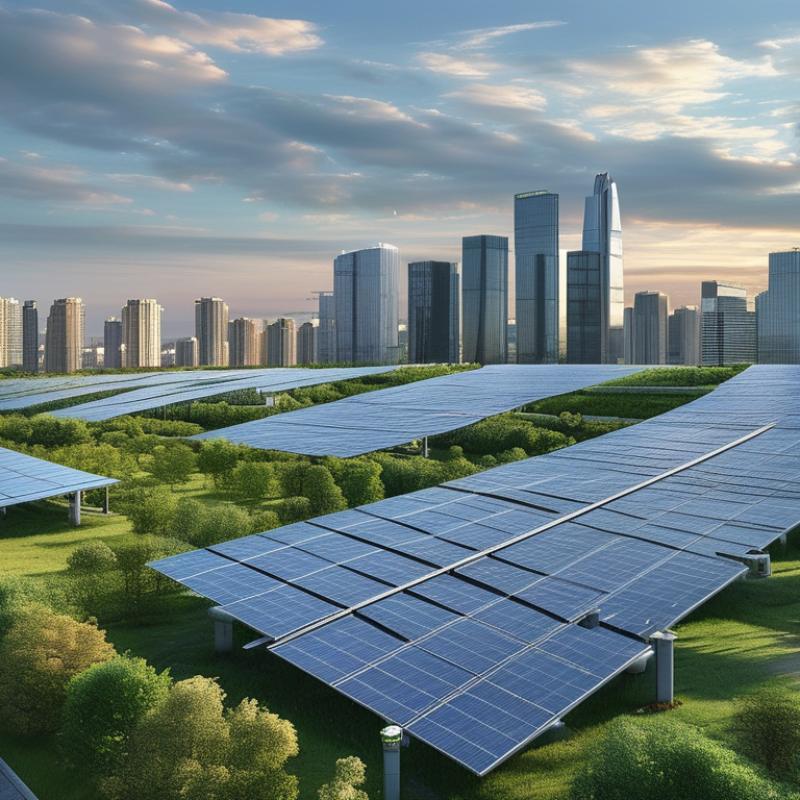
Traditional cladding systems have been the cornerstone of building design for decades. They often encompass materials like brick, wood, or metal panels. While these systems offer aesthetic appeal and protection, they come with limitations. For instance, traditional cladding does not contribute to energy efficiency. Most cladding materials are reactive to weather changes and can deteriorate over time.
Many traditional systems also lack insulation properties. This can lead to high energy bills, particularly in extreme climates. Moreover, these materials require regular maintenance. This adds costs over time, as repairs and replacements become necessary. Algae, mold, and rust can find their way into traditional cladding, creating further issues. The growing awareness of these drawbacks adds pressure to find innovative alternatives.
Transitioning from traditional cladding to solar curtain walls presents a promising solution. Solar curtain walls integrate the benefits of energy generation with façade design. However, this transition is not straightforward. Some builders may find solar options to be too expensive initially. Further, integrating new systems requires training and changes in building practices. Careful consideration of site conditions is essential for success.
Solar curtain walls represent a significant innovation in building design. These systems combine aesthetic appeal with energy efficiency. They harness solar energy while providing natural light to indoor spaces. This reduces reliance on artificial lighting, which is crucial in modern architecture. Moreover, these walls can improve thermal insulation. This helps maintain comfortable indoor temperatures year-round, ultimately leading to lower energy bills.
Using solar curtain walls elevates the design of a building. Their sleek, modern look can attract tenants and enhance property value. However, making the switch requires careful consideration. Installation can be complex, and not all structures are suitable for these systems. Understanding local climate conditions is essential. Solar curtain walls may not perform optimally in heavily shaded areas. Engaging with professionals who specialize in these systems can help address concerns. They can provide insights into the specific benefits for each project, ensuring a successful transition from traditional cladding.
| Dimension | Traditional Cladding | Solar Curtain Walls |
|---|---|---|
| Energy Efficiency | Low insulation performance, increased energy costs | High energy efficiency, potential for energy generation |
| Aesthetic Appeal | Limited design flexibility | Modern design options, enhancing building aesthetics |
| Installation Time | Long installation time | Streamlined installation process |
| Maintenance | Regular upkeep required | Low maintenance, self-cleaning options available |
| Cost | Lower initial cost, higher long-term energy costs | Higher initial investment, long-term savings through energy production |
| Environmental Impact | Higher carbon footprint | Reduces carbon footprint, sustainable energy source |
Transitioning from traditional cladding to solar curtain walls requires careful assessment of building compatibility. Begin by evaluating the structural integrity of your building. Determine if it can support the added weight of solar panels. Conduct a professional structural analysis. This step is critical. Ignoring this can lead to costly issues.
Next, consider the orientation of your building. Analyze how sunlight interacts with your existing design. Some areas may receive ample sunlight while others remain shaded. This affects energy generation potential. Understand shading patterns from nearby structures and trees. It’s not always straightforward.
Assess the local climate too. Different regions have unique weather patterns. This can influence the effectiveness of solar curtain walls. Rain, snow, and extreme heat impact performance. Ensure the materials you choose withstand local conditions. This may not be easy, but it's essential for long-term success. Each building presents unique challenges. Taking the time to reflect on each step is vital for a successful transition.
Transitioning from traditional cladding to solar curtain walls requires careful planning. Begin by assessing your existing building structure. Understand the load-bearing capacity before considering solar panels. Conducting a thorough analysis helps in identifying potential challenges. Traditional cladding may not provide the necessary support for added weight.
Next, consider the integration of solar technology into the design. It’s essential to evaluate the angle and placement of the curtain walls. This affects energy efficiency and light penetration. Collaborate with experienced engineers to ensure proper installation. Communication with your team is vital to address issues as they arise.
Finally, reflect on the aesthetics and functionality of your space. Solar curtain walls can enhance visual appeal. Yet, they may require ongoing maintenance. Consider whether your design choices will hold up over time. Balancing energy efficiency with practical design elements can lead to a successful transition. Remember, each step taken must be informed by feedback and adjustment to create the best outcome.
Transitioning to solar curtain walls presents unique challenges and opportunities. Understanding their maintenance is crucial for optimizing efficiency. Solar curtain walls not only harness sunlight but also enhance building aesthetics. Regular inspections are essential. Look for cracks or leaks that can undermine performance.
Tips for maintaining solar curtain walls include cleaning panels regularly to remove dirt and debris. This ensures maximum sunlight absorption. Also, check the seals and joints. Ineffective sealing can lead to energy loss. It's important to monitor the performance of solar panels and investigate any drop in energy output.
While solar curtain walls provide numerous benefits, they also require thoughtful consideration. Some buildings may not be designed for optimal solar gain. Reflect on how the facade interacts with the sun throughout the year. Adapting your approach can significantly impact energy efficiency. Stay informed on best practices for installation and upkeep. Consistent maintenance will ultimately lead to improved long-term performance.
: Solar curtain walls combine energy efficiency with aesthetic appeal. They harness solar energy while providing natural light indoors.
They reduce reliance on artificial lighting and improve thermal insulation. This can lead to lower energy bills year-round.
Evaluate structural integrity, sunlight orientation, and local climate conditions. Each factor influences performance and compatibility.
Not all structures are suitable. Some buildings may not support the added weight or optimized solar gain.
Regular inspections are crucial. Check for cracks, leaks, and performance drops to optimize efficiency.
Clean panels regularly and check seals and joints. Dirt and ineffective sealing can lead to energy loss.
Local weather patterns influence performance. Rain, snow, or extreme heat can impact energy generation efficiency.
Yes, their modern design can attract tenants and increase property value. However, proper assessment is necessary.
Installation complexity and building compatibility are common challenges. Reflecting on these aspects can prevent costly issues.
Experts can provide insights specific to your project. They ensure a successful transition from traditional cladding to solar solutions.
The article "How to Transition from Traditional Cladding to Solar Curtain Walls?" explores the evolving landscape of building facade systems, emphasizing the limitations of traditional cladding and the advantages of integrating solar curtain walls. It begins by detailing the characteristics and shortcomings of conventional cladding systems, which often lack energy efficiency and sustainability. The discussion then shifts to the benefits of solar curtain walls, including their ability to harness solar energy and contribute to a building's overall efficiency.
To effectively transition from traditional cladding to solar curtain walls, the article outlines essential steps for assessing a building’s compatibility with this modern solution. It delves into various transitioning techniques that facilitate the upgrade, ensuring a seamless installation process. Lastly, the article highlights the importance of maintaining and optimizing solar curtain wall performance to maximize energy generation and efficiency, providing a comprehensive guide for those interested in this innovative architectural shift.
Sypower Solar