Top Tips to Prevent Hotspots on Thin-Film Solar Modules?

Time:2026-06-10 Author:Isabella
0%

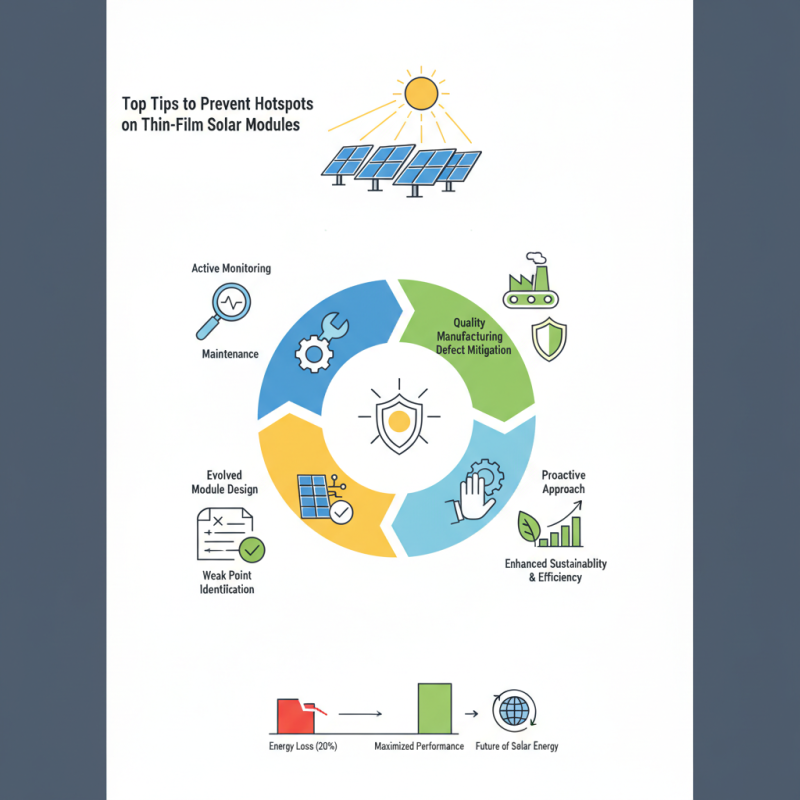
Hotspots in thin-film solar modules can significantly hinder their efficiency and lifespan. Industry experts agree that preventing such occurrences is crucial. According to a recent report by the International Energy Agency (IEA), nearly 20% of solar energy lost relates to issues like hotspots. Understanding "How to prevent hotspots on thin-film solar modules?" is essential for maximizing performance.

Dr. Emily Carter, a leading researcher in photovoltaic technologies, states, "Active monitoring and maintenance can reduce the risk of hotspots effectively." This highlights the importance of regular assessments of module performance. Ensuring quality in the manufacturing process can help mitigate potential hotspot development.

Even with advancements, imperfections remain. Module designs must continuously evolve to reduce risks. Identifying weak points in production and installation can prevent potential failures. Thus, a proactive approach is vital for improving the reliability of solar modules. By focusing on preventive measures, the industry can enhance sustainability and usher in a more efficient future.
Top Tips to Prevent Hotspots on Thin-Film Solar Modules?

Understanding Hotspots in Thin-Film Solar Modules

Hotspots in thin-film solar modules can cause damage and decrease efficiency. These localized areas of excessive heat occur due to various factors, including manufacturing defects and shading. Understanding hotspots is critical for maintaining the long-term performance of solar installations.

One tip to prevent hotspots is to ensure proper installation. Modules should be aligned correctly to avoid shading from nearby objects. Regular maintenance is essential to check for debris or dirt accumulation. Keeping the surface clean maximizes light absorption.

Monitoring the performance of your solar system is another key aspect. Use thermal imaging to identify temperature anomalies. If a hotspot is detected, address the issue immediately. Ignoring it may lead to more significant problems in the future. Consistent performance evaluation helps identify patterns and potential risks, informing timely interventions to protect your investment.

Top Tips to Prevent Hotspots on Thin-Film Solar Modules

Tip Description Expected Outcome
Regular Maintenance Perform regular inspections and cleanings to remove debris and dirt from panels. Improved efficiency and reduced risk of hotspots.
Optimal Installation Angle Ensure solar modules are installed at an angle that optimizes sunlight exposure. Maximized energy generation and less shading.
Temperature Monitoring Use temperature sensors to monitor module temperatures frequently. Early detection of hotspots and potential issues.
Use High-Quality Materials Invest in high-performance materials that are resistant to degradation. Longer lifespan and reduced risk of malfunction.
Thermal Management Implement systems for effective heat dissipation in modules. Reduced temperature variance and minimized hotspot risk.
Regular Performance Analytics Conduct regular performance reviews and analytics on solar output. Identifying inefficiencies and addressing potential issues early.

Causes and Mechanisms Leading to Hotspot Formation

Hotspots in thin-film solar modules can significantly impact efficiency. These issues arise from localized overheating due to defects or shading. A study by the National Renewable Energy Laboratory found that even minor defects can reduce performance by over 10%. Such defects often occur during manufacturing or installation.

Common causes of hotspot formation include material inconsistencies and dust accumulation. According to a report from the International Energy Agency, 80% of energy losses in solar systems are due to insufficient cleaning and maintenance. This emphasizes the importance of regular inspection and maintenance practices. Schottky barriers and potential-induced degradation are complex phenomena that contribute to these problems, requiring further research and preventive measures.

Solar module advancements demand continual innovation. For instance, integrating improved thermal management systems could mitigate some risks. An analysis indicates that proactive measures can reduce hotspots by at least 50%. However, manufacturers must address the gaps in standards for quality assurance. The industry still lacks uniform guidelines, leading to variability in module performance. This situation calls for ongoing dialogue among stakeholders to enhance reliability in solar technologies.

Preventive Measures for Hotspot Development in Solar Modules

Preventing hotspots in thin-film solar modules is essential for maintaining efficiency and longevity. Hotspots can develop due to several factors, including improper installation and shading. Ensuring proper alignment during installation can minimize these issues. Regular inspections help identify potential problems early. Use infrared cameras to locate abnormal temperature variations within solar modules.

Adequate ventilation is another preventive measure. Hot air trapped under modules can elevate temperatures and create hotspots. Ensure modules are installed with sufficient space between them for airflow. Cleaning panels often is crucial as dirt accumulation can block sun exposure, leading to uneven heating.

Inconsistent manufacturing processes can also contribute to hotspot formation. Quality control should be a priority. Solar module manufacturers need to follow standardized testing protocols. Regular training for installation teams can help mitigate human errors that lead to hotspots. Even small mistakes during setup can have significant impacts. Awareness and proactive measures are key to achieving optimal performance in solar energy systems.

Monitoring and Maintenance Techniques for Solar Modules

Monitoring and maintenance are crucial for maximizing the performance of thin-film solar modules. Regular inspections can identify potential issues before they escalate. Research from the National Renewable Energy Laboratory highlights that over 30% of solar module failures stem from inadequate monitoring practices. Techniques such as thermal imaging can reveal hotspots that might indicate problems like shading or defects. This proactive approach ensures efficient energy production.

Data indicates that frequent cleaning of solar panels can enhance their efficiency by up to 25%. Dust accumulation and environmental factors significantly reduce the amount of sunlight reaching the panels. However, it's important to use safe cleaning techniques to avoid scratching the surface. Automated cleaning systems are emerging as reliable options. They minimize labor costs while ensuring consistent maintenance.

Moreover, tracking performance metrics over time helps in identifying unusual patterns. Studies show that modules not continuously monitored can lose up to 15% of potential energy output. Establishing a maintenance schedule based on these insights ensures long-term reliability. However, the initial investment in monitoring technology can be a barrier for some. Finding the right balance between cost and performance is essential for sustainable solar energy solutions.

Selecting Quality Materials to Mitigate Hotspots in Thin-Film Systems

Selecting quality materials is crucial in preventing hotspots in thin-film solar modules. Hotspots occur when parts of the module heat up due to irregularities in the material. High-quality materials can significantly reduce this risk. Look for materials with good thermal conductivity and uniform properties. These factors help distribute heat evenly across the panel.


When assessing materials for thin-film solar systems, consider their degradation rates. Some materials can deteriorate under prolonged exposure to sunlight. This deterioration increases the risk of hotspots. Additionally, ensure the materials have a reputable certification. This signifies they meet certain quality standards and have undergone rigorous testing.


While many manufacturers claim to produce top-tier materials, not all are equal. Reviews and certifications play a vital role in gauging reliability. Conducting thorough research helps identify materials that genuinely mitigate the risk of hotspots. It’s essential to question the claims and seek evidence for performance. Balancing cost and quality is often a challenge and should be addressed thoughtfully.

FAQS

: What are hotspots in thin-film solar modules?

: Hotspots are areas of excessive heat in solar modules, causing potential damage and efficiency loss.

How can hotspots be prevented?

Proper installation and alignment can help avoid shading issues. Regular inspections are also vital.

Why is cleaning solar panels important?

Regular cleaning increases efficiency by up to 25%. Dirt blocks sunlight and causes uneven heating.

What is the role of thermal imaging?

Thermal imaging helps identify temperature anomalies, revealing potential hotspots for early intervention.

How often should solar modules be inspected?

Regular inspections are essential to detect problems early. Frequent monitoring mitigates future failures.

What can lead to improper installation?

Inconsistent training and communication can result in mistakes. Even small errors can cause significant issues.

Why is performance tracking necessary?

Tracking performance over time highlights patterns. This can prevent a potential loss of energy output.

Do automated cleaning systems benefit solar panels?

Yes, they reduce labor costs and ensure consistent maintenance. They help maintain panel efficiency effectively.

What happens if hotspots are ignored?

Ignoring hotspots can lead to significant problems, including complete module failure and energy losses.

How can ventilation help solar modules?

Good ventilation prevents hot air buildup, reducing the likelihood of hotspots forming under the modules.

Conclusion

Hotspots in thin-film solar modules can significantly reduce efficiency and lifespan. Understanding the underlying causes and mechanisms of hotspot formation is crucial for effective prevention. Factors such as shading, dirt accumulation, and manufacturing defects contribute to this issue. To mitigate the development of hotspots, it is essential to implement preventive measures such as regular cleaning, ensuring proper module installation, and using quality materials that enhance durability.

Monitoring and maintenance techniques are also vital to ensure the longevity and performance of solar modules. Routine inspections and the use of thermal imaging can help identify potential hotspots before they become critical. Ultimately, when considering how to prevent hotspots on thin-film solar modules, a proactive approach involving quality control and regular maintenance is key to maintaining optimal performance and efficiency.

Isabella

Isabella

Isabella is a dedicated marketing professional with a sharp focus on driving brand growth and engagement through strategic content creation. With an extensive background in digital marketing, she combines her passion for storytelling with her keen understanding of industry trends to deliver......