High temperatures can significantly impact the efficiency of solar modules. Many users wonder, "Why do solar modules lose efficiency in high temperatures?" This question is crucial for solar energy users and researchers alike. Understanding this phenomenon is essential for optimizing solar energy systems.
Solar modules are designed to convert sunlight into electricity. However, rising temperatures can cause a decline in their performance. At elevated temperatures, the semiconductor materials within solar cells can lose their ability to generate electricity effectively. This leads to reduced output during hot weather.
Moreover, the materials used in solar modules may expand. This expansion can result in physical stress that increases wear over time. It is essential to consider these factors when implementing solar technology. Reflecting on the design and placement of solar arrays can help mitigate these inefficiencies. Despite advances in solar technology, the challenge of temperature remains relevant. Understanding these issues leads to better solutions and informed decisions for solar energy users.
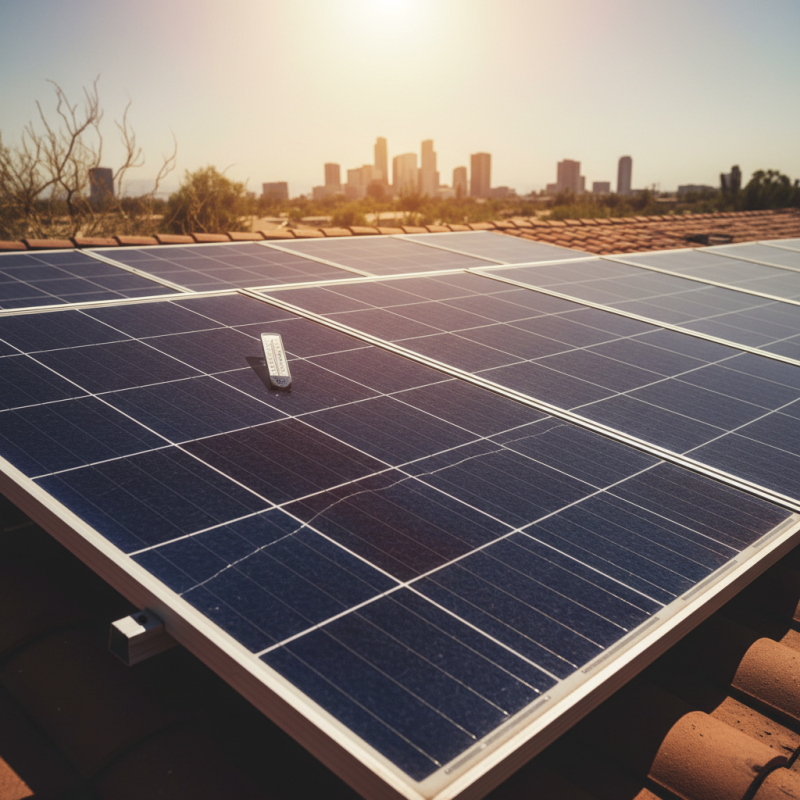
High temperatures can significantly impact the efficiency of solar modules. When temperatures rise, the photovoltaic materials within the modules experience higher resistance. This leads to a decrease in energy production. For example, a conventional silicon solar panel’s efficiency can drop by about 0.5% for every degree Celsius increase in temperature. This reduction is critical to consider, especially in hotter climates.
Several factors affect solar module efficiency at elevated temperatures. The module's design plays a role. Panels with better ventilation can dissipate heat more effectively. Additionally, the materials used in construction matter. Some types of solar cells, like monocrystalline and polycrystalline, respond differently to heat. Variations in their efficiency illustrate the complexity of solar technology.
Another aspect to reflect upon is the installation angle and orientation. An angle that maximizes sunlight in cooler months may trap heat in summer. This can inadvertently lead to lower efficiency. Regular maintenance is essential too; dust and debris can amplify overheating issues. Finding the right balance in these factors is a continual challenge for solar energy users.
Solar cells are designed to convert sunlight into electricity. However, they can lose efficiency in hot weather. Understanding the thermal characteristics of solar cells is crucial to tackling this issue. Heat impacts the performance of solar modules significantly.
When temperatures rise, the semiconductor materials inside solar cells become less efficient. This leads to reduced power output. For instance, a 1°C increase can lower efficiency by up to 0.5%. This might not seem significant, but over the long term, it adds up. Installing solar panels in hot climates requires careful consideration. Close monitoring of temperatures helps assess their impact.
Furthermore, proper ventilation can aid in dissipating heat. While many modules are designed to withstand high temperatures, not all perform the same under extreme conditions. It is essential to understand the thermal behavior of different materials. This knowledge can lead to better designs and use of cooling techniques. In some cases, innovative solutions, like reflective coatings, can enhance performance. However, these approaches require more research and testing.
The efficiency of solar modules can decline in high temperatures due to changes in semiconductor properties. As temperatures rise, the conductivity of semiconductor materials increases. This may seem beneficial, but it can lead to reduced voltage output. A drop in voltage means lower overall power generation.
Additionally, solar cells experience a temperature coefficient that affects performance. Each degree increase can reduce efficiency by a specific percentage. It’s essential to understand that not all solar technologies respond similarly to heat. Some designs mitigate these losses better than others. Reflective coatings and efficient thermal management can help.
Developers often overlook these issues. The assumption is that sunny weather equals more energy. In reality, excessive heat is detrimental. As temperatures soar, energy production can drop significantly. This is a challenge faced by many solar energy systems, especially in hotter climates. Recognizing these factors can lead to more effective installations and better energy yields over time.
| Temperature Range (°C) | Efficiency Drop (%) | Typical Semiconductor Material | Optimal Operating Temperature (°C) |
|---|---|---|---|
| 20 - 25 | 0% | Silicon | 25 |
| 26 - 30 | 1.5% | Silicon | 25 |
| 31 - 35 | 3% | Silicon | 25 |
| 36 - 40 | 5% | Silicon | 25 |
| 41 - 45 | 7% | Silicon | 25 |
Solar modules face efficiency challenges in hot weather, impacting their performance. Among the various types of solar panels, monocrystalline, polycrystalline, and thin-film modules exhibit differing heat resilience. Monocrystalline panels are often deemed the most efficient, but they too can suffer as temperatures rise. Their energy conversion capabilities decline with increased heat, reducing overall output.
Polycrystalline panels, while generally more affordable, experience a notable decrease in efficiency during intense heat. They have lower heat tolerance compared to their monocrystalline counterparts.
Thin-film modules tend to perform better under high temperatures, but their overall efficiency remains lower. This presents a challenge for those looking to maximize energy generation.
Understanding the nuances of each module type is essential. Knowledge of the heat tolerance can guide better decisions for solar installation. Reflecting on these differences highlights the importance of selecting solar panels that can adapt to local climate conditions. Potential buyers should consider how temperature fluctuations may affect their investment in solar technology.
High temperatures can severely impact solar module efficiency. Research from the National Renewable Energy Laboratory indicates that efficiency drops by approximately 0.5% for every degree Celsius above 25°C. This temperature sensitivity presents a challenge for solar energy production in hot climates. To mitigate these effects, several strategies can be employed.
One effective method is to enhance ventilation around solar panels. Increased airflow helps to cool the modules, reducing temperature levels. Another strategy involves selecting solar panels with better temperature coefficients. Panels designed for hot conditions can maintain higher efficiency in elevated temperatures. Some studies suggest that reflective coatings can also help manage heat absorption. However, these solutions often come with trade-offs in terms of cost and complexity.
Additionally, proper installation plays a crucial role in performance. Ensuring adequate spacing between panels allows for better airflow. Regular maintenance checks can identify issues like shading, which can exacerbate heating. While these methods can mitigate efficiency loss, they can require significant investment and expertise. The balance between improving efficiency and managing costs remains a critical consideration for solar energy professionals.
: High temperatures increase resistance in photovoltaic materials, leading to decreased energy production.
Efficiency can drop by about 0.5% for each degree Celsius above 25°C.
Modules with better ventilation dissipate heat more effectively, improving efficiency.
No, monocrystalline and polycrystalline cells respond differently to elevated temperatures.
An angle maximizing sunlight in cooler months may trap heat in summer, lowering efficiency.
Dust and debris can amplify overheating, negatively impacting efficiency.
Increasing airflow around panels helps cool them, reducing temperature levels.
Reflective coatings may help manage heat absorption, though they can raise costs.
Adequate spacing between panels allows for better airflow and cooling.
Balancing efficiency improvements and cost management is a continual challenge in hot climates.
Solar modules face efficiency losses in high temperatures due to several interrelated factors. Understanding why solar modules lose efficiency in high temperatures involves exploring the thermal characteristics of solar cells and the impact of elevated temperatures on the semiconductor properties within solar modules. As temperatures rise, the performance of photovoltaic cells can decline significantly, reducing the overall energy output.
Different types of solar modules exhibit varying degrees of heat resilience, highlighting the importance of selecting appropriate technologies for specific climates. To address these efficiency losses, various strategies can be implemented, such as improving cooling mechanisms and optimizing installation angles. By understanding and mitigating the effects of high temperatures, the longevity and performance of solar energy systems can be enhanced, ultimately maximizing their utility in warm environments.

Sypower Solar