Why Choose Solar Facades for Green Building Certification?

Time:2026-06-13 Author:Amelia
0%

In recent years, the push for sustainable architecture has grown significantly. Green building certification represents a standard for environmentally friendly practices. One innovative solution is the use of solar facades. This approach integrates renewable energy while enhancing a building's aesthetic appeal.

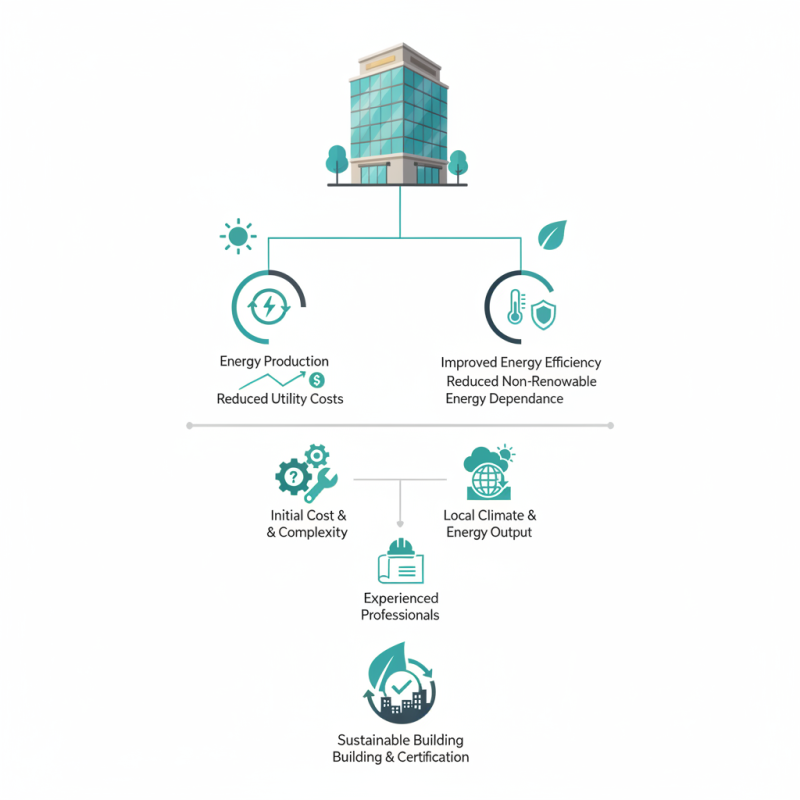
Many developers ask, "Why use solar facades for commercial green building certification?" The answer lies in their dual benefits. Not only do they produce energy, but they also improve a building's energy efficiency. Solar facades can reduce utility costs and dependence on non-renewable energy sources. However, the initial costs and installation complexity can be daunting for some projects.

Adopting solar facades requires careful planning and consideration. It's essential to understand the local climate and potential energy output. Engaging experienced professionals ensures the system's effectiveness. This can ultimately lead to a more sustainable building that meets certification standards while addressing the greater need for eco-friendly solutions in urban settings.
Why Choose Solar Facades for Green Building Certification?

The Role of Solar Facades in Sustainable Architecture Practices

Incorporating solar facades into sustainable architecture practices offers myriad benefits. Solar facades uniquely blend energy generation with aesthetic appeal. This integration enhances a building's envelope while providing clean energy. Such designs capture solar energy efficiently, reducing reliance on non-renewable sources. They transform surfaces into power-generating assets.

The implementation of solar facades does come with challenges. While the technology is advancing, initial costs may deter some developers. Additionally, the effectiveness of solar facades can vary based on geographic location and climate. So, careful analysis is vital before installation. This practice also requires ongoing maintenance, which can add complexity.

Architects and builders must collaborate closely. Sharing expertise enhances the integration process. Knowledge gaps can lead to less effective designs. Keeping abreast of evolving technologies in solar energy is essential for maximizing benefits. As the construction industry shifts toward sustainability, solar facades can play a pivotal role in improving ecological footprints. The commitment to these innovations reflects a broader dedication to a greener future.

Benefits of Solar Facades for Energy Efficiency and Cost Savings

Solar facades offer a unique approach to energy efficiency. They harness sunlight to generate power while providing insulation. This dual function makes buildings not just greener, but economically viable as well. Incorporating solar facades can lead to significant cost savings on energy bills. By leveraging renewable energy, building owners can reduce their reliance on traditional power sources.

One key benefit is the reduction in operational costs. Buildings equipped with solar facades may achieve energy independence over time. The initial investment can pay off through lower utility expenses. Additionally, these facades enhance a building's aesthetic appeal, attracting tenants or customers looking for sustainable choices.

Tips for implementing solar facades include assessing your building's orientation and local climate. Optimal placement ensures maximum sunlight capture. Regular maintenance is essential to uphold efficiency. Keep surfaces clean to maximize energy absorption. Solicit advice from experts in renewable energy for tailored solutions. Remember, innovation comes with challenges, and adapting to new technologies is a continuous learning process.

Why Choose Solar Facades for Green Building Certification? - Benefits of Solar Facades for Energy Efficiency and Cost Savings

Benefit Description Estimated Savings (%) Environmental Impact
Energy Generation Solar facades convert sunlight into electricity, reducing reliance on fossil fuels. 30% Reduced CO2 emissions
Aesthetic Appeal Modern design enhances building aesthetics while providing energy efficiency. N/A Promotes sustainable architecture
Low Maintenance Costs Durable materials minimize upkeep costs over time. 15% Less waste from repairs
Increased Property Value Buildings with solar features often have higher resale values. 10% Encourages renewable energy use
Tax Incentives Government incentives may reduce the overall cost of solar installation. 20% Supports green technology funding

Compliance with Green Building Standards and Certifications

The move towards green building certification has created new opportunities in architecture and construction. Solar facades are one such solution. They do not only fulfill aesthetic desires but also significantly contribute to energy efficiency. Building owners are often drawn to these innovative structures for their sustainability credentials.

Compliance with green building standards demands adherence to strict criteria. Solar facades can help meet energy production targets. Incorporating them can boost a building's energy performance ratings, making it easier to achieve certifications like LEED or BREEAM.

**Tip:** Evaluate local regulations. Every region has specific guidelines for solar installations. Understanding these can streamline your compliance process.

While the benefits are clear, challenges exist. The upfront costs of solar facades can be daunting. Additionally, not all buildings are suitable for this technology. Conducting a thorough site analysis is crucial.

**Tip:** Consider existing architectural styles. Integrating solar facades with traditional designs requires careful planning. Effective design should maintain the building's character while enhancing energy performance.

Solar Facades Impact on Green Building Certification

Impact of Solar Facades on Aesthetic Design and Building Value

The integration of solar facades in green building design is reshaping aesthetic concepts. Architectural firms are increasingly drawn to their sleek appearance. In fact, a 2022 report by the International Renewable Energy Agency (IRENA) noted a 35% rise in the demand for solar-integrated buildings. This demand highlights the shift toward designs that embrace renewable energy sources while enhancing visual appeal.

Solar facades not only provide energy benefits but also significantly boost property value. Research from the U.S. Department of Energy indicates that buildings with solar installations can see a market value increase of up to $6%. This financial incentive attracts developers and investors alike. However, the aesthetic component can be subjective. Some industry experts argue that poorly designed solar panels can detract from a building's character. Striking a balance between form and function remains a challenge for many architects.

Innovative designs using solar facades can create distinctive skylines. The visual impact of reflective surfaces can alter how a building is perceived in its environment. Nevertheless, not all designs resonate with the community, leading to debates about local identity versus modernity. The goal is to create visually appealing structures that complement their surroundings while maximizing sustainability. Finding this equilibrium is crucial for successful integration.

Future Trends in Solar Facade Technology and Building Certifications

The use of solar facades is rapidly shaping the future of green building certification. Current trends show an increasing demand for energy-efficient designs that incorporate renewable energy sources. Solar facades not only enhance aesthetic appeal but also contribute significantly to energy generation. These innovations create a synergy between design and functionality. Architects and builders are beginning to realize the potential of solar technology as a standard feature.

Advancements in solar facade technology are pivotal. New materials, such as lightweight solar panels, are now available. These panels can seamlessly integrate into building designs, while also meeting architectural standards. However, challenges remain. Not all buildings are suitable for solar installations, and initial costs can be high. Understanding site-specific limitations is crucial for successful implementation.

Future building certifications will likely evolve to embrace such technologies. Regulatory bodies are increasingly recognizing solar facades’ role in sustainable architecture. A shift towards lifecycle analysis is anticipated, where energy efficiency and carbon footprint are thoroughly assessed. As these trends develop, the commitment to innovation must be balanced with practical implementation and adaptability in design.

FAQS

: What are solar facades?

: Solar facades integrate energy generation with building design. They use sunlight to produce power while looking visually appealing.

What are the benefits of solar facades?

They provide energy efficiency, reduce operational costs, and enhance aesthetic appeal. Building owners can save on energy bills over time.

What challenges do solar facades present?

Initial costs can be high. Effectiveness varies based on climate. Ongoing maintenance is also required, adding complexity.

How can building orientation affect solar facades?

Optimal orientation ensures maximum sunlight capture. Poor placement can lead to reduced energy efficiency and effectiveness.

How do solar facades help with green building certifications?

They contribute to energy efficiency. Incorporating them can improve energy performance ratings, aiding compliance with sustainability standards.

Is continuous learning necessary for solar facade implementation?

Yes, adapting to new technologies requires ongoing education. Keeping informed helps maximize the benefits of solar energy solutions.

Can all buildings use solar facades?

Not every building is suitable. A thorough site analysis is essential to determine compatibility with this technology.

What is the importance of maintenance for solar facades?

Regular maintenance keeps surfaces clean and efficient. Neglecting it can hinder energy absorption and overall performance.

How can expert advice assist in solar facade installation?

Experts provide tailored solutions based on building specifics. Their insights can lead to more effective integration and implementation.

Are there specific regulations for solar installations?

Yes, local regulations vary. Understanding them helps streamline the compliance process for solar facade projects.

Conclusion

Solar facades have emerged as a pivotal element in sustainable architecture, serving multiple functions that enhance energy efficiency and reduce operational costs. They not only harness solar energy to power buildings but also contribute to meeting green building standards and certifications. By integrating solar panels into the facade design, commercial buildings can achieve significant energy savings, making them more compliant with various sustainability certifications. This raises the question: "Why use solar facades for commercial green building certification?" The answer lies in their ability to improve energy performance while enhancing the aesthetic appeal and overall value of the structure.

Moreover, as technology advances, the future of solar facades looks promising, with innovations aimed at increasing efficiency and functionality. This trend not only supports sustainable development but also aligns with growing consumer and regulatory expectations for eco-friendly buildings. Ultimately, solar facades stand out as a compelling choice for those seeking to elevate their commercial properties in the realm of green building certification.

Amelia

Amelia

Amelia is a seasoned marketing professional with a wealth of expertise in our company’s core offerings. With an unwavering passion for driving growth and innovation, she plays a pivotal role in shaping our marketing strategies and enhancing brand visibility. A key aspect of her responsibilities......