As the world increasingly embraces sustainable architecture, solar curtain walls are becoming a popular choice. However, a common concern arises: "Are solar curtain walls effective in low-light conditions?" Industry expert Dr. Emily Hart, a leading researcher in renewable energy, shares her insights on this topic. She states, “While solar curtain walls capture sunlight, their efficiency diminishes significantly under cloudy or low-light environments.”
Incorporating solar curtain walls into building design can offer many benefits, even in challenging light conditions. These innovative systems utilize photovoltaic technologies to convert sunlight into energy. Still, the effectiveness in low-light situations often requires further consideration. Evaluating the positioning and orientation of these structures is crucial.
One must also take into account the energy needs of the building. While solar curtain walls provide some benefits in low-light conditions, reliance solely on them may lead to underperformance. Balancing these systems with other energy solutions can optimize energy use and sustainability. Exploring the limitations can open pathways for improvement and innovation in architectural design.
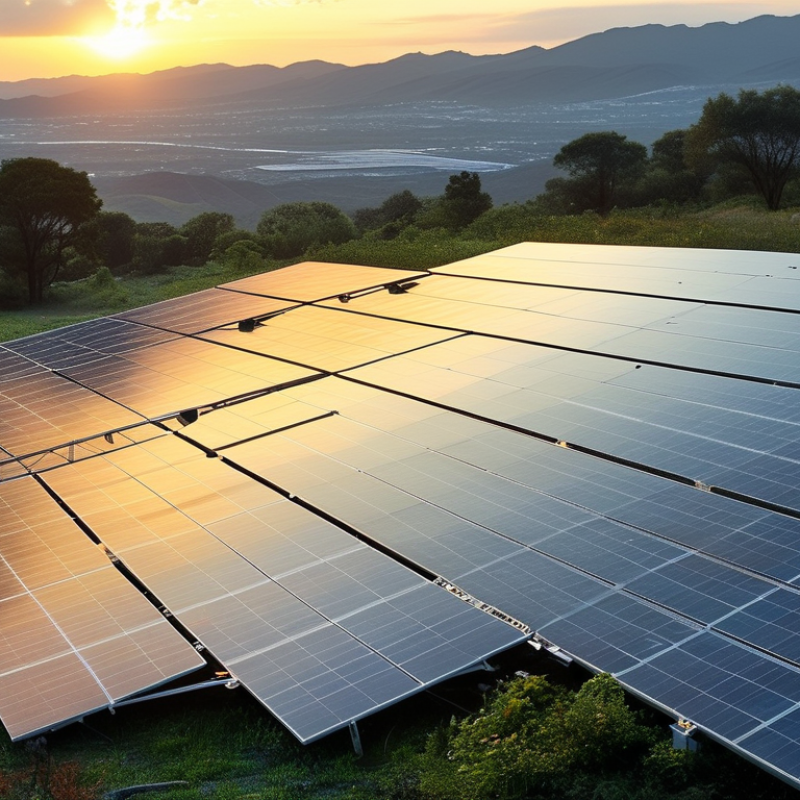
Solar curtain walls offer a unique solution for buildings striving to maximize natural light while minimizing energy consumption, especially in low light conditions. According to the U.S. Department of Energy, properly designed solar curtain walls can reduce energy use by up to 30%. This is particularly beneficial in urban environments where tall buildings often obstruct sunlight.
In low light situations, using high-performance glazing can enhance the effectiveness of solar curtain walls. Selecting materials with low solar heat gain coefficients can prevent overheating while still allowing for adequate daylight. It's essential to consider the orientation of the walls. South-facing surfaces typically capture more light, maximizing benefits during winter months.
When implementing solar curtain walls, one should pay attention to the shading elements. Integrating adjustable shades can optimize light entry without glare. Additionally, utilizing reflective surfaces in nearby areas can enhance illumination. Experimenting with color can also affect light perception, making spaces feel larger. Performance data suggests that buildings using these strategies report higher occupant satisfaction. It’s crucial to regularly evaluate their effectiveness, as conditions and needs may change over time. Ultimately, a thoughtful approach ensures that these systems work effectively in variable lighting conditions.
When selecting materials for solar curtain walls, optimizing performance in low light is crucial. Traditional materials may not effectively harness available daylight. According to the National Renewable Energy Laboratory, advanced glazing technologies can enhance light transmittance. High-performance coatings can increase solar gain, even on cloudy days.
Consider using transparent insulating materials. These can help maintain thermal comfort while maximizing natural light. A study published in the Journal of Building Performance highlighted that low-emissivity glass reduces heat loss by 30% compared to standard glass. This is important in regions with inconsistent sunlight. Even slight variations in material choice can significantly impact energy efficiency.
Reflecting films or light shelves can amplify daylight in low-light conditions. Properly installed, they redirect sunlight deeper into spaces. Researchers at the Lawrence Berkeley National Laboratory noted that integrating these features can improve indoor daylighting by up to 50%. It’s essential to balance aesthetic appeal with functional performance. Understanding this can lead to informed decisions and reflections on potential trade-offs in design strategies.
Using solar curtain walls effectively in low light conditions requires strategic design that maximizes natural light. Thoughtful placement of curtain walls can transform dim spaces into vibrant environments. For instance, positioning these walls to face the sun's path can capture low-angle sunlight during various seasons. This not only increases the influx of natural light but also creates a warm ambiance.
Solar curtain walls can significantly enhance energy efficiency, yet they require special attention in challenging conditions. Regular maintenance is crucial to their performance, particularly in low light. Research from the National Renewable Energy Laboratory shows that properly maintained solar walls can improve thermal performance by up to 20%.
Frequent inspections are necessary to check for dirt and debris. These can block sunlight, diminishing energy efficiency. Consider rainy seasons; water accumulation can lead to mold or algae growth. This not only affects aesthetics but also the structural integrity. Cleaning at least twice a year is advisable, though more frequent cleanings may be needed in urban or coastal areas.
Integrating automated sensors can help monitor conditions. These devices can prompt immediate action when performance drops. However, they require initial investment and ongoing calibration. The data collected is essential for adjusting maintenance schedules. While these methods enhance utility, they also highlight the need for skilled personnel to manage and interpret the technology effectively. Balancing advancements with the fundamental requirement for human oversight remains a challenge.
| Tip Number | Tip Description | Maintenance Frequency | Importance Level |
|---|---|---|---|
| 1 | Regularly clean the glass to maximize daylight. | Monthly | High |
| 2 | Inspect seals and weatherstripping for leaks. | Bi-Annually | Medium |
| 3 | Utilize reflective surfaces to enhance ambient light. | As Needed | High |
| 4 | Use smart tinting technology for glare control. | Annually | High |
| 5 | Maintain proper alignment of curtain wall panels. | Annually | Medium |
| 6 | Monitor for condensation issues and address promptly. | Monthly | High |
| 7 | Ensure regular inspection of structural supports. | Annually | Medium |
| 8 | Consider shading devices to optimize light entry. | Seasonally | Medium |
| 9 | Implement energy-efficient lighting for low light conditions. | As Needed | High |
| 10 | Engage professionals for routine evaluations and updates. | Annually | High |
Solar curtain walls are gaining attention for their ability to harness sunlight, even in low light conditions. Recent innovations in materials and technology can enhance their effectiveness. Researchers have noted that new photochromic materials can adjust their properties based on ambient light. This allows solar curtain walls to capture more energy during cloudy or shaded moments.
Data from the National Renewable Energy Laboratory indicates that buildings using advanced solar curtain walls can achieve a 30% increase in energy efficiency. These walls utilize nanotechnology to maximize light absorption. This is crucial for urban areas where tall buildings often block sunlight. By optimizing the angle of these walls, significant gains in energy capture can be realized.
However, the reliance on emerging technologies presents challenges. Not all materials perform equally under varying light conditions. Testing and standardization are still ongoing in the industry. Maintenance is another concern, as some systems may require regular updates to stay effective. A comprehensive understanding of these aspects can help in deciding the right solutions for specific environments.
: Strategic placement of solar curtain walls can capture low-angle sunlight, brightening dim spaces significantly.
Light-colored walls and strategically placed mirrors can amplify natural light dispersion within a room.
Testing different placements and materials helps achieve optimal light quality, allowing for necessary adjustments.
Regular inspections and cleaning at least twice a year are recommended, especially in urban or coastal areas.
Dirt and debris can block sunlight, reducing energy efficiency and leading to potential mold or algae growth.
They monitor system performance and can initiate maintenance when needed, but require skilled personnel for management.
Advanced photochromic materials can adapt to light changes, enhancing energy capture even under cloudy conditions.
Not all new materials perform consistently, and ongoing testing is necessary to determine their effectiveness.
Skilled personnel are needed to interpret data from automated systems and ensure optimized maintenance schedules.
Tall buildings can block sunlight, making it essential to optimize wall angles for improved energy capture.
Solar curtain walls are gaining attention for their potential to harness natural light, even in low-light conditions. Understanding their benefits involves recognizing how they can enhance energy efficiency while improving indoor illumination. Selecting the right materials plays a crucial role in optimizing their performance, ensuring that the walls can maximize light transmission despite external challenges. Additionally, effective design strategies can further enhance natural light utilization, allowing spaces to feel brighter and more open.
One must consider maintenance practices to keep solar curtain walls functioning effectively under challenging conditions. Moreover, recent technological innovations are paving the way for improved performance of solar curtain walls in low-light situations. This leads to the question: Are solar curtain walls effective in low-light conditions? The answer lies in the thoughtful application of these principles, which can significantly enhance their utility in diverse environments.

Sypower Solar