How Does Shading Influence Solar Curtain Wall Efficiency?

Time:2026-07-04 Author:Ethan
0%

Shading plays a crucial role in determining the efficiency of solar curtain walls. The ability of these systems to harness solar energy significantly depends on their design and placement concerning sunlight. Industry expert Dr. Emily Zhang emphasizes, "Effective shading can enhance solar curtain wall systems by reducing heat gain." This underscores the importance of understanding how does shading affect a solar curtain wall's performance?

Proper shading can lower energy consumption in buildings. This balance is delicate; too much shading might block necessary sunlight for energy generation. Not all shading solutions suit every building. Variations in geography and climate require tailored approaches. Reflective materials, overhangs, and vegetation all serve as options, yet not every choice is optimal.

Creating solar curtain walls is more than a design decision. It involves applying scientific knowledge and understanding building dynamics. Designers must evaluate shading strategies critically. This reflection ensures that installations maximize energy efficiency while maintaining comfort. Therefore, exploring how does shading affect a solar curtain wall's performance? becomes essential for sustainable development in architecture.
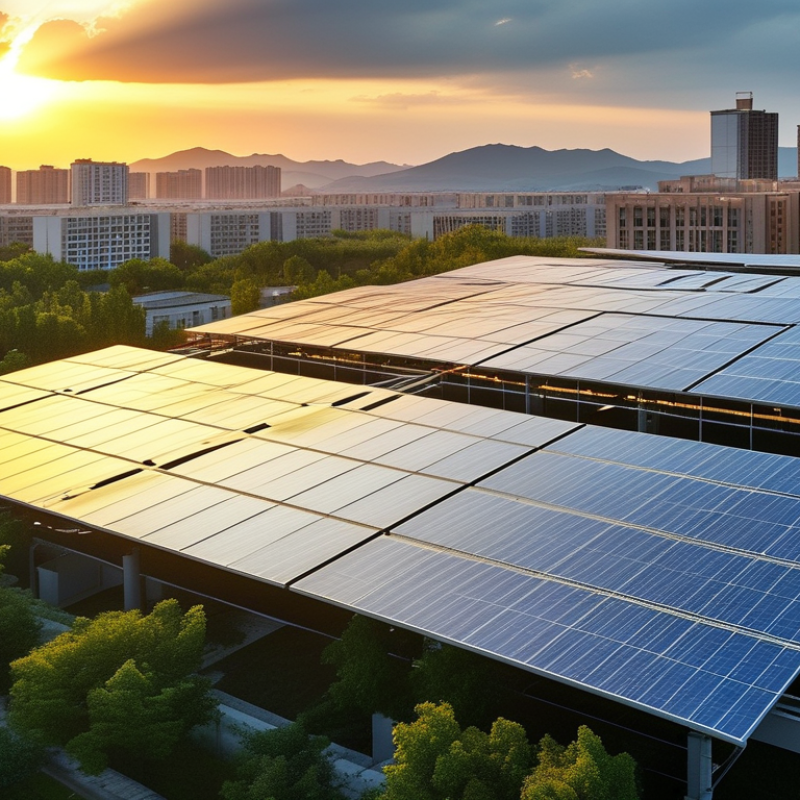
How Does Shading Influence Solar Curtain Wall Efficiency?

Shading Techniques and Their Role in Solar Curtain Wall Performance

Shading techniques play a pivotal role in enhancing the efficiency of solar curtain walls. These architectural elements maximize natural light while minimizing heat gain. Effective shading can reduce cooling loads in buildings, leading to lower energy costs. Techniques such as adjustable louvers, fixed overhangs, and vertical fins can greatly influence indoor temperatures. Each method offers distinct advantages based on geographical location and building orientation.

Ventilated shades can also add a layer of complexity to performance. They allow air circulation, which helps to cool surfaces directly exposed to sunlight. However, the effectiveness of these techniques often depends on specific conditions. A poorly designed system might block too much light or fail to provide adequate insulation. Designers must consider factors like local climate, sun angles, and occupant comfort when implementing shading solutions.

Moreover, integrating shading systems with solar technologies is not always straightforward. Balancing aesthetics with functionality can lead to conflicts. Sometimes, striking this balance requires innovative thinking and a willingness to experiment. The journey toward optimizing shading for solar curtain walls may not always be smooth, but its potential rewards are significant. Each project serves as a learning opportunity to further refine these technologies.

Impact of Solar Angles on Shading Efficiency in Curtain Walls

The efficiency of solar curtain walls largely depends on the angles of sunlight and the shading mechanisms in place. Research indicates that shading can reduce solar heat gain by up to 60% during peak sun hours. This remarkable efficiency highlights the intricate relationship between solar angles and shading performance.

Angles vary throughout the day and across seasons, impacting the flow of sunlight into buildings. For instance, low-angle sunlight in winter can increase heating demands if not appropriately managed. Conversely, during summer, high sun angles can lead to excess heat. Proper shading design is essential to balance these effects effectively. Integrating adjustable shades or overhangs can optimize light entry based on changing angles.

However, achieving the right balance can be challenging. Overly aggressive shading may restrict natural light, leading to increased reliance on artificial lighting. This can create a negative energy balance, counteracting the benefits of reduced heat gain. It's crucial for architects and engineers to evaluate shading strategies, ensuring they enhance energy efficiency without compromising interior comfort. Continuous assessment of shading performance is necessary to refine designs further.

Quantifying the Energy Savings from Effective Shading Solutions

Effective shading solutions can significantly enhance the efficiency of solar curtain walls. By blocking direct sunlight, shading helps maintain optimal indoor temperatures. This leads to reduced reliance on air conditioning systems. In turn, it lowers energy consumption and associated costs. Studies show that buildings with proper shading mechanisms can achieve energy savings of up to 30%. However, the design of shading devices must be carefully considered.

Not all shading solutions yield the same results. Factors like orientation, materials, and seasonality play crucial roles. For example, overhangs provide shade in summer but may let in sunlight during winter. This requires a balance that not all designs achieve. Over-relying on a single type of shading could miss the diverse needs of different climates. Effective solutions should also account for local weather patterns and building usage. Sometimes, trial and error is necessary to find the most efficient option.

The quantification of energy savings is essential. Advanced simulations can estimate the benefits of various shading designs. However, real-world applications often reveal that models may not capture every variable. This is where continuous evaluation and adjustment come into play. Observing actual performance allows for refined approaches. Ultimately, understanding shading's impact on energy savings requires both expertise and field knowledge.

Comparative Analysis of Different Shading Materials for Thermal Regulation

Shading plays a crucial role in the efficiency of solar curtain walls. Various materials affect how well these walls regulate temperature. These materials influence heat transfer and energy consumption in buildings. A common choice is lightweight fabrics, which allow for light diffusion without sacrificing visibility. This option offers a balance between aesthetics and functionality.

In contrast, solid materials can provide better insulation but may obstruct views. For instance, metal shades can block direct sunlight effectively. However, they can also lead to excessive heat buildup indoors if not properly designed.

Choosing the right shading material requires a thoughtful analysis of climate conditions and architectural goals. It's important to consider not just aesthetics but also energy efficiency and user comfort. Some solutions may involve trade-offs, and each choice can lead to different challenges. In many cases, the optimal solution is not straightforward. Building professionals should experiment with materials to achieve the best thermal regulation while maintaining visual appeal.

How Does Shading Influence Solar Curtain Wall Efficiency?

This chart compares the thermal regulation efficiency of different shading materials used in solar curtain walls. The data indicates how various materials perform in terms of reducing heat gain.

Case Studies on Shading Strategies and Their Effectiveness in Buildings

Shading plays a crucial role in enhancing the efficiency of solar curtain walls. Various case studies demonstrate the effectiveness of different shading strategies in building design. For instance, a report by the National Renewable Energy Laboratory highlights that properly designed shading can reduce cooling needs by up to 30%. This demonstrates that integrating shading elements can significantly improve energy efficiency.

One successful application involved overhangs that were specifically designed to block high summer sun while allowing low winter sun to penetrate. This approach has been shown to lower associated energy costs. However, it is essential to recognize that not all shading designs yield the same results. Misjudged proportions can lead to increased glare or insufficient daylighting, which can compromise indoor comfort.

Tips: When considering shading options, evaluate local climate conditions. Tailoring designs to specific environments can yield better outcomes. Regular assessments after implementation can identify areas for improvement. Always be prepared to adjust strategies to maximize efficiency, as even small changes can lead to significant enhancements in energy performance.

FAQS

: What are shading techniques in solar curtain walls?

: Shading techniques enhance efficiency by maximizing natural light and minimizing heat gain. They reduce cooling loads.

How do ventilated shades work?

Ventilated shades allow air circulation, cooling surfaces exposed to sunlight. However, their effectiveness depends on specific conditions.

What is the impact of solar angles on shading?

Solar angles affect shading efficiency. Proper design can reduce solar heat gain by up to 60% during peak sun hours.

Why is design important in shading systems?

Good design balances light and heat gain. Poor design might block too much light or fail to insulate properly.

What materials are used for shading?

Shading materials vary in performance. Lightweight fabrics diffuse light well, while solid materials offer better insulation but can obstruct views.

What challenges arise in shading design?

Achieving balance can be hard. Overly aggressive shading may restrict light, causing increased reliance on artificial lighting.

How do building professionals choose shading materials?

They analyze climate conditions and architectural goals. Trade-offs are common, and finding the best solution can be complex.

Why is continuous assessment of shading performance necessary?

Continuous assessment helps refine designs. It ensures energy efficiency and comfort without sacrificing natural light.

Conclusion

The performance of solar curtain walls is significantly influenced by various shading techniques, which play a crucial role in regulating thermal performance and energy efficiency. Key factors such as solar angles directly impact how effectively these shading solutions can minimize unwanted solar gain while maximizing natural light. Understanding how does shading affect a solar curtain wall's performance is vital in designing buildings that optimize energy savings and maintain comfortable indoor environments.

In a comparative analysis of different shading materials, it becomes evident that selecting the right solution can lead to substantial energy savings. Case studies demonstrate the effectiveness of various shading strategies implemented in real-world buildings, illustrating the positive outcomes of thoughtful design choices. Overall, effective shading is not just a design consideration but a critical component in enhancing the sustainability and efficiency of solar curtain walls.

Ethan

Ethan

Ethan is a seasoned marketing professional with a deep expertise in our company's innovative product line. With a passion for sharing knowledge and insights, he takes the lead in regularly updating our corporate blog, where he explores industry trends, product features, and effective marketing......