The rise of commercial solar facade installations has piqued the interest of businesses and industry experts alike. One of the key questions is, "What is the ROI for commercial solar facade installations?" Industry expert John Smith, a recognized authority in solar energy solutions, notes, “Investing in solar facades can lead to impressive savings over time.” This highlights the transformative potential of solar technology in commercial settings.
Commercial buildings, often characterized by large surfaces, present unique opportunities for solar integration. The aesthetics of a solar facade can enhance a building's appeal while generating energy. However, the ROI should not only be seen through immediate cost savings. Factors like property value increase, energy independence, and sustainability should also weigh heavily in decision-making.
While many ventures into solar installations see positive returns, some projects falter due to poor planning and integration. Understanding the balance between cost, energy production, and visual impact is crucial. In a rapidly evolving market, continual assessment of what constitutes a worthwhile investment remains essential. Engaging with knowledgeable professionals helps in navigating these complexities effectively.
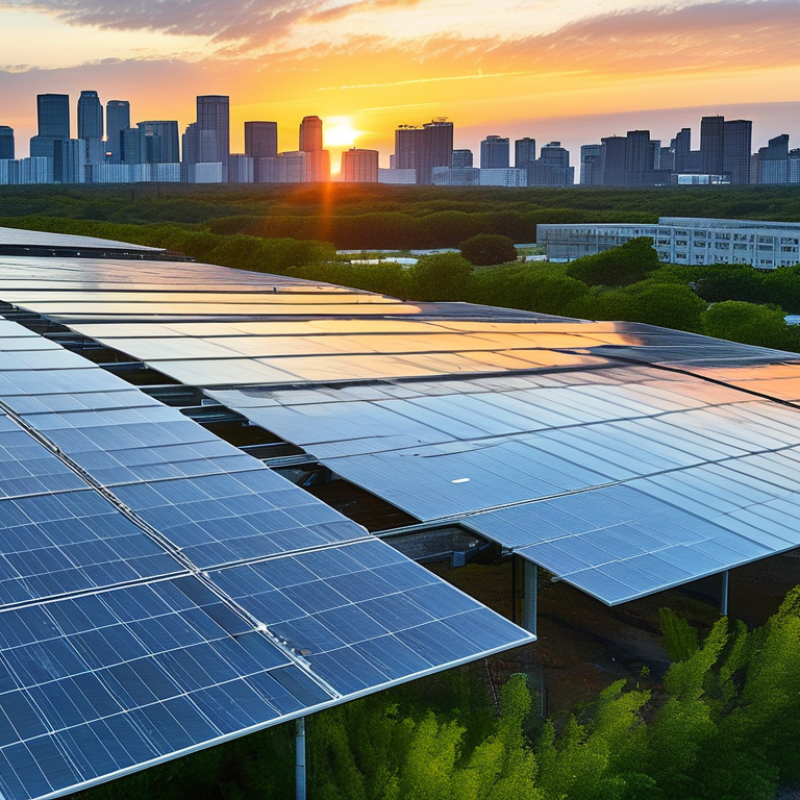
Commercial solar facade installations offer numerous benefits that extend beyond reducing energy costs. These structures can improve the aesthetic appeal of buildings while enhancing energy efficiency. A recent study from the National Renewable Energy Laboratory highlights that integrating solar facades can yield energy savings of up to 30%. This is a considerable benefit for businesses looking to lower operational expenses.
In addition to energy savings, solar facades can also increase property values. According to a report by the Solar Energy Industries Association, properties with solar installations can experience a value increase of 3% to 4%. This statistic suggests that sustainability not only provides immediate financial benefits but also contributes to long-term asset appreciation.
However, it’s essential to acknowledge the upfront installation costs. Although these systems can pay off over time, the initial investment may not be feasible for all businesses. Potential challenges include securing financing and navigating regulatory hurdles. These factors require careful consideration and planning to ensure a successful implementation of solar facade technology.
Investing in commercial solar facade installations can transform energy efficiency for buildings. Before diving into this venture, it’s crucial to calculate the initial investment accurately. The financial outlay typically includes design, materials, labor, and permits. Each façade is unique, affecting costs significantly.
Materials used in solar facades vary widely. High-efficiency panels can drive up costs, but they often yield better returns. Labor costs fluctuate based on location and the complexity of the installation. Therefore, a detailed analysis of all these factors is essential. Permits might seem minor, yet they can add unexpected expenses.
An often overlooked aspect is maintenance costs. While solar facades are relatively low-maintenance, occasional repairs and cleanings are necessary. These can affect overall ROI projections. Additionally, energy savings may take time to materialize, which can make immediate returns seem less appealing. Understanding these financial dynamics is crucial for making informed decisions.
Solar facades are becoming more popular in commercial buildings. They offer various benefits, especially in energy savings and efficiency. These installations convert sunlight into usable energy while providing insulation. Every square meter of solar facade can significantly reduce energy consumption. This reduction translates into lower utility costs over time.
However, the implementation of solar facades comes with challenges. Initial installation costs can be high. Also, not all buildings are suitable for this technology. Factors such as orientation, shading, and building design play critical roles. Companies must evaluate these aspects carefully to determine the effectiveness of solar facades. It's essential to ensure that the investment will yield long-term benefits.
Additionally, energy production can vary throughout the year. Seasonal changes affect the angle of sunlight hitting the facade. This variability makes energy predictions difficult. Building owners need to consider these factors when planning investments. Exploring these nuances can lead to more informed decisions, ultimately impacting the ROI of solar facade projects.
| Installation Type | Initial Investment ($) | Annual Energy Savings ($) | Payback Period (Years) | Estimated ROI (%) |
|---|---|---|---|---|
| Glazed Solar Facade | 150,000 | 25,000 | 6 | 17% |
| BIPV (Building-Integrated Photovoltaics) | 200,000 | 30,000 | 6.67 | 15% |
| Hybrid Solar Facade | 180,000 | 28,000 | 6.43 | 16% |
| Traditional Solar Panels on Building | 120,000 | 20,000 | 6 | 17% |
Solar facade installations are gaining traction in commercial real estate. Their appeal lies in potential long-term financial returns. According to the National Renewable Energy Laboratory, buildings equipped with solar technology can experience energy savings of up to 75%. This significant reduction in utility costs makes these installations an attractive investment.
The initial costs can be daunting, typically ranging from $300,000 to $600,000. However, government incentives can offset these expenses. A report from the Solar Energy Industries Association notes that businesses can often recover their initial investment within 7 to 10 years due to energy savings and tax benefits. Regular maintenance is crucial; neglecting simple upkeep can reduce efficiency and affect ROI dramatically.
Tips: Consider local solar laws for incentives. Evaluate long-term energy needs before installation. Always hire certified professionals for installation and maintenance to ensure maximum performance.
This chart illustrates the estimated return on investment (ROI) of commercial solar facade installations over a span of 10 years.
Solar facade systems provide a unique opportunity to combine energy production with architectural design. These installations integrate photovoltaic panels into building facades, creating aesthetic appeal while generating electricity. This dual purpose can enhance the building's value. However, assessment of their environmental impact requires careful analysis.
When evaluating solar facades, energy efficiency is critical. These systems can significantly reduce a building's carbon footprint, lowering greenhouse gas emissions. The materials used in these facades might have environmental implications as well. Are they recyclable? What is their lifecycle impact? These questions warrant serious consideration.
Additionally, the maintenance of solar facades impacts sustainability. Regular upkeep is necessary to ensure efficiency. Dust and debris can hinder energy production. Moreover, not all solar facades perform the same under different weather conditions. Urban environments, with their tall buildings and pollution, can affect effectiveness. Scrutinizing these variables is vital for a more comprehensive assessment of their environmental benefits.
: They reduce energy costs, enhance aesthetics, and improve energy efficiency.
Integrating solar facades can yield energy savings of up to 30%.
Yes, properties with solar installations can see a value increase of 3% to 4%.
High upfront costs, financing issues, and regulatory hurdles can complicate installations.
No, factors like orientation and shading affect the suitability of solar facades.
Seasonal variations can affect sunlight angles, making energy predictions challenging.
Carbon footprint, lifecycle of materials, and recyclability are important aspects to investigate.
Yes, regular cleaning is necessary to prevent dust and debris from hindering efficiency.
Pollution and tall buildings in urban areas can reduce the effectiveness of solar facades.
Understanding challenges and potential returns on investment is essential for informed decision-making.
Commercial solar facade installations offer a unique opportunity for businesses to enhance their energy efficiency while making a positive environmental impact. Understanding these installations involves evaluating the initial investment, which includes the costs of materials, labor, and maintenance. By analyzing energy savings and overall efficiency, companies can gain insight into the financial benefits over time.
When contemplating "What is the ROI for commercial solar facade installations?", it is essential to consider not only immediate financial returns but also long-term benefits. These systems contribute to reduced energy expenses and can lead to improved property value. Additionally, assessing the environmental impact emphasizes the sustainability aspect of solar facades, making them a compelling choice for businesses looking to integrate green technologies into their operations.

Sypower Solar