Lightweight PV modules are gaining attention in the renewable energy sector. Many old warehouse roofs cannot support heavier installations. This concern leads to the question: Why are lightweight PV modules better for old warehouse roofs?
The structure of old warehouses often poses challenges. Age, wear, and design limit roof capacity. Conventional solar panels can be too heavy for these surfaces. Lightweight PV modules offer a solution. They reduce stress on the roof while harnessing solar energy effectively.
Efficiency is key in today's world. Lightweight options allow for easier installation without extensive renovations. They maintain roof integrity and prolong the building's lifespan. Moreover, they cater to the growing demand for sustainable energy solutions. This shift raises the importance of selecting the right technology for older structures. In this evolving landscape, understanding the advantages of lightweight PV modules becomes crucial.
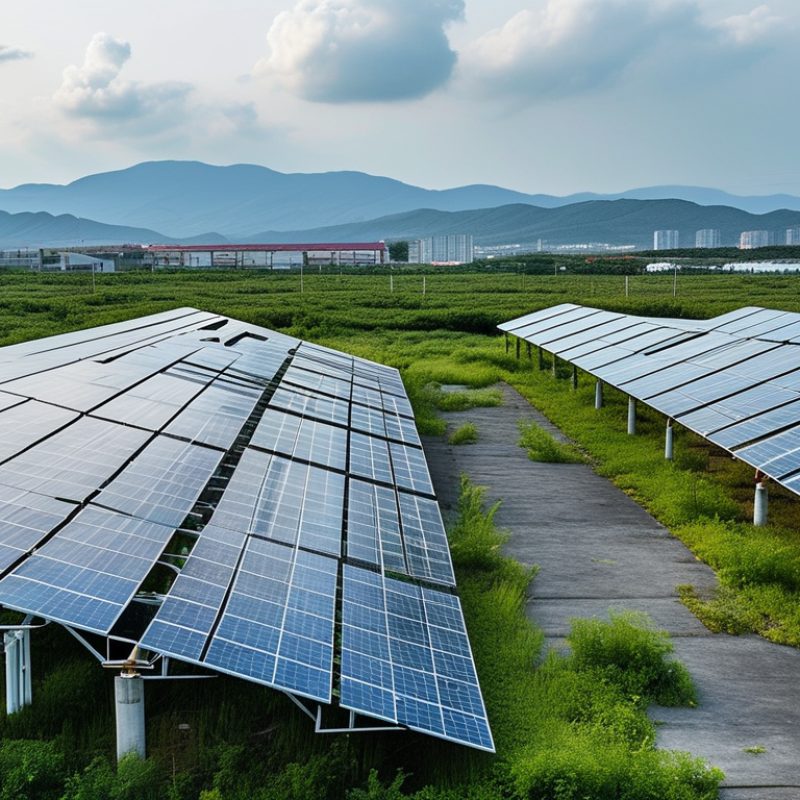
Benefits of Lightweight PV Modules for Old Warehouse Roofs
Old warehouse roofs present unique challenges for solar panel installations. One solution is lightweight photovoltaic (PV) modules. These modules weigh significantly less compared to traditional options, often reducing structural strain by up to 50%. A study from the National Renewable Energy Laboratory highlights how this reduction minimizes the need for extensive roof reinforcements, saving both time and resources for building owners.
Additionally, lightweight PV modules can be installed more quickly. Their manageable size and weight allow for easier handling, often resulting in faster project timelines. According to a report by Solar Power World, installations can be expedited by 20% or more, which translates to reduced labor costs. Less structural modification means lower overall project expenses.
Moreover, older warehouses with less robust roofs benefit from the lower wind load that lightweight modules create. This feature significantly reduces the risk of damage during extreme weather. The improved efficiency of energy production can also be significant, with lightweight PV modules yielding 15% more energy in some tests. These benefits make lightweight PV modules an ideal choice for repurposing aging industrial buildings into sustainable energy sources.
Structural Considerations for Installing Lightweight PV Modules
When considering the installation of photovoltaic (PV) modules on old warehouse roofs, structural integrity is paramount. Lightweight PV modules, often weighing less than 10 kg per square meter, are particularly beneficial. According to the Solar Energy Industries Association (SEIA), a typical installation can reduce loads on aging structures, thus prolonging their lifespan. Older warehouses may not have been designed for heavy equipment, so minimizing additional stress is crucial.
Proper assessment of the roof's condition is vital. Any signs of wear, such as cracked beams or water damage, should prompt further examination. Engineers often recommend load testing to ensure safety before installation. An estimated 25% of older roofs have structural weaknesses, which could compromise new installations. Using lightweight materials can mitigate these risks while providing an efficient energy source.
Tips: Always consult a structural engineer. They can guide you through compliance with local building codes. Regular inspections post-installation ensure ongoing safety and performance. For maximum efficiency, ensure modules are oriented correctly, considering potential shadows from nearby structures. This attention to detail can greatly enhance energy output.
Why Are Lightweight PV Modules Ideal for Old Warehouse Roofs? - Structural Considerations for Installing Lightweight PV Modules
| Dimension |
Lightweight PV Modules |
Traditional PV Modules |
| Weight (kg/m²) |
10-15 |
20-30 |
| Typical Thickness (mm) |
3-5 |
35-45 |
| Minimum Roof Load Capacity (kg/m²) |
100 |
200 |
| Installation Speed (modules/hour) |
10-15 |
5-10 |
| Lifespan (years) |
25+ |
25+ |
| Temperature Coefficient (%/°C) |
-0.35 |
-0.45 |
Energy Efficiency and Cost Savings from Lightweight PV Systems
Lightweight photovoltaic (PV) modules offer a unique solution for energy efficiency in older warehouses. These structures often have limitations due to age and weight-bearing capacity. Conventional solar panels can be heavy and may require reinforcement of the roof to support their weight. However, lightweight PV systems minimize this concern, allowing older buildings to harness solar energy without significant modifications.
This innovative approach comes with considerable cost savings. By avoiding extensive renovations, warehouse owners can deploy solar energy systems more affordably. Lightweight modules are easier and quicker to install, which reduces labor costs. Moreover, these systems often require less maintenance, translating into long-term savings. On sunny days, they can significantly lower electricity bills, creating a stable return on investment.
However, it’s essential to consider the long-term performance of lightweight PV modules. Some may question their durability under different weather conditions. While they are designed to withstand the elements, ongoing assessments are necessary to ensure optimal performance. Balancing cost with the expected lifespan of these systems can lead to informed decisions for warehouse owners.
Installation Process and Challenges of Lightweight PV Modules
Lightweight photovoltaic (PV) modules are becoming an attractive option for retrofitting old warehouse roofs. Their lower weight significantly reduces structural stress, catering to facilities with aging infrastructure. According to a report from the National Renewable Energy Laboratory, these modules can weigh as little as 50% less than traditional options. This reduction can alleviate concerns about roof integrity, especially in older buildings that may not support heavy installations.
The installation process for lightweight PV modules is often quicker compared to traditional systems. Due to their lighter design, fewer modifications are needed for the roof. However, crews must still navigate challenges, such as ensuring proper alignment and secure attachment to prevent wind uplift. In some cases, detailed assessments are essential to confirm the roof's suitability. For instance, a structural survey may unveil hidden damage, requiring extra planning and potentially delaying installation.
Moreover, while lightweight PV modules promise efficiency, some professionals express concerns regarding long-term durability. Anecdotal evidence suggests that thinner materials might wear faster under harsh conditions. This uncertainty calls for careful consideration in material choice and long-term maintenance strategies. Balancing immediate benefits against potential longevity issues is crucial for project planners.
Environmental Impact of Using Lightweight PV Modules on Roofs
Lightweight photovoltaic (PV) modules are transforming the potential of old warehouse roofs. These roofs often face structural challenges, limiting the type of installations possible. Lightweight modules significantly reduce the weight load on these aging structures, making them a safer choice. Environmental considerations also play a vital role. Using lightweight PV modules may reduce the need for extensive roof reinforcements, minimizing construction waste.
Moreover, lightweight modules can enhance energy efficiency in urban areas. By converting unused roof spaces into energy-generating assets, warehouses can contribute to local renewable energy goals. However, it raises questions about durability and long-term performance. Some lightweight options may not withstand severe weather conditions as effectively. This trade-off requires careful evaluation based on specific building conditions and future projections.
In a world striving for sustainable solutions, lightweight PV modules present an intriguing option. They offer a pathway to maximizing energy output while considering environmental impact. Yet, this approach isn't without its challenges. The effectiveness of such a solution should be continuously assessed to ensure reliability and resilience over time. Addressing these concerns helps refine how we integrate solar technologies with older infrastructures.
FAQS
: Structural integrity is paramount. Assess the roof's condition carefully to ensure safety.
They weigh less than 10 kg per square meter, reducing stress on aging structures.
About 25% of older roofs have weaknesses that may compromise installations if not addressed.
Consult a structural engineer for proper assessment and load testing of the roof.
They avoid extensive renovations and reduce labor costs due to easier installation.
Significant reductions in electricity bills lead to a stable return on investment.
They are designed to withstand elements, but ongoing assessments are necessary for performance.
Correct orientation, considering nearby shadows, greatly enhances energy efficiency.
They ensure ongoing safety and peak performance of the PV systems.
Balancing initial costs with the expected lifespan prompts informed decision-making.
Conclusion
Lightweight PV modules present a compelling solution for old warehouse roofs due to their numerous benefits. Firstly, their reduced weight alleviates the structural stress on aging roofs, making them more suitable for installation without extensive reinforcement. This is particularly relevant when considering "Why are lightweight PV modules better for old warehouse roofs?" as they enhance energy efficiency while minimizing the risk of structural compromise. Additionally, these modules contribute to significant cost savings through improved energy performance, helping warehouse owners reduce operational expenses.
The installation process, while straightforward, does come with challenges like ensuring proper alignment and securing the modules effectively. Nonetheless, the environmental impact of using lightweight PV systems is largely positive, as they promote renewable energy use and decrease reliance on fossil fuels. Overall, lightweight PV modules provide an ideal solution for integrating solar energy into older warehouse structures, supporting sustainability while maximizing building efficiency.

 Sypower Solar