The renewable energy sector has evolved significantly, particularly in solar technology. Today, many consumers ask, "What is the lifespan of flexible vs rigid solar panels?" Understanding this can guide investment decisions. Rigid solar panels, typically made from crystalline silicon, generally last around 25 to 30 years. Reports from the National Renewable Energy Laboratory (NREL) indicate a degradation rate of about 0.5% per year for these panels.
On the other hand, flexible solar panels, often made from thin-film technology, have a shorter lifespan. They usually last between 10 to 20 years. A study by the Solar Energy Industries Association (SEIA) highlights that flexible panels degrade at a higher rate, around 1% to 1.5% annually. This data emphasizes the need for careful consideration when choosing between the two types.
While flexibility and lightweight design are advantages of flexible panels, their durability and longevity need scrutiny. Consumers may find themselves weighing immediate benefits against long-term performance. Evaluating these factors is crucial in the decision-making process, especially as technology continues to innovate.
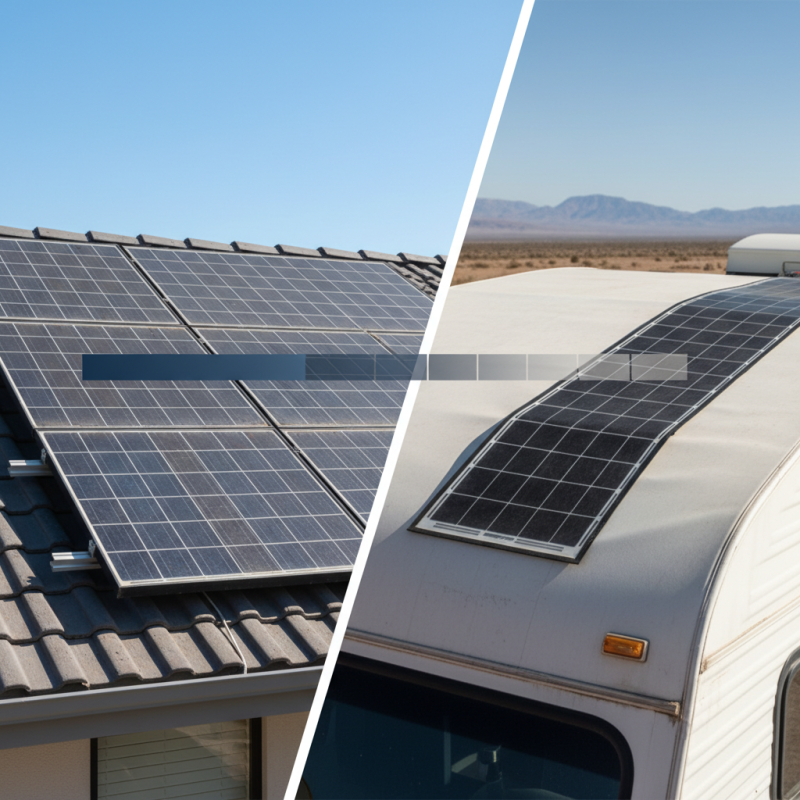
Comparison of Flexible and Rigid Solar Panel Lifespan
When comparing the lifespan of flexible versus rigid solar panels, several factors impact their durability and performance. Rigid solar panels typically have a lifespan of 25 to 30 years. This is due to their sturdy construction using tempered glass and aluminum framing. In contrast, flexible solar panels generally last between 10 to 20 years. Their lightweight design often sacrifices some durability.
Research indicates that rigid panels maintain around 90% of their efficiency after 25 years. Flexible panels, however, may only retain about 80% efficiency after 15 years. The materials used in flexible panels, like polymers, can degrade faster under UV exposure. Furthermore, flexible panels are more prone to physical damage, especially in harsh weather conditions.
Maintenance also plays a role in longevity. Rigid panels usually require less upkeep. They are often easier to clean due to their flat surfaces. Flexible panels, on the other hand, may need more frequent checks for wear. These differences highlight the need for careful consideration when choosing solar panel types based on specific needs and environments.
Factors Influencing the Lifespan of Solar Panels
The lifespan of solar panels can vary significantly based on several factors. One key aspect is the type of solar panel used.
Flexible solar panels are typically lighter and easier to install, yet they often have a shorter lifespan compared to rigid panels. Rigid panels are made with more durable materials,
which can enhance durability against weather conditions.
Environmental factors greatly influence the longevity of solar panels. Panels exposed to harsh climates may degrade faster. For example, constant exposure to high temperatures can reduce efficiency. On the other hand, panels installed in shaded or cooler areas may last longer, but they also produce less energy.
Maintenance plays an essential role in extending panel lifespan. Regular cleaning and inspections can detect issues early, preventing larger problems. Users sometimes overlook this aspect, believing solar panels are maintenance-free. It's vital to address such misconceptions.
Engaging professionals for assessments can bring peace of mind and ensure optimal performance over the years.
Performance Degradation Over Time for Different Solar Types
The lifespan of solar panels is a key consideration for anyone interested in renewable energy. Flexible solar panels tend to degrade at a different rate than their rigid counterparts. Over time, the performance of flexible panels can decline more rapidly. They are often made from materials that are less durable, leading to quicker wear and tear.
Rigid solar panels typically have a lifespan of 25 years or more. They are built using glass and aluminum, which offer greater protection against environmental factors. However, they may still experience degradation. This can result from exposure to UV rays, temperature fluctuations, and mechanical stresses. Research indicates that both types can lose efficiency, but the rate varies significantly.
While discussing degradation, it's essential to acknowledge that flexible panels may offer unique advantages. They are lightweight and easier to install in unconventional spaces. However, users should be wary of their reduced long-term output. This poses a dilemma for those considering which option to pursue. Balancing immediate benefits with potential long-term losses becomes crucial. Understanding these aspects aids informed decision-making for solar energy systems.
Maintenance Practices to Extend Solar Panel Lifespan
To maximize the lifespan of solar panels, maintenance practices play a crucial role. Regular cleaning of the solar panels can significantly improve efficiency. Dust and debris can accumulate, blocking sunlight and reducing energy production. According to a study by the National Renewable Energy Laboratory, neglecting to clean panels can lower their output by up to 25%. This highlights the necessity of routine maintenance.
Another vital aspect is monitoring the system's performance. Keeping track of energy output can help identify issues early. If an unexpected drop occurs, it may indicate a problem that needs addressing. The Solar Energy Industries Association recommends conducting performance checks at least twice a year. Many users overlook this step, assuming the system operates without issues. Yet, early detection can prevent more significant failures, which can be costly.
Lastly, environmental factors can impact the longevity of solar panels. For example, panels in coastal areas could be exposed to more corrosion from salt. Regular inspections can uncover such vulnerabilities. A study indicated that panels in harsh environments may need replacement sooner than expected. Engaging with experienced technicians for periodic assessments ensures that flexibility and durability are optimized in your solar investment.
Lifespan Comparison of Flexible vs Rigid Solar Panels
The chart above illustrates the average lifespan of flexible solar panels compared to rigid solar panels. Flexible solar panels typically have a lifespan of around 20 years, while rigid solar panels last approximately 25 years. Understanding these differences can help in making informed decisions regarding solar panel investments.
End-of-Life Options for Flexible and Rigid Solar Panels
Flexible and rigid solar panels offer different end-of-life options.
Rigid panels typically last longer, around 25 to 30 years.
Their durability makes disposal easier. They can often be recycled. This process recovers valuable materials like silicon and glass. Yet, recycling rigid panels can face logistical challenges. Not all facilities accept them, leading to potential waste issues.
Flexible panels, on the other hand, have a shorter lifespan of about 10 to 15 years. Their lightweight nature makes them versatile. However, their recycling options may be limited. Often, they contain materials that are harder to process. This can lead to more difficult end-of-life decisions. Landfills may become the end point for many used flexible panels.
Both panel types pose challenges. The need for better recycling technologies is evident. Sustainable solutions are lacking for flexible panels. Consumers should actively seek information on local recycling options. Working together, we can improve the overall sustainability of solar technology.
FAQS
: The type of solar panel used and environmental conditions greatly impact their lifespan.
No, flexible panels usually have a shorter lifespan compared to rigid panels.
Regular cleaning and inspections can significantly extend the lifespan and efficiency of solar panels.
Neglecting to clean them can reduce energy output by up to 25%.
It's recommended to conduct performance checks at least twice a year to identify issues early.
Panels in extreme weather or coastal areas may degrade faster and need more frequent inspections.
Rigid panels can often be recycled, but logistical challenges may arise in the disposal process.
No, flexible panels might have limited recycling options and can lead to waste issues.
Current options for recycling flexible panels are inadequate, causing environmental concerns.
They should actively seek local recycling options and stay informed to improve sustainability.
Conclusion
The lifespan of solar panels is a critical factor to consider when choosing between flexible and rigid options. In the article titled "What is the lifespan of flexible vs rigid solar panels?", a comparison reveals that rigid solar panels typically have a longer lifespan, often exceeding 25 years, while flexible panels generally last around 10 to 20 years. Various factors influence these lifespans, including material durability, environmental conditions, and installation methods.
Performance degradation is another important aspect; both types of panels experience a decrease in efficiency over time, but the rate may differ. Implementing proper maintenance practices can significantly extend the lifespan of both flexible and rigid panels. Lastly, the article discusses end-of-life options, emphasizing the importance of sustainable disposal and recycling for both types of solar technology. Understanding these elements helps consumers make informed decisions regarding solar investments.

 Sypower Solar