Lifespan Comparison of Flexible and Rigid Solar Panels?

Time:2026-07-29 Author:Sienna
0%

The demand for renewable energy has grown significantly. Solar panels are at the forefront of this green revolution. Among the options available, flexible and rigid solar panels stand out. Each type offers distinct advantages and challenges.

What is the lifespan of flexible vs rigid solar panels? This question calls for a thorough exploration of both technologies. Rigid panels often promise durability and efficiency. They are usually made from tempered glass, which enhances their longevity. Flexible panels, on the other hand, utilize lighter materials. They may not match rigid panels in longevity, but they are easier to install.

Understanding the lifespan of these panels is crucial for homeowners and businesses alike. It influences purchasing decisions and future energy needs. The choice between flexible and rigid panels can lead to lasting implications. Investigating their lifespan can reveal deeper insights into which option suits varied requirements. Balancing durability, cost, and efficiency is essential in making an informed choice.
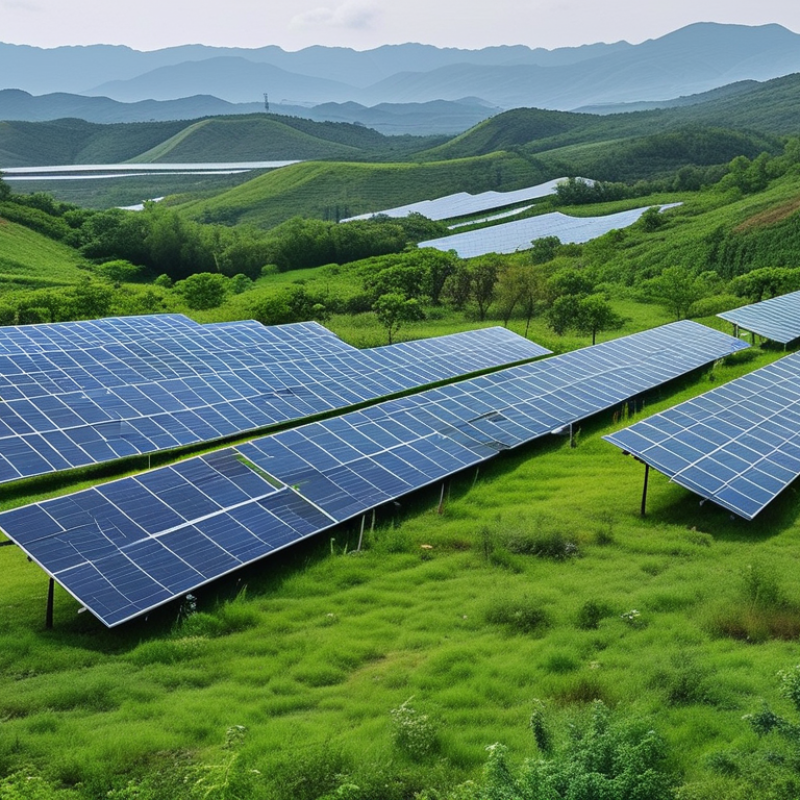
Lifespan Comparison of Flexible and Rigid Solar Panels?

Lifespan Factors for Flexible Solar Panels Versus Rigid Solar Panels

Flexible solar panels have gained popularity due to their lightweight design and versatility. However, their lifespan often raises questions. In contrast, rigid solar panels are known for their durability and longevity. Understanding the factors influencing their lifespan is crucial for making informed choices.

Environmental conditions play a significant role in the lifespan of both types. Flexible panels may degrade faster in extreme temperatures or high UV exposure. Rigid panels typically withstand harsh weather but can experience issues like micro-cracking. Installation quality also affects longevity. Proper alignment and secure mounting are essential.

Tips for choosing solar panels:

  • Consider the climate in your area. If you live in a sunny place, rigid panels may offer better durability.
  • Maintenance is key. Regular checks can prolong the life of flexible panels.
  • Lastly, think about your energy needs and the space available. Choosing wisely can save you money long-term and maximize efficiency.

Material Durability: A Key Aspect in Lifespan Comparison

Material durability plays a crucial role in the lifespan comparison between flexible and rigid solar panels. Rigid panels typically use glass and aluminum, offering strong resistance to weather conditions. In a recent industry report, manufacturers claim a lifespan of 25-30 years for rigid panels, primarily due to their robust construction. This durability often results in a lower replacement frequency. However, the weight of these panels can complicate installation and limit certain applications.

On the other hand, flexible panels employ polymers, making them lightweight and easier to install. They can be integrated into various surfaces. However, they often display reduced durability, with a lifespan of around 10-20 years, as noted by researchers in solar technology. Their vulnerability to extreme weather and physical stress raises concerns. Yet, flexible panels have the advantage in applications where weight and aesthetics are critical. This trade-off between durability and flexibility requires careful consideration for project planning.

Industry experts suggest that while both types have their pros and cons, the choice often depends on specific needs. Analysis reveals the importance of aligning material choice with intended use, environmental conditions, and budget constraints. Understanding the nuances of these materials can guide consumers toward informed decisions, but the long-term performance remains a topic of ongoing evaluation.

Impact of Environmental Conditions on Solar Panel Lifespan

Environmental conditions significantly impact the lifespan of solar panels. Research indicates that temperature fluctuations can lead to thermal cycling stress. Solar panels exposed to frequent high temperatures can degrade faster, with studies noting performance drops of up to 10% in hotter climates. In regions with high humidity, mold and corrosion can also affect panel longevity.

Additionally, UV radiation plays a crucial role. Continuous exposure can weaken the materials of both flexible and rigid panels. A report by the National Renewable Energy Laboratory found that UV degradation reduces efficiency over time. Interestingly, while flexible panels often show adaptability in certain conditions, they may not last as long under extreme weather.

Dust accumulation can also diminish the energy output of panels. Dirty surfaces can result in a drop of up to 20% in efficiency. Regular maintenance is essential. Some users may overlook this aspect, leading to suboptimal performance in both panel types. Understanding these environmental factors is vital for making informed choices in solar energy systems.

Lifespan Comparison of Flexible and Rigid Solar Panels - Impact of Environmental Conditions on Solar Panel Lifespan

Solar Panel Type Average Lifespan (Years) Temperature Range (°C) Humidity Impact (%) UV Resistance Rating
Flexible 10-15 -40 to 85 20-30 Moderate
Rigid 20-30 -40 to 90 10-20 High

Maintenance Requirements and Their Effect on Lifespan

When comparing the lifespan of flexible and rigid solar panels, maintenance plays a crucial role. Common industry estimates suggest that rigid panels can last 25 to 30 years with proper care. On the other hand, flexible panels often have a shorter lifespan, ranging from 10 to 20 years. However, their lightweight and flexible nature can make installation easier in some applications.

Regular inspections are vital for both types of panels. Dust and debris can accumulate, reducing efficiency. A 2022 report from the Renewable Energy Society indicates that neglecting cleaning can decrease efficiency by up to 20%. For flexible panels, UV exposure can degrade materials faster, necessitating regular checks for wear and tear. Maintaining the surface condition not only prolongs lifespan but also optimizes energy output.

Tips: Always use a soft cloth for cleaning solar panels. Avoid harsh chemicals that can damage surfaces. Consider professional maintenance every few years to identify hidden issues. Ignoring maintenance could lead to unexpected costs and lower efficient energy production in the long run.

Long-Term Performance: Efficiency Degradation Over Time

When considering solar panels, efficiency degradation over time is a crucial factor. Flexible and rigid solar panels have different performance trajectories. Rigid panels may show a gradual efficiency decline of around 0.5% per year. This can lead to a 20% loss over 40 years. Flexible panels, while lightweight and versatile, may degrade faster. Some studies suggest rates higher than 1% annually. This variability can affect overall energy output.

Environmental conditions play a significant role in this degradation. Factors such as humidity, temperature fluctuations, and exposure to UV light can impact both types. Rigidity often allows for better heat dissipation. This trait can lead to slower efficiency loss. However, flexible panels can perform better in low-light conditions, making them suitable for diverse settings.

It's important to remember that all panels have their pros and cons. The initial cost of installation is just one factor. Evaluating long-term performance is essential for making informed decisions. Sometimes, what seems optimal initially may not be the best option over time. Careful consideration of these aspects will help in choosing the right type of solar panel.

Lifespan Comparison of Flexible and Rigid Solar Panels

This chart illustrates the long-term performance of flexible versus rigid solar panels over a period of 20 years. As shown, flexible solar panels exhibit a more significant efficiency degradation compared to rigid solar panels over time.

FAQS

: How do environmental conditions affect solar panel lifespan?

: Environmental conditions significantly impact lifespan. High temperatures and humidity can lead to faster degradation and reduced performance.

What is the impact of temperature fluctuations on solar panels?

Temperature fluctuations cause thermal cycling stress, which can lead to performance drops, especially in hotter climates.

How does dust accumulation impact solar panel efficiency?

Dust on solar panels can result in efficiency drops of up to 20%. Regular cleaning is crucial for optimal performance.

What maintenance is recommended for solar panels?

Regular inspections and cleaning are vital. Use a soft cloth for cleaning and avoid harsh chemicals.

What is the typical lifespan of flexible vs. rigid solar panels?

Rigid panels last 25 to 30 years with proper care, while flexible panels often last 10 to 20 years.

How does UV exposure affect solar panels?

Continuous UV exposure weakens panel materials. Flexible panels may degrade faster under extreme conditions due to UV damage.

What are the efficiency degradation rates for solar panels?

Rigid panels degrade by about 0.5% per year, while flexible panels may degrade faster, over 1% annually.

Why is maintenance often overlooked by users?

Some users may neglect maintenance, leading to unexpected costs and lower energy production efficiency over time.

How can installation conditions influence panel choice?

Flexible panels are easier to install but may not last as long under harsh weather, making careful evaluation necessary.

What should users consider for long-term performance?

Beyond initial costs, consider factors like environmental conditions and maintenance needs to ensure optimal long-term performance.

Conclusion

The lifespan of flexible versus rigid solar panels is influenced by various factors, including material durability and environmental conditions. Generally, rigid solar panels tend to last longer due to their solid construction, which often incorporates more durable materials. In contrast, flexible solar panels, while lightweight and versatile, may experience a shorter lifespan primarily due to the nature of their materials and structural design.

Additionally, environmental conditions such as temperature fluctuations, humidity, and exposure to sunlight play a significant role in determining the lifespan of both types of panels. Maintenance requirements also differ; regular upkeep can prolong the lifespan of both flexible and rigid panels, but the level of care needed may vary. Ultimately, the question "What is the lifespan of flexible vs rigid solar panels?" highlights the importance of considering these factors for making an informed decision regarding solar panel selection for long-term energy solutions.

Sienna

Sienna

Sienna is a skilled marketing professional with a deep expertise in our company’s core products and services. With a passion for innovation and detail, she plays a pivotal role in crafting insightful blog posts that not only highlight the unique features of our offerings but also provide valuable......