Integrating solar panels into glass facades is an evolving topic in sustainable architecture. Experts in this field are keen to explore efficient methods to achieve this integration. For instance, Dr. Helen Thompson, a renowned architect, once stated, "The future of buildings lies in the seamless blending of technology and design." Her perspective highlights the essential balance between aesthetic appeal and functional innovation.
When considering *how to integrate solar panels into a glass facade design?*, it is crucial to address both visual coherence and energy efficiency. Current technologies allow for thin solar films that can be embedded within glass. This innovation enables the preservation of natural light while harnessing solar energy. However, one must remain cautious about potential issues, such as glare or reduced transparency, which may impact the building’s appearance.
Designers must also evaluate the structural implications of adding solar panels. The weight distribution and installation methods can pose challenges. Each project requires careful planning and collaboration with engineers. Every detail matters. Reflecting on these complexities can lead to breakthroughs in the integration process. Balancing aesthetics and functionality will be vital in shaping the future of solar-integrated buildings.
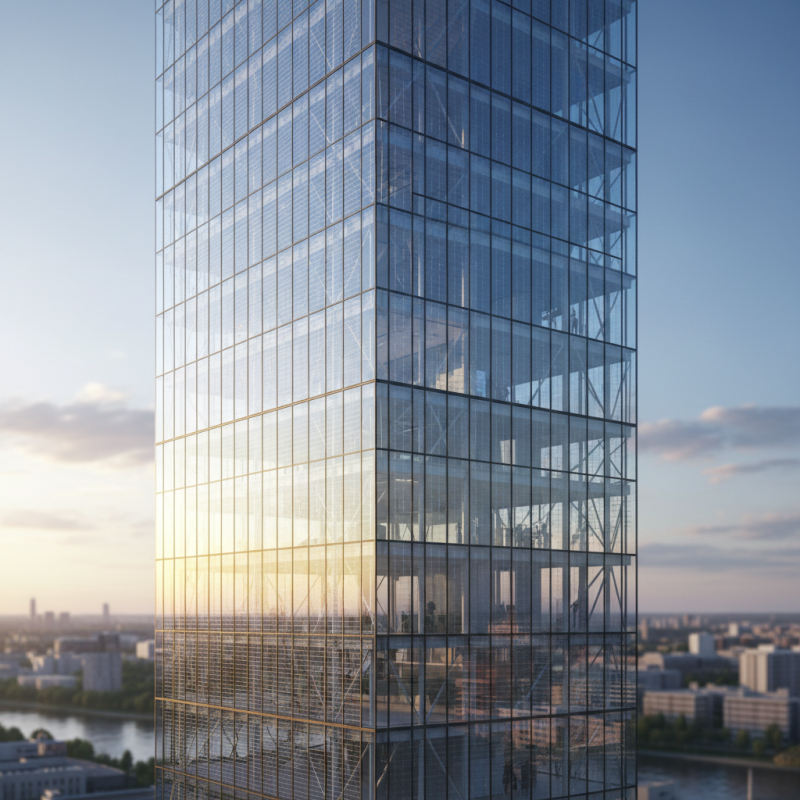
Integrating solar panels into glass facades offers numerous advantages. One benefit is energy efficiency. When solar panels are incorporated into the facade, they harness sunlight to generate electricity. This can lead to a reduction in energy bills. Moreover, these installations can serve aesthetic purposes as well. They can appear sleek and modern while contributing to a building's design.
Another significant advantage is sustainability. Incorporating solar technology into architecture promotes the use of renewable energy. This leads to a lower carbon footprint, addressing climate change concerns. Buildings with solar-integrated facades can set an example for future designs. However, challenges such as cost and structural integrity must be considered. Installation can be complex and may require specialized knowledge.
Furthermore, maintenance is essential for optimal performance. Regular cleaning and inspections are important to ensure that the solar panels are functioning effectively. Some installations may not achieve their full potential due to poor placement or various environmental factors. It’s crucial to evaluate these challenges and adjust designs accordingly for better integration.
Integrating solar panels into glass facades presents unique challenges and opportunities. Several technologies have emerged as suitable options in recent years. BIPV (Building-Integrated Photovoltaics) is one of the leading technologies. BIPV can seamlessly blend with building materials like glass. This reduces the need for separate structures while maintaining aesthetic appeal.
Another option is transparent solar cells. These cells can be installed in windows without obstructing views. Reports indicate that transparent solar technology could generate substantial energy, potentially meeting up to 50% of a building's energy needs. However, their efficiency remains lower than traditional panels. The current efficiency of transparent solar cells averages around 10%, raising questions about their practicality.
In addition to BIPV and transparent technologies, thin-film solar panels are gaining traction. These panels are lightweight and flexible, making them easy to integrate into varying facade styles. Yet, they tend to have lower performance in low-light conditions. Data from industry studies suggest that while thin-film technologies can serve niche markets, they may not be the best choice for all applications.
These options underline the need for careful evaluation. Each technology has its pros and cons. There is no one-size-fits-all solution. Understanding these nuances is crucial for effective integration into glass facades.
| Technology Type | Description | Efficiency (%) | Translucency (%) | Integration Level |
|---|---|---|---|---|
| BIPV (Building Integrated Photovoltaics) | Solar cells integrated into building materials, providing electricity generation. | 15-25% | 30-70% | High |
| Transparent Solar Panels | Allows light to pass through while capturing energy from sunlight. | 7-10% | 40-90% | Medium |
| Solar Glazing | Glass that contains solar cells embedded in the material. | 10-20% | 50-80% | High |
| Organic Photovoltaics (OPV) | A flexible, lightweight technology suitable for various surfaces. | 5-12% | 30-60% | Medium |
Integrating solar panels into glass facades presents unique opportunities and challenges. One key design consideration is the alignment of solar modules with the building’s architecture. This requires careful planning to maintain aesthetic appeal while maximizing energy efficiency. The use of translucent or semi-transparent solar panels can help achieve this balance. They provide energy generation without compromising natural light in interior spaces.
Another important aspect is the choice of materials. High-performing, durable glass should be selected to withstand environmental stresses. The mounting system must be discreet to ensure that the overall appearance remains sleek and modern. Reflective solar panels can blend naturally with their surroundings, enhancing the building’s facade. However, attention must be paid to potential glare issues for nearby pedestrians.
Moreover, the integration process itself can be complex. Designing for structural integrity is essential to prevent water infiltration. This often involves intricate detailing at junctions and seams. Developers and architects often find that achieving seamless integration requires multiple revisions and collaborative discussions. Emphasizing the importance of teamwork in this stage can lead to innovative solutions that successfully meet both functional and aesthetic goals.
Installing solar panels on glass facades involves unique challenges and techniques. Choosing the right mounting system is essential. It should accommodate the glass's structural limitations while ensuring optimal solar exposure.
Lightweight and flexible panels often work best. They seamlessly integrate without compromising aesthetics.
Employing adhesive systems can provide a clean look. These adhesives must be durable and weather-resistant. Careful application is crucial; bubbles or misalignments can reduce efficiency. Monitoring the panel's temperature is also important. High heat can affect adhesion over time, leading to failure.
Regular inspections should be part of maintenance plans. These help identify potential issues early. Moreover, integrating solar panels requires collaboration with architects and engineers. Their input ensures the design meets both functional and aesthetic needs. Experimentation may be necessary to find the best solutions. Each building's unique environment adds layers of complexity.
Integrating solar panels into glass facades presents unique maintenance challenges. According to a report by the International Energy Agency, regular inspection is crucial for optimal performance. Dirty glass surfaces can reduce solar energy absorption by nearly 30%. Thus, maintenance routines must include cleaning and checks for damage.
Performance monitoring is essential for ensuring the longevity of integrated solar systems. Advanced monitoring tools can track energy output and identify system failures promptly. A study published in the Journal of Solar Energy Engineering shows that real-time monitoring can improve system efficiency by up to 15%. However, relying solely on technology is flawed. Human oversight remains vital to interpret data accurately and respond to potential issues.
Furthermore, the integration process itself can lead to complications. Poor installation can cause water leakage and structural damage. These issues highlight the need for skilled professionals trained in both solar technology and building design. Ongoing training and development in this niche area are necessary to address potential gaps in expertise.
: It enhances energy efficiency, reduces energy bills, and promotes sustainability.
They can appear modern and sleek, contributing positively to the building's design.
Challenges include costs, complexity of installation, and ensuring structural integrity.
Regular cleaning and inspections ensure optimal performance and longevity of the panels.
Poor placement, environmental factors, and dirty surfaces can reduce energy absorption.
Careful planning is needed to balance aesthetics and energy efficiency for integration.
Durable glass and discreet mounting systems maintain an attractive and modern look.
It tracks energy output and identifies failures, improving overall efficiency significantly.
Humans are essential for accurately interpreting data and addressing potential issues quickly.
Issues can include water leakage and structural damage, underscoring the need for expertise.
Integrating solar panels into glass facades offers numerous benefits, including enhanced energy efficiency and aesthetic appeal. To answer the question, "How to integrate solar panels into a glass facade design?" one must consider various solar technologies that are compatible with glass surfaces, such as building-integrated photovoltaics (BIPV). The design process should focus on achieving seamless integration, ensuring that both functionality and visual harmony are maintained.
Additionally, effective installation techniques are crucial for ensuring the durability and performance of the solar panels. Regular maintenance and performance monitoring are also essential to maximize the energy output and longevity of the integrated systems. By addressing these considerations, architects and builders can create innovative and sustainable buildings that utilize solar energy effectively, aligning with modern environmental goals.

Sypower Solar