As solar technology advances, flexible solar panels are becoming a popular choice for unconventional roofs. Their adaptability makes them ideal for curved surfaces, where traditional panels may fail. According to a report from the Solar Energy Industries Association, the market for flexible solar technology has grown by over 25% annually in recent years. This trend is important for homeowners looking to maximize energy production without compromising aesthetics.
Experts in the field emphasize the importance of proper installation. Dr. Emily Carter, a leading researcher in solar panel technology, notes, "Understanding the nuances of how to install flexible solar panels on a curved roof is critical for optimal performance." This highlights the need for careful consideration and precision in the installation process. Each curved surface presents unique challenges, from adhesion to ensuring a secure fit.
Moreover, while incorporating flexible panels can yield excellent results, it is crucial to reflect on potential pitfalls. Many DIY enthusiasts underestimate the complexities involved. Choosing high-quality materials and consulting experienced professionals may help mitigate risks. Without proper knowledge, installation errors can lead to reduced efficiency or damage. Even with innovations in the industry, diligence in installation remains a vital aspect of harnessing solar energy effectively.
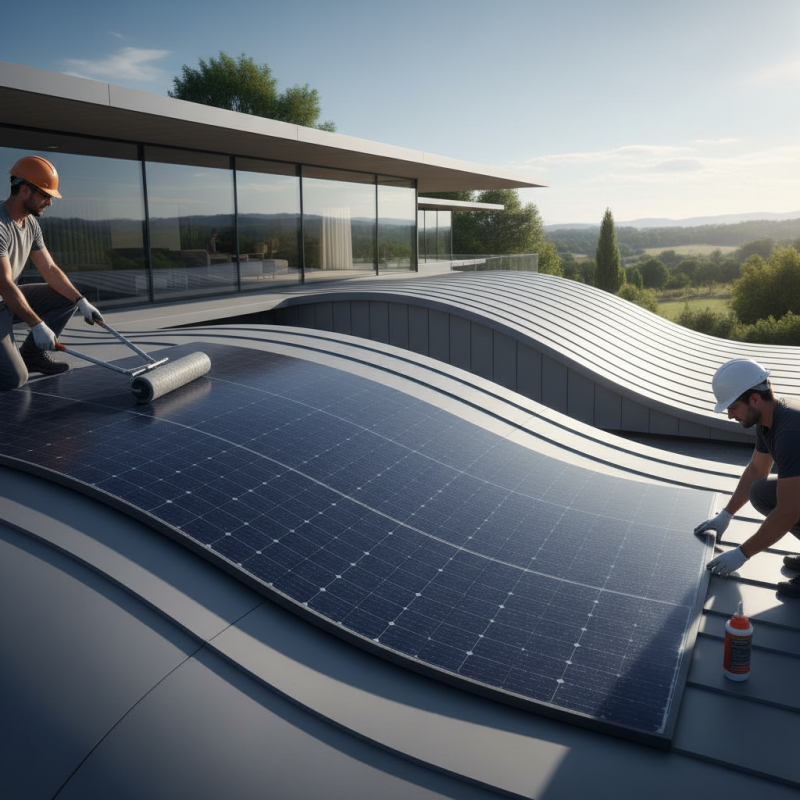
When selecting flexible solar panels for curved roofs, the right choice can significantly impact efficiency and installation ease. Flexible panels are typically lightweight and can conform to various shapes. A report from the National Renewable Energy Laboratory showed that flexible solar panels can achieve up to 22% efficiency, which is comparable to traditional panels.
Installation considerations are crucial. The curvature of the roof may affect how these panels adhere. Some flexible panels use advanced adhesives, allowing better flexibility but may require more careful handling during installation. A 2022 study indicated that improper installation can reduce overall system efficiency by 10%.
Material quality is another important factor. Panels made from monocrystalline silicon tend to offer better performance in low-light conditions. However, they can be more fragile. Weighing performance against durability is essential. Users should also check for proper warranties to ensure long-term reliability.
Preparing a curved roof surface for flexible solar panel installation requires careful planning. Start by assessing the roof's condition. Clean the surface thoroughly to remove dirt and debris. A clean surface ensures better adhesion for mounting materials. Check for any cracks or damage that might affect installation. Repair any issues before proceeding.
Choosing the right mounting method is essential. If using adhesive, ensure it is suitable for curved surfaces. Use a level to mark where panels will be installed. This helps maintain alignment and maximizes energy capture. Verify that the solar panels are compatible with the roof’s curvature. This might involve bending or shaping them slightly.
Tips: Test the adhesive on a small area first. This helps avoid large mistakes. Keep an eye on the weather. Rain can ruin the installation process. Be ready to adjust your plans accordingly. Working on a curved roof can be tricky, so double-check your measurements. A mistake here can lead to wasted efforts and materials.
Installing flexible solar panels on curved roofs can be a straightforward process if approached methodically. Flexible solar panels are lightweight and can easily conform to various shapes, making them an ideal choice for non-traditional surfaces. According to a report from the Solar Energy Industries Association, solar installations in the U.S. have increased by over 200% in recent years. This surge highlights the importance of adopting renewable energy solutions.
Begin by assessing the curvature of your roof. Ensure the surface is free from debris and structural damage. Clear and level surfaces are crucial for successful adhesion. You will need mounting hardware designed for flexible panels, which can be secured using appropriate adhesives or fasteners. Many users overlook manufacturer guidelines for optimal installation conditions, leading to performance issues later on.
It’s essential to connect the panels to the electrical systems correctly. This includes integrating an inverter that can handle the output effectively. Mistakes in this phase can lead to inefficiencies, affecting energy output. Additionally, always consider the warranty terms; improper installation could void them. Research indicates that improper installation is a leading cause of failures, thus emphasizing the need for careful execution at each step.
When connecting flexible solar panels to an electrical system, proper wiring is essential. Flexible panels often come with connectors to facilitate this process. Each panel usually produces 12 volts, contributing to the overall system voltage when wired in series. According to the Solar Energy Industries Association (SEIA), efficient wiring practices can increase the system's energy conversion rate by up to 20%.
The installation should focus on safety and efficiency. Ensure all components, including the charge controller and inverter, are compatible with the flexible panels. A mismatch can lead to energy loss or system failure. Additionally, consulting recent studies indicates that flexible systems perform best under certain angles. If not properly installed, performance may significantly decrease.
Tight connections are crucial for maintaining the electrical integrity of the system. Regularly check for wear and tear, especially in curved installations. Industry reports suggest that neglecting these checks can lead to a 30% decrease in efficiency over time. Flexible panels provide unique installation opportunities, but careful consideration is essential to maximize their benefits.
| Component | Description | Material | Weight (kg) | Efficiency (%) |
|---|---|---|---|---|
| Flexible Solar Panel | Lightweight, adaptable to curves | Polymer | 4.5 | 18 |
| Solar Charge Controller | Regulates power flow | Aluminum | 1.2 | N/A |
| Battery Storage | Stores energy for use | Lithium-ion | 5.0 | N/A |
| Inverter | Converts DC to AC | Plastic/Metal | 3.0 | 95 |
Maintaining flexible solar panel installations on curved roofs requires attention and care. Regular visual inspections are essential. Look for signs of wear, like peeling edges or discoloration. Check the connections frequently. Loose wires can lead to inefficiencies. Identifying these issues early can prevent costly repairs down the line.
In the event of reduced energy output, troubleshooting is crucial. Start by assessing the panel’s surface. Dirt or debris can significantly hinder performance. Clean the panels with a soft cloth and mild soap. This simple action can often restore efficiency. Also, consider the angle of the panels. They should follow the roof's curvature closely. Gaps can be problematic, leading to water infiltration or even structural damage.
It's important to acknowledge that flexible panels may not last as long as traditional ones. Adverse weather conditions can accelerate wear. Be prepared for possible repairs or replacements. Keeping an eye on the panels will help you catch small problems before they escalate. Regular maintenance ensures that your investment yields energy efficiently for years to come.
: Consider their efficiency, installation guidelines, and material quality for best results.
The curvature impacts how well panels adhere, requiring careful handling during the process.
Improper installation can reduce efficiency by up to 10%, affecting overall energy output.
Monocrystalline silicon typically performs better, but it is more fragile and requires care.
Assess the roof curvature and ensure the surface is clean and undamaged.
You need specialized mounting hardware and appropriate adhesives or fasteners.
Ensure correct integration with an inverter and follow manufacturer guidelines closely.
Improper installation might void warranties, leading to potential financial loss.
Many users overlook these, leading to performance issues that could have been avoided.
Not ensuring a clear and level surface can result in poor adhesion and performance later.
In the article titled "How to Install Flexible Solar Panels on Curved Roofs Easily?", several key steps are outlined to guide homeowners through the installation process. It begins by discussing how to choose the right flexible solar panels specifically designed for curved roofs, taking into account factors like flexibility and adhesive backing. Next, preparing the curved roof surface for installation is crucial to ensure a proper fit and durability.
The article provides a comprehensive step-by-step guide to installing the panels, detailing how to securely mount them on the roof while ensuring optimal orientation for sunlight exposure. It also covers connecting the flexible solar panels to the electrical system safely and efficiently. Finally, maintaining and troubleshooting flexible solar panel installations is emphasized to optimize performance over time. By following this guide, readers will gain the knowledge necessary to answer the question, "How to install flexible solar panels on a curved roof?" effectively.

Sypower Solar