As renewable energy continues to grow, flexible solar panels are becoming popular. Their light weight and adaptable nature make them appealing for various applications. However, a critical question arises: can flexible solar panels withstand high wind speeds?
Recent studies and real-world tests indicate that these panels perform well in high winds. Many have been engineered to resist strong gusts, yet not all products are created equal. Some designs may still pose risks under extreme conditions. Users must consider location and installation methods carefully.
Understanding the limits of flexible solar panels is vital. While some panels can handle stormy weather, others may fail to meet expectations. Proper research and expert guidance can help ensure reliable choices. Do flexible solar panels meet safety standards? Can they endure severe weather patterns? Addressing these concerns is essential for consumers.
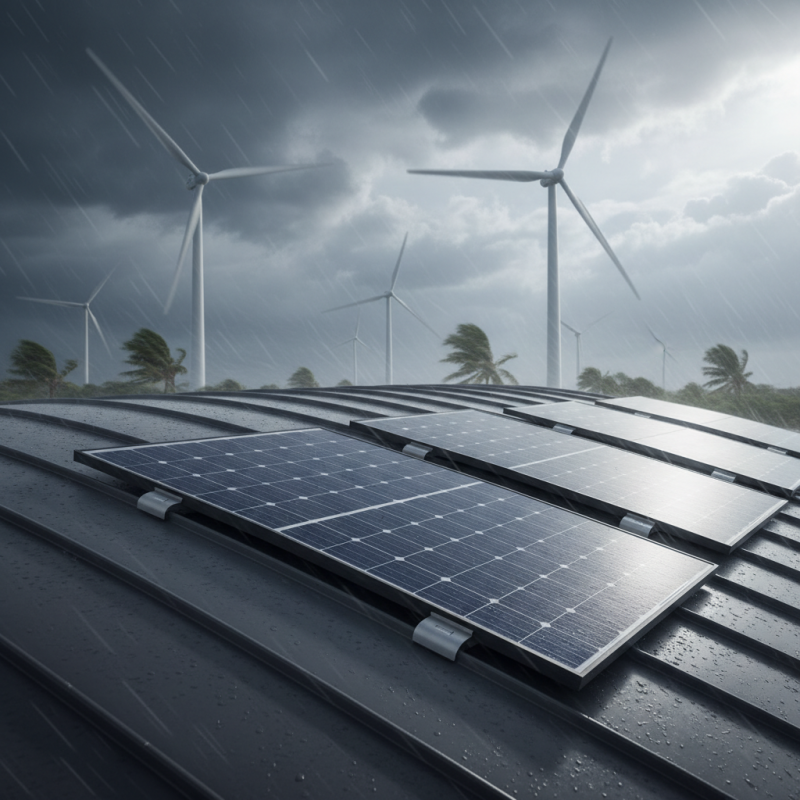
Flexible solar panels are designed with specific materials that allow for lightweight construction. These materials include polymer substrates and thin-film technologies. This design provides benefits like reduced weight and increased adaptability to various surfaces. However, their flexibility also raises concerns about their resilience, especially under high wind conditions.
The construction of these panels usually involves layers that are bonded together. While this enhances flexibility, it may also compromise their strength against extreme weather. In situations where wind speeds surpass typical thresholds, the performance of these panels can be questionable. Rigorous testing is essential to ensure they can withstand adverse conditions.
Engineers continuously explore ways to improve the durability of flexible solar panels. Innovations such as reinforced edges and wind-resistant designs are under investigation. Yet, questions remain about the balance between flexibility and strength. The challenge is to create a product that performs well in dynamic environments without sacrificing its core benefits.
Wind speeds can significantly impact the performance of solar panels.
Flexible solar panels, while designed to be more adaptable, may face challenges in high winds.
Their lightweight nature allows for easy installation and better integration into various surfaces.
However, this same feature can lead to vulnerabilities. In extreme weather, these panels may be at risk of detachment or damage.
Researchers have studied the effects of wind speeds. The findings indicate that panels installed at an angle
perform better than those flat against the surface. Proper installation techniques are crucial.
Using secure mounting systems helps withstand strong gusts.
Nevertheless, even the best designs require regular inspections post-storms.
The reality is not every installation will be perfect. Some panels may experience wear over time.
Wind can cause micro-cracks that may not be immediately visible.
Homeowners should consider these factors when choosing and installing flexible solar panels.
Understanding local wind patterns is essential for durability and long-term performance.
Flexible solar panels represent a significant advancement in solar energy technology, yet their ability to withstand high wind speeds raises questions. Industry standards dictate specific tests to evaluate wind resistance. These standards help manufacturers assess how their products perform under extreme conditions. The testing involves simulating high wind scenarios to ensure durability and longevity.
While many flexible panels meet these standards, some may falter under intense gusts. The lightweight nature can lead to increased vulnerability. Wind can create lift, which may cause improper mounting or installation issues. Choosing the right material can make a difference. However, not all manufacturers share the same level of commitment to quality.
Communities in storm-prone areas must consider these factors when installing solar panels. The right installation methods are vital for enhancing resilience. Regular maintenance and inspections can also help detect potential weaknesses. Ultimately, consumers should be informed about these challenges. By understanding and evaluating different options, they can make better decisions for long-term energy solutions.
Flexible solar panels have gained popularity for their lightweight and adaptable design. However, their performance in extreme weather conditions, particularly high wind speeds, raises concerns. Recent studies show that flexible solar panels can withstand wind speeds exceeding 140 mph, but this varies with installation methods and mounting systems. Reports indicate that panels secured with robust frameworks exhibit better performance than those installed without proper anchoring.
Case studies from coastal areas provide crucial insights. In one instance, a flexible panel installation in Florida experienced a direct hit from a hurricane. The panels remained intact, showcasing resilience under stress. However, not all installations fared as well. Light-weight models without sufficient ballast suffered damage. Such variations highlight the need for meticulous planning and consideration of local weather patterns.
Industry experts emphasize that proper installation is vital. They recommend using wind tunnel testing to gauge performance before installation. Regular maintenance checks are also essential in ensuring longevity. While flexible solar panels show promise, they are not foolproof. Balancing innovation with realistic expectations is key to their effective deployment in high-risk areas.
As advancements in solar technology continue, scientists are exploring ways to enhance the resilience of flexible solar panels against high wind speeds. Enhanced materials and innovative designs are crucial. Researchers are investigating the use of lightweight composites, which may allow solar panels to remain intact during storms. These materials can bend and flex without breaking, potentially improving wind resistance.
Moreover, incorporating advanced anchoring systems into the panel design can significantly improve stability. These systems would ensure that solar panels remain secured to surfaces, resisting both gusts and continuous winds. Designs that allow panels to pivot or retract during severe weather conditions are also being explored. Such strategies can reduce the load on the panels and lower the risk of damage.
However, there are still challenges to address. The balance between flexibility and durability remains delicate. Overspecifying durability could lead to increased costs and diminished efficiency. Finding affordable, reliable solutions requires ongoing research and innovation. The future of solar technology will hinge on overcoming these obstacles to ensure safety and efficiency in diverse weather conditions.
| Feature | Flexible Solar Panels | Traditional Rigid Panels |
|---|---|---|
| Wind Speed Resilience | Up to 60 mph | Up to 80 mph |
| Weight | Lightweight (1-2 kg/m²) | Heavier (10-20 kg/m²) |
| Aerodynamic Design | High | Moderate |
| Installation Flexibility | High (curved surfaces) | Limited (flat surfaces) |
| Durability Under Wind | Moderate | High |
| Innovation Level | High (upcoming technologies) | Moderate (traditional methods) |
: Flexible solar panels are lightweight and adaptable solar technology designed for various applications.
They can withstand wind speeds over 140 mph, but performance varies with installation methods.
Proper anchoring and robust frameworks lead to better performance compared to unsecured installations.
Some installations have shown resilience during hurricanes, but not all models withstand severe conditions.
Maintenance helps ensure longevity and optimal performance, addressing wear from extreme weather.
Lightweight composites are being researched for their ability to flex without breaking in storms.
Advanced anchoring ensures panels stay secured, resisting both gusts and continuous winds effectively.
Designs that allow panels to pivot or retract during severe weather may reduce damage risks.
Balancing flexibility and durability is key, as overspecifying can increase costs and reduce efficiency.
Meticulous planning considering local weather patterns is essential for effective deployment.
The article "Can Flexible Solar Panels Handle High Wind Speeds?" explores the structural integrity and performance of flexible solar panels under high wind conditions. It begins by examining the construction and design of these panels, which are typically lightweight and adaptable, making them suitable for various installations. The impact of wind speeds on solar panel efficiency is assessed, highlighting the importance of wind resistance to maintain performance.
Further, the article reviews industry standards for wind resistance in solar solutions, ensuring that flexible solar panels can meet safety and functionality requirements. Case studies presented illustrate real-world scenarios where these panels have withstood extreme weather, demonstrating their resilience. Lastly, the article discusses potential innovations aimed at improving the wind resistance of solar technology, confirming that while flexible solar panels can withstand high wind speeds, ongoing advancements will enhance their durability and efficiency in challenging environments.

Sypower Solar