In recent years, the interest in renewable energy has surged. Particularly, the question "Can flexible solar panels be used for EV charging at home?" has gained attention. Experts are exploring this potential. One such expert, Dr. Emily Carter, a leading authority in solar technology, stated, "Flexible solar panels can revolutionize how we power our electric vehicles at home."
The innovation of flexible solar panels offers unique advantages. Their lightweight and adaptable design allows them to be installed in various locations. Homeowners can now consider placing these panels on roofs, walls, or even vehicles. This adaptability can lead to more efficient charging solutions for electric vehicles.
However, it's essential to consider some challenges. While flexible solar panels are promising, their efficiency is still being tested. Furthermore, they may not produce enough energy in all weather conditions. Thus, ongoing research is crucial to determine their real-world performance in EV charging. This evolving landscape invites homeowners to remain informed and cautious.
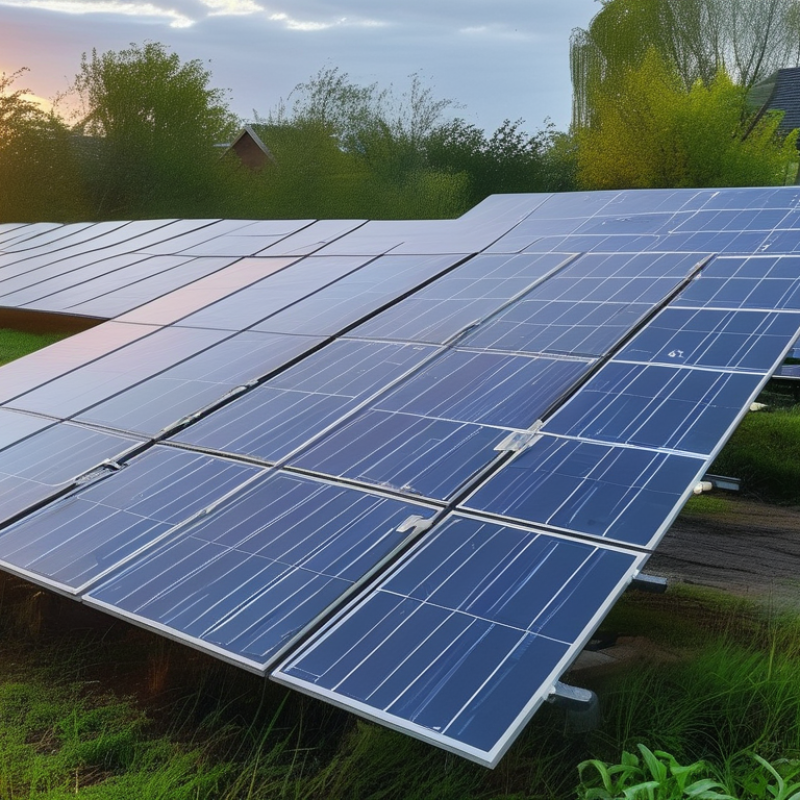
Flexible solar panels are becoming increasingly popular for various applications. They are lightweight and versatile. Unlike traditional panels, they can be installed on curved surfaces, making them ideal for homes and electric vehicles. According to a report by the International Energy Agency (IEA), flexible solar technology is advancing rapidly, with efficiencies reaching up to 22%. This is a considerable improvement, allowing for more energy generation from less space.
These panels utilize thin-film technology. They convert sunlight into electricity, generating power efficiently even in low-light conditions. However, their performance can vary significantly based on installation and environmental factors. A study from NREL claims that while these panels are effective, they often have lower overall efficiency compared to rigid counterparts. Real-world conditions such as shading or orientation can impact performance.
Flexible solar panels also offer unique features. They can be deployed in various ways, like integrated into building materials. However, they may not be the optimal solution for everyone. Homeowners should assess their specific energy needs and consider factors such as cost and space. Monitoring market trends reveals that, despite some limitations, flexible solar panels represent a promising future in residential energy solutions.
: Flexible solar panels are lightweight and versatile. They can be installed on curved surfaces for various applications.
Flexible solar panels have efficiencies reaching up to 22%. However, they may be less efficient than traditional panels.
Yes, they can generate power efficiently even in low-light conditions. This makes them useful in various environments.
Installation, shading, and orientation impact their efficiency. Environmental conditions play a significant role, requiring careful planning.
Not necessarily. Homeowners must assess their energy needs, costs, and available space before deciding on these panels.
Their lightweight design allows for easy installation on various surfaces. However, proper placement is crucial for energy capture.
Regular maintenance is essential. Periodic cleaning and monitoring can improve performance and extend their lifespan.
Consider using a solar power monitoring system. This can help track energy generation and usage effectively.
It can be substantial. Evaluating energy needs and local incentives is essential to determine long-term savings.
They often have lower overall efficiency compared to rigid panels. This is a key consideration for potential users.
The article titled "Can Flexible Solar Panels Charge Your EV at Home Efficiently?" explores the potential of flexible solar panels for home electric vehicle (EV) charging. It begins by explaining the technology behind flexible solar panels, highlighting their lightweight and adaptable nature, which makes them suitable for various installation scenarios. The advantages of using these panels include increased efficiency in space utilization and aesthetic appeal, compared to traditional solar panels.
The article further evaluates the efficiency of flexible solar panels in relation to conventional models, discussing how advancements in technology might bridge this gap. Key installation considerations are outlined to ensure optimal performance for home charging setups. Lastly, the article provides a financial perspective by calculating the cost-effectiveness of installing flexible solar panels for EV charging, enabling homeowners to make informed decisions. In summary, it addresses the critical question: "Can flexible solar panels be used for EV charging at home?" and offers insights into their viability as a sustainable energy solution.

 Sypower Solar