Understanding why your flexible solar panel isn't charging the battery can be frustrating. Industry expert Dr. Anna Li suggests that "even the best panels can face charging issues." This insight highlights that problems can arise, regardless of panel quality.
When you encounter the question, "Why is my flexible solar panel not charging the battery?", consider several factors. Environmental conditions, like shade or dirt on the panels, greatly affect performance. Temperature fluctuations can impact efficiency too.
Moreover, sometimes connections wear out over time. Regular checks can prevent future issues. If the panel is not generating power, assessing the condition of the battery is crucial. It might be less about the panel and more about compatibility and storage capacity. These details matter. By addressing these areas, you can enhance your flexible solar panel's performance.
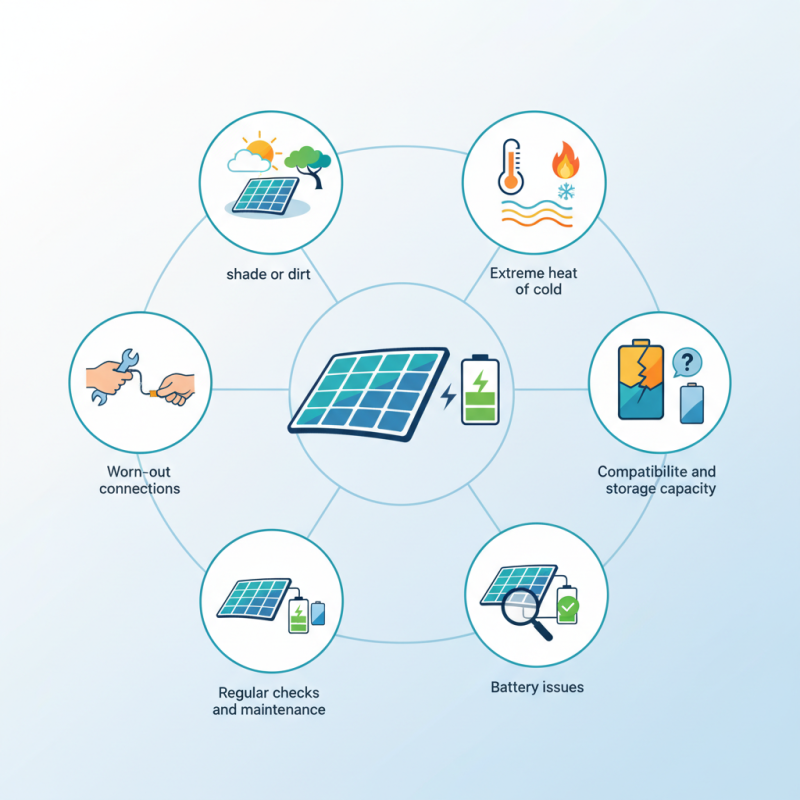
Flexible solar panels are a versatile solution for charging batteries. They are lightweight and portable, making them ideal for various applications. However, they may not perform as expected in certain situations, leading to battery issues. Understanding how these panels operate is crucial for troubleshooting.
When a flexible solar panel isn't charging a battery, several factors could be at play. It might be due to insufficient sunlight, incorrect positioning, or even shading from nearby objects. Additionally, the panel's output voltage may not match the battery’s requirements. Always check connections as loose wires can disrupt the flow of energy.
Temperature can also affect performance. In hot conditions, panels may generate less voltage. On the other hand, cold weather can reduce efficiency too. Reflecting on these aspects can help identify why charging fails. Knowing the specific needs of your setup will lead to better results.
Flexible solar panels seem convenient, yet they sometimes fail to charge batteries. A common issue is inadequate sunlight exposure. If your panel is shaded, it won't produce enough power. Even partial shading can significantly reduce efficiency. It’s vital to position the panel in direct sunlight for optimal performance.
Another reason for failure could be poor connections. Inspect the wiring and connectors closely. Loose or corroded connections can hinder current flow. Ensure all components are securely attached. Also, consider the battery’s health; old or damaged batteries may not hold a charge effectively, leading to frustration.
You might also encounter compatibility issues. Ensure your solar panel and battery are matched in voltage. Mismatched systems can cause charging problems. Finally, check for dirt and debris on the panel surface. Regular cleaning ensures maximum sunlight absorption. Identifying these issues can help enhance your solar panel’s performance.
| Issue | Description | Solution |
|---|---|---|
| Insufficient Sunlight | Panels are not receiving adequate sunlight due to shading or orientation. | Reposition panels to a sunnier location, ensuring no obstructions. |
| Faulty Connections | Loose or corroded wires can interrupt the power flow. | Inspect and secure all connections, replacing damaged cables. |
| Battery Capacity Issues | Batteries may be old, damaged, or not compatible with the panel. | Test battery health and consider replacements if necessary. |
| Temperature Extremes | Extreme heat or cold affects panel efficiency. | Ensure panels are installed in a temperature-regulated area. |
| Inverter Malfunction | Inverters converting DC to AC may be faulty. | Check inverter functionality and replace if faulty. |
Flexible solar panels are increasingly popular for portable energy solutions. However, users often face charging issues. Key factors affecting charging efficiency include sunlight exposure, panel orientation, and temperature.
Sunlight exposure is crucial. Reports indicate that solar panels can lose up to 25% efficiency on cloudy days. Position the panel to maximize exposure. Even slight shading can drastically reduce output.
Temperature also plays a role. Panels operate most efficiently between 15°C to 35°C. Excessive heat can decrease performance. Monitor the temperature to ensure optimal functioning. If your panel feels hot to the touch, consider providing ventilation.
Tips: Check for dirt and debris on the panel surface. Regular cleaning can enhance performance. Also, assess the connections to your battery. A loose connection can hinder charging.
Lastly, battery compatibility matters. Ensure your battery type matches the panel output. Mismatched systems may lead to underperformance. Keep a close eye on all these factors for reliable energy generation.
When troubleshooting battery charging issues with flexible solar panels, various factors come into play. One common problem is shading. Research indicates that even a small shadow can significantly reduce the panel's efficiency. For instance, a 2021 study found that shading can cause energy output to drop by up to 80%. This means panels must be correctly positioned to catch full sunlight.
Another issue may lie in the battery connection. Loose or corroded terminals can prevent proper charging. A 2020 report highlighted that approximately 25% of charging problems arise from connectivity issues. Regular inspection and maintenance of terminals can alleviate these concerns.
Additionally, voltage mismatches between panels and batteries can disrupt charging. Using a solar charge controller can help regulate this. Inconsistent voltage readings may indicate deeper issues. Investing in a multimeter can provide accurate measurements and improve overall performance. Understanding these facets equips users to address and mitigate charging troubles effectively.
Maintaining flexible solar panels is crucial for optimal energy production. Regular inspection can prevent unexpected problems. Start by checking the panel surface for any dirt or debris. A clean surface allows maximum sunlight exposure. Use a soft cloth and mild soap to gently clean your panels. Avoid harsh chemicals as they can damage the materials.
Temperature control is another important factor. Extreme heat can reduce efficiency, while cold weather may cause performance drops. It’s wise to store panels in a cool, shaded area when not in use. However, don’t forget that proper orientation also matters. Make sure your panels are angled correctly to capture sunlight throughout the day.
Lastly, monitor the connections and wiring regularly. Loose or corroded terminals may lead to charging issues. Look for any visible fraying in wires. If problems arise, attempt to tighten connections or replace faulty parts. It’s essential to keep a log of your maintenance efforts. This practice can help track performance trends over time. Reflecting on these aspects can improve your solar panel experience significantly.
: Insufficient sunlight exposure is a primary reason. A shaded panel won't produce adequate power.
Panels perform best between 15°C to 35°C. High heat can lower efficiency. Cold weather also reduces output.
Inspect connections for looseness or corrosion. Ensure the battery health is good too.
Lack of direct sunlight can decrease efficiency by 25% or more. Position panels for maximum light.
Yes, dirt and debris can block sunlight. Clean panels regularly for better energy absorption.
No, ensure the battery voltage matches the solar panel. Mismatched systems can lead to problems.
Regular cleaning is recommended. Dust and dirt can accumulate quickly, reducing efficiency.
Even partial shading can significantly reduce energy output. Keep panels in full sun whenever possible.
Aim for direct sunlight and avoid angles that lead to shadows. Proper orientation maximizes energy generation.
An old battery may fail to hold a charge effectively. Regularly check battery condition for optimal performance.
In addressing the question, "Why is my flexible solar panel not charging the battery?", it is essential to understand the fundamentals of how flexible solar panels operate in conjunction with battery systems. Flexible solar panels can fail to charge batteries due to several common issues, such as insufficient sunlight exposure, incorrect connections, or the presence of damaged components. Key factors that influence charging efficiency include temperature, angle of sunlight, and panel cleanliness.
To troubleshoot these battery charging issues effectively, one should ensure that the solar panel is positioned optimally and that all connections are secure and free from corrosion. Regular maintenance, such as cleaning the panel surface and checking for signs of wear, can significantly enhance performance. By following best practices and understanding potential pitfalls, users can maximize the efficiency of their flexible solar panels and ensure robust battery charging.

Sypower Solar