The demand for flexible solar modules has surged in recent years. These innovative solutions provide versatility in design and installation. As more industries integrate solar technology, understanding their capabilities is crucial. This leads us to the question: "What is the maximum bending angle for flexible solar modules?"
According to Dr. Emily Carter, a leading expert in renewable energy at the Solar Research Institute, "The bending angles can reach up to 30 degrees for some advanced flexible modules." This flexibility allows for applications in various spaces, including curved surfaces and unconventional architectures. Recent industry reports indicate a remarkable growth of 25% annually in the flexible solar market, highlighting the importance of such specifications.
However, these modules are not without their limitations. Not all manufacturers meet the same bending standards. Variability in materials and technology affects performance. Potential buyers need to scrutinize the specifications closely. The search for optimal bending angles remains an essential factor driving research in this sector. Understanding these parameters will allow for more efficient and effective solar solutions in the future.
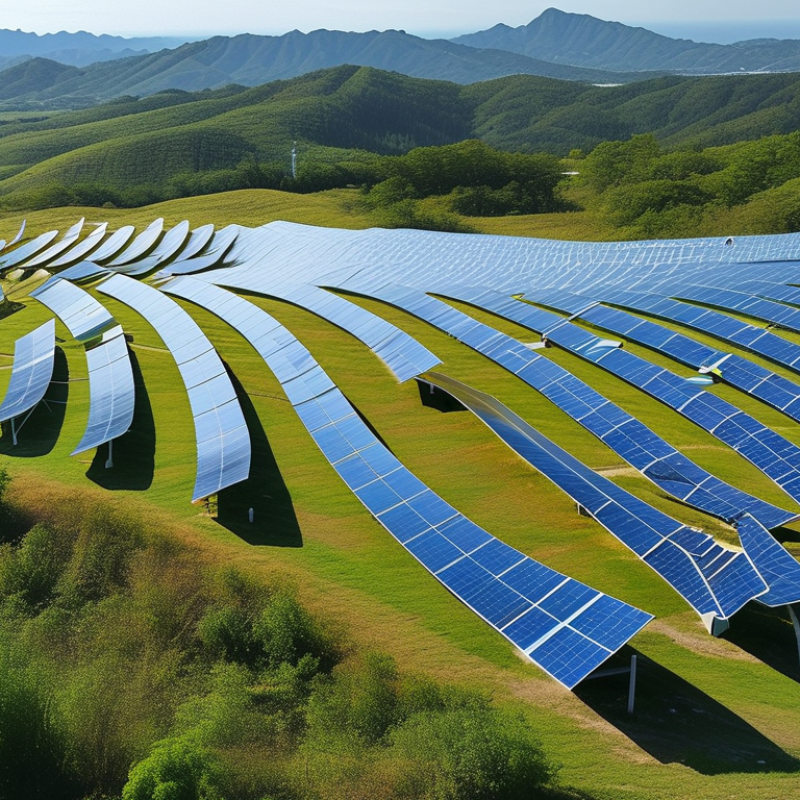
Top 10 Flexible Solar Modules with Maximum Bending Angles
The demand for flexible solar modules has surged in recent years. These modules offer versatility and adaptability, making them ideal for various applications. According to industry reports, the market for flexible solar panels is expected to grow significantly by 2025, reaching an estimated $3.5 billion. This growth is attributed to continuous advancements in photovoltaic technology, promoting energy efficiency and design flexibility.
Maximal bending angles are a critical factor for flexible solar modules. Some models can withstand bending angles of up to 180 degrees without loss of efficiency. This capability allows for installation on various surfaces, including curved rooftops and uneven terrains. However, not all flexible modules perform equally under stress. Some may suffer from decreased energy output or structural integrity issues when bent beyond their specifications, leading to inefficiencies.
Potential users must consider these factors carefully. While flexibility offers exciting prospects, it also raises questions about durability and long-term performance. Some panels may experience reduced lifespan under frequent bending. Regular assessments are essential to ensure sustained energy production. As the market evolves, manufacturers need to balance flexibility with reliability to meet growing consumer demands.
Overview of Flexible Solar Technology in the Renewable Energy Sector
Flexible solar technology is redefining the renewable energy landscape. These innovative modules allow for customization in various applications. They are lightweight and easy to install, making them a popular choice for urban environments. Their ability to conform to different surfaces opens new possibilities for energy generation.
Many industries are recognizing the potential of flexible solar panels. Their durability is often surprising. Some models can bend up to a remarkable angle, increasing installation options. However, performance can vary based on environmental factors. It is essential to consider these variables when evaluating flexibility.
Despite advancements, challenges remain. The efficiency of flexible modules can lag behind traditional solar panels. Users may experience reduced output in certain conditions. Ongoing research is critical to address these limitations. The future of flexible solar technology holds promise, yet it demands critical attention to reliability and performance.
Top 10 Flexible Solar Modules with Maximum Bending Angles
| Rank |
Module Type |
Maximum Bending Angle |
Power Output (W) |
Weight (kg) |
Efficiency (%) |
| 1 |
Flexible Silicon |
30° |
100 |
1.5 |
18 |
| 2 |
BIPV (Building-Integrated Photovoltaics) |
25° |
150 |
2.0 |
20 |
| 3 |
Organic Photovoltaics |
40° |
75 |
1.0 |
15 |
| 4 |
Amorphous Silicon |
35° |
80 |
1.3 |
17 |
| 5 |
CIGS (Copper Indium Gallium Selenide) |
30° |
120 |
1.7 |
19 |
| 6 |
Gallium Arsenide |
45° |
200 |
1.9 |
25 |
| 7 |
Flexible Perovskite |
50° |
90 |
1.0 |
14 |
| 8 |
Thin-Film Modules |
30° |
60 |
0.8 |
12 |
| 9 |
Solar Fabrics |
20° |
40 |
1.1 |
10 |
| 10 |
Transparent Solar Cells |
15° |
50 |
0.7 |
11 |
Criteria for Evaluating Maximum Bending Angles in Solar Modules
When evaluating flexible solar modules, maximum bending angles are a critical factor. These angles determine how adaptable a module is for various applications. According to a report by the International Solar Energy Society, some flexible panels can bend up to 30 degrees without compromising efficiency. This flexibility allows for integration into diverse surfaces, including curved roofs and portable devices.
The materials used in solar modules significantly impact their bending capabilities. For instance, organic photovoltaics and certain thin-film technologies exhibit superior flexibility. Recent studies indicate that modules made from these materials have a lower mechanical stress threshold. However, this flexibility often comes with trade-offs in efficiency and longevity. Manufacturers need to balance these factors to produce reliable products.
Evaluating bending angles also involves considering real-world conditions. Environmental factors, like temperature variations and humidity, can affect the module's performance. Reports suggest that continuous exposure to extreme weather might reduce the lifespan of highly flexible modules. It's crucial for users to understand these limitations when choosing solar panels for their specific needs.
Detailed Specifications of Top Flexible Solar Modules: Features and Performance
When exploring flexible solar modules, several key specifications stand out. These modules can bend drastically, making them ideal for various surfaces. Their lightweight nature allows easy installation on unconventional structures. However, they often have a lower power output per square foot compared to traditional models. This means careful consideration is needed when evaluating efficiency for your specific needs.
The performance of flexible solar panels varies significantly. Factors like efficiency rates, temperature coefficients, and durability come into play. Some models can withstand harsh weather, while others may struggle. An often overlooked aspect is the impact of bending on energy production. Bending may cause micro-cracks, leading to reduced efficiency over time. This trade-off is crucial for potential users to consider when investing in flexible solar technology.
Market Trends and Growth Potential for Flexible Solar Module Adoption
The demand for flexible solar modules is rising.
This trend reflects a growing interest in renewable energy sources. As more consumers and businesses prioritize sustainability, flexible panels are becoming more attractive. They offer the advantages of lightweight designs and easy installation. These characteristics make them suitable for diverse applications.
Market potential is vast.
Flexible modules can be integrated into various surfaces—roofs, fabrics, and even vehicles. Their adaptability to curved and uneven surfaces expands their use in innovative ways. There’s a shift towards using these technologies in urban settings. Cities are seeking energy-efficient solutions while maintaining aesthetic appeal.
Tips for consumers:
Look for products with high efficiency ratings. Consider the warranty and durability of the modules. It’s crucial to choose panels that withstand environmental challenges. Research local regulations on solar installations. Flexibility is essential, but so is compliance with safety standards. Remember, while the market is growing, not all options are created equal. Prioritize informed choices.
Environmental Impact and Efficiency Comparisons of Flexible vs. Rigid Modules
Flexible solar modules have gained attention for their adaptability in various applications. They can conform to curved surfaces, making them ideal for unconventional installations. However, their environmental impact is a crucial factor. While flexible panels tend to use less material and have a smaller carbon footprint during production, their efficiency often lags behind rigid modules.
Efficiency is a significant concern when comparing these two types of solar technology. Rigid modules usually convert sunlight to electricity more effectively. This means they generate more power in the same area. Thus, while the choice between them can depend on installation needs, the energy output is critical. Additionally, the lifespan of flexible modules may not match that of their rigid counterparts.
Reflecting on these aspects reveals the complexity of choosing the right solar solution. Flexible modules are appealing for their aesthetic and practical fit but may require more frequent replacements. Rigid modules, while efficient, may not suit all surfaces. Balancing efficiency, environmental impact, and application needs is essential in making informed decisions in solar technology.
FAQS
: Flexible solar technology uses innovative modules for energy generation on various surfaces.
They are lightweight and easy to install, fitting unique structures well.
Their performance can change based on environmental factors like light and weather conditions.
Their efficiency often lags behind traditional panels, leading to reduced output in specific conditions.
Yes, some models can bend drastically, which allows for creative installation.
Evaluate efficiency ratings, durability, warranties, and local installation regulations.
Some models are durable, but others may struggle under extreme conditions.
Yes, bending can cause micro-cracks, reducing efficiency over time.
Yes, there is an increasing demand as consumers prioritize renewable energy.
Research and understand compliance with safety standards and product quality.
Conclusion
The article titled "Top 10 Flexible Solar Modules with Maximum Bending Angles" provides an in-depth look at the evolving landscape of flexible solar technology within the renewable energy sector. It outlines the criteria used to evaluate the maximum bending angles of solar modules, highlighting their significance in diverse applications. A detailed comparison of the top flexible solar modules is presented, focusing on their features and performance metrics.
Additionally, the article examines market trends and the growth potential of flexible solar module adoption, emphasizing their advantages over traditional rigid modules. It addresses the environmental impact and efficiency comparisons, reinforcing the question, "What is the maximum bending angle for flexible solar modules?" This information is crucial for developers and consumers looking to harness renewable energy effectively while considering the versatility and adaptability of solar technologies.

 Sypower Solar