How to Fix Scratched Surface on Flexible Solar Panels?

Time:2026-06-30 Author:Henry
0%

Maintaining the efficiency of flexible solar panels is crucial for sustainable energy solutions. Scratches on their surface can significantly hinder performance. According to Dr. James LeBlanc, a leading expert in solar panel technology, "Even minor scratches can reduce the energy output of flexible solar panels." This highlights the importance of addressing such issues promptly.

When exploring how to repair a scratched flexible solar panel surface, it’s important to understand the materials involved. These panels are designed to be lightweight and adaptable, but this also means they can be more prone to damage. Repairing them requires attention to detail and a knowledge of proper techniques. Ignoring scratches can lead to more significant problems.

Some methods for repair may be readily accessible. However, not every approach is effective or safe. Using inappropriate materials can cause further damage. It's critical to assess the scratch severity before determining a repair strategy. This process may not always yield perfect results. Nonetheless, being proactive in repairs can ultimately extend the lifespan of your solar panels.
How to Fix Scratched Surface on Flexible Solar Panels?

Understanding the Types of Scratches on Flexible Solar Panels

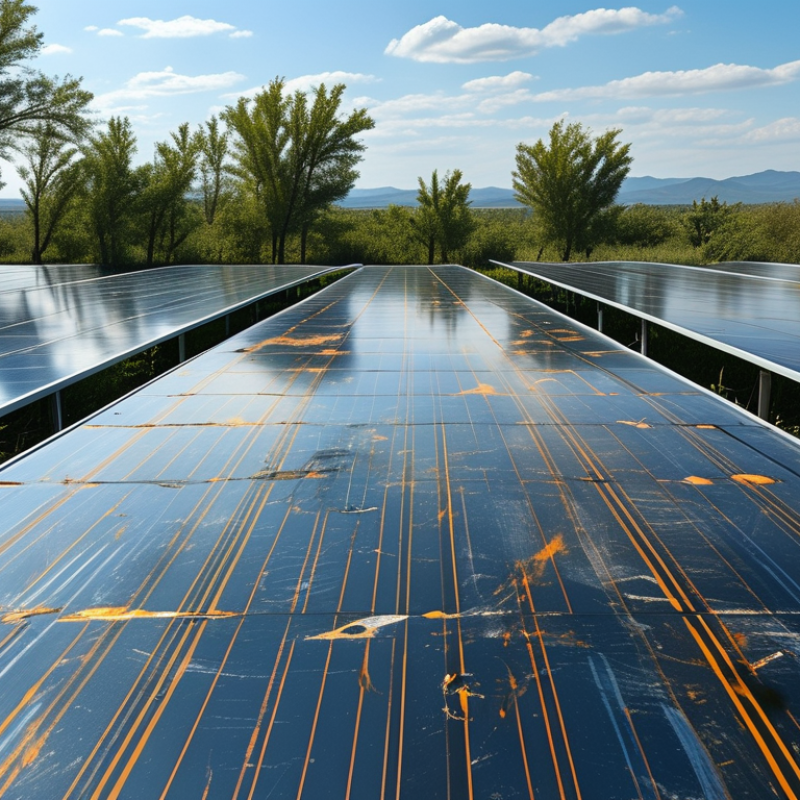
Scratches on flexible solar panels can significantly affect their performance. Understanding the types of scratches is crucial for effective repair. Scratches can be categorized into surface scratches, which affect only the panel’s outer layer, and deeper scratches that penetrate through to the photovoltaic cells. Research indicates that even minor surface disruptions can lead to a reduction in efficiency by up to 5%, according to a report by the National Renewable Energy Laboratory.

Recognizing the source of scratches is equally important. Abrasive cleaning tools or harsh environmental conditions can cause varying degrees of damage. A study highlighted that about 30% of solar panel issues arise from improper maintenance practices. Professionals recommend using soft, non-abrasive materials for cleaning to minimize scratching risks. Deeper scratches may allow moisture infiltration, increasing the risk of internal damage. Therefore, proactive measures, such as regular inspections, are vital in maintaining panel health.

To address scratches, a gentle polishing treatment may suffice for surface-level damages. However, deeper scratches often require careful assessment and possibly professional intervention. While simple fixes are accessible, evaluating the long-term impact of scratches is essential. Maintaining the integrity of flexible solar panels can ultimately safeguard their efficiency and longevity.

How to Fix Scratched Surface on Flexible Solar Panels? - Understanding the Types of Scratches on Flexible Solar Panels

Scratch Type Description Recommended Fix Severity Level
Light Scratches Superficial scratches that affect appearance but not functionality. Use a soft cloth with a mild abrasive cleaner. Low
Moderate Scratches Visible scratches that may affect efficiency slightly. Apply a scratch repair kit designed for plastics. Medium
Deep Scratches Significant scratches that can impact solar panel performance. Consult a professional repair service for possible replacement. High

Tools and Materials Needed for Repairing Scratches

When it comes to repairing scratches on flexible solar panels, having the right tools and materials is crucial. For minor surface scratches, you'll need a few basic items. Start with a soft microfiber cloth to avoid further scratching during the repair process. A specialized solar panel repair kit can also be beneficial. Many of these kits come with adhesive materials designed specifically for solar surfaces.

According to industry data, proper maintenance can increase a solar panel's efficiency by nearly 20%. Using the right tools ensures longevity and performance. Ensure you have a small plastic scraper to gently remove any dirt or debris from the scratch area before applying any repair solution. This preparation is essential for achieving a smooth finish.

Consider this: always work in a shaded area. Excessive heat can worsen scratches and make repairs more difficult. When applying adhesive, don’t rush. Take your time to smooth it out evenly. Aim for a flawless surface, but accept that some imperfections may remain. They are part of the panel’s story and can remind you that each scratch tells a tale of usage and resilience.

Step-by-Step Process to Fix Scratches on Flexible Solar Panels

To fix scratched surfaces on flexible solar panels, start by assessing the damage. Clean the area around the scratch gently with a soft cloth. This eliminates dirt, ensuring a smooth repair process. Utilize a plastic scratch filler or a recommended solar panel repair kit for the best results. Apply the filler in thin layers, allowing each to dry completely before the next application.


It's essential to avoid over-applying the filler. Excess can cause uneven surfaces. Use a fine-grit sandpaper to lightly smooth out the repaired area once fully cured. Be cautious not to sand too aggressively, which may create more damage.


Tips: Always work in a well-ventilated space. This ensures that any solvent fumes dissipate quickly. Regularly check your solar panel’s condition to catch scratches early. Small interventions can prevent bigger repairs down the line. Prevention is critical in prolonging your solar panel's lifespan.

Preventive Measures to Avoid Future Scratches

To prevent scratches on flexible solar panels, adopting effective strategies is crucial. A recent industry report highlighted that up to 40% of flexibility solar panel damage results from improper handling. Thus, understanding how to protect them is essential for longevity and performance.

Using protective covers can significantly reduce risk. These covers shield panels from debris and harsh weather. Materials with UV resistance are particularly beneficial. Consider incorporating a soft cloth barrier during storage or transport. This simple step can mitigate direct impacts and everyday wear while maintaining efficiency.

Tip: Regularly inspect the installation area. Clear any rocks or sharp objects that could cause scratches over time.

Mindfulness in installation also matters. Ensure panels are mounted securely, away from potential hazards. The installation surface should be smooth, free from jagged edges. Additionally, avoid using abrasive cleaning materials. Such products can unknowingly inflict micro-scratches, ultimately diminishing panel efficacy.

Tip: Use a dedicated microfiber cloth for cleaning. It’s gentle yet effective, preserving the panel’s integrity.

Caution and preventive measures are paramount. They ensure that flexible solar panels continue to harness sunlight efficiently, reducing long-term maintenance costs.

When to Consult a Professional for Solar Panel Repairs

When dealing with scratched surfaces on flexible solar panels, knowing when to consult a professional is crucial. Minor scratches may not affect performance significantly, but deeper ones can compromise the panel's efficiency. According to a report by the National Renewable Energy Laboratory, scratches that penetrate the protective layer can lead to a drop in energy output by as much as 10% over time.

Professionals possess the necessary expertise to assess the damage accurately. They can evaluate whether a repair is feasible or if replacement is needed. Many technicians rely on industry standards, which suggest that any scratch visible to the naked eye should be evaluated. If the scratch is accompanied by cracks or discoloration, immediate consultation is advised. Ignoring such signs can result in more extensive damage and increased repair costs.

Some DIY repairs may seem tempting, especially for superficial scratches. However, improper techniques can worsen the issue. Using the wrong tools may lead to further scratches or damage. A reliable assessment from a professional ensures that your solar panel remains efficient and maximized for energy output. Seeking expert help can ultimately save time and money.

FAQS

: What are the different types of scratches on solar panels?

: Scratches are categorized into surface scratches and deeper scratches. Surface scratches affect only the outer layer.

How do scratches impact solar panel efficiency?

Even minor surface scratches can reduce efficiency by up to 5%. Deeper scratches may decrease output by 10%.

What causes scratches on solar panels?

Scratches can result from abrasive cleaning tools or harsh environmental conditions. Improper maintenance accounts for about 30% of issues.

What tools are needed for repairing minor surface scratches?

You need a soft microfiber cloth, a plastic scraper, and a solar panel repair kit for effective repair.

When should I consult a professional for solar panel repairs?

Consult a professional if scratches are deep or if you see cracks or discoloration. These might indicate serious damage.

Can DIY repairs be helpful for scratches?

DIY repairs for minor scratches can be tempting, but improper techniques could worsen the problem.

How can I maintain my solar panels to prevent scratches?

Use soft, non-abrasive cleaning materials and conduct regular inspections to maintain panel health and prevent scratches.

Is it important to repair scratches on solar panels?

Yes, repairing scratches is crucial for maintaining efficiency. Ignoring scratches can increase repair costs in the long run.

What should I remember when repairing scratches?

Work in a shaded area, take your time with repairs, and accept minor imperfections as part of the process.

Are there specific conditions that worsen solar panel scratches?

Excessive heat can worsen scratches and complicate repairs. Always be mindful of environmental conditions during repairs.

Conclusion

In the article titled "How to Fix Scratched Surface on Flexible Solar Panels?", readers are guided through the essential steps for addressing various types of scratches that can occur on flexible solar panel surfaces. It begins by categorizing the scratches, which helps in determining the appropriate repair techniques. The article then outlines the necessary tools and materials, ensuring readers are well-prepared for the task.

Step-by-step instructions are provided for repairing scratches, allowing solar panel owners to restore their surfaces effectively. Additionally, preventive measures are discussed to minimize the risk of future damage. The article concludes with advice on when it might be necessary to consult a professional for solar panel repairs. This comprehensive guide answers the crucial question of "How to repair a scratched flexible solar panel surface?" while equipping readers with the knowledge to maintain their solar panels.

Henry

Henry

Henry is a dedicated marketing professional with a profound expertise in the company's offerings. With years of experience in the industry, he possesses an impressive understanding of the market dynamics and consumer behaviors that drive success. Henry is committed to sharing his insights through......