As the world seeks sustainable building solutions, the effectiveness of solar curtain walls comes into question. One crucial inquiry is, "Are solar curtain walls effective in low-light conditions?" Dr. Emily Turner, a renowned expert in architectural energy systems, asserts, "Solar curtain walls can harness energy even in reduced light, though performance varies." Her insight highlights the potential of these innovative structures.
Solar curtain walls not only enhance aesthetic appeal but also contribute to energy efficiency. They can capture sunlight while offering insulation. In low-light situations, performance might be impacted. Factors such as the angle of sunlight, local climate, and the design of the wall play a significant role. As highlighted by Dr. Turner, a nuanced understanding is essential.
Despite advancements, challenges persist. Many projects overlook the need for specialized materials or technology. This oversight can lead to suboptimal results. Exploring optimal strategies and installation techniques is vital. With proper knowledge, solar curtain walls can indeed be effective, even when light is scarce.
Understanding Solar Curtain Walls and Their Functionality
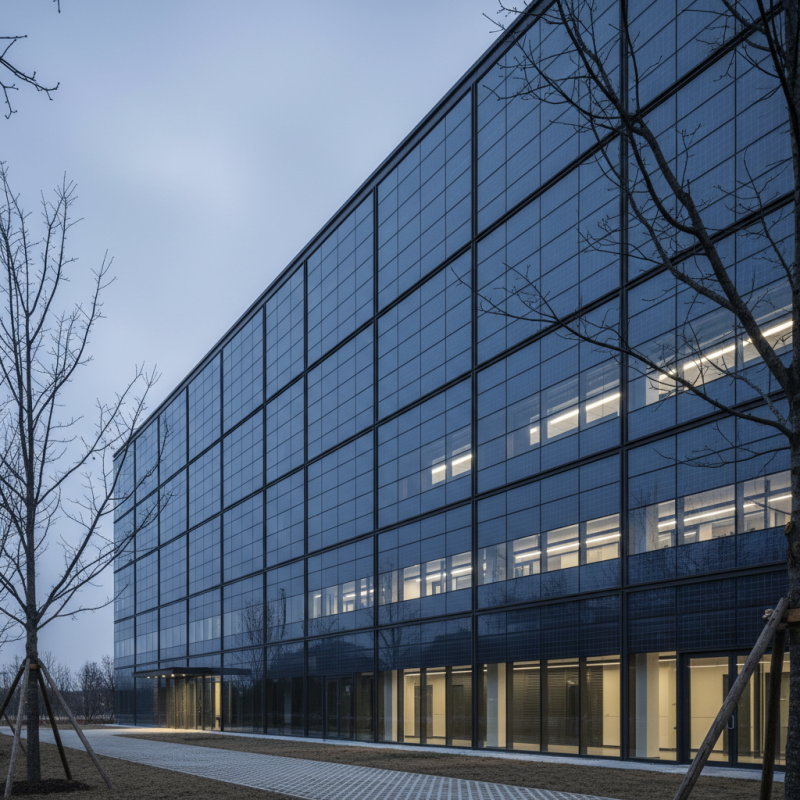
Solar curtain walls are innovative facade systems that optimize natural light while providing energy efficiency. These structures use glass panels arranged in frames, allowing sunlight to penetrate the interior spaces. According to the U.S. Department of Energy, well-designed solar curtain walls can reduce energy consumption by up to 30%. This is significant in urban areas, where buildings often rely on artificial lighting.
In low light conditions, the performance of solar curtain walls can diminish. It is crucial to analyze how the glass materials and angles affect light absorption. Some studies suggest that incorporating transparent photovoltaic cells can enhance light capture. However, these solutions might not work optimally during overcast days. Testing the materials under various lighting conditions is essential to ensure reliability.
Beyond functionality, aesthetic appeal matters. Architects often face challenges balancing energy efficiency with design. The choice of glass texture and color can influence the building's overall look while impacting light transmission. A thoughtful approach can create an inviting atmosphere without compromising on energy savings. Understanding the intricate relationship between design, functionality, and energy use is vital for achieving an effective solar curtain wall system.
Identifying Low Light Conditions and Their Impact on Solar Efficiency
Low light conditions significantly influence the effectiveness of solar curtain walls. These walls harness sunlight for energy. In scenarios with reduced sunlight, especially in winter months or overcast days, the energy gained decreases. It's crucial to understand how environmental factors impact overall solar efficiency.
In low light, the angle of sunlight changes. This can lead to a reduced energy collection area. Shadows from nearby buildings or trees can further diminish efficiency. Regular evaluations are necessary. Identifying issues early helps in optimizing the setup. Misalignment or obstructions should be assessed routinely.
Effective maintenance of the solar curtain walls is vital. A clean surface improves light absorption. Debris or dirt can create surprising losses in solar gain. Also, consider the choice of materials. Some are more efficient under low light. Awareness and adaptation can lead to better performance despite challenging conditions. Reflection on these factors is key to maximize energy yield.
Design Strategies for Enhancing Solar Performance in Low Light
In low light conditions, enhancing the solar performance of curtain walls is critical. A study by the National Renewable Energy Laboratory (NREL) shows that appropriate solar control can increase daylight harvesting by up to 40%. Using advanced glazing technologies can significantly boost performance in dim environments. For example, optimizing the selection of glass coatings helps improve light transmittance and reduce glare.
Designers should consider integrating dynamic shading systems. These systems can adapt to changing light levels, providing optimal insulation while maximizing natural light intake. Research indicates that a well-implemented shading strategy can lower energy consumption by 20% during winter months and maintain comfortable indoor temperatures. However, these systems require regular maintenance to ensure effectiveness.
Another strategy is to optimize the orientation of curtain walls. By aligning these structures toward the sun's path, architects can harness available light more efficiently. A misalignment can lead to significant energy losses. While data suggests that an optimal angle increases solar gain, many buildings fail to maximize this potential. Regular assessments and adjustments can help maintain this performance level over time.
Materials and Technologies for Optimal Solar Curtain Wall Performance
Choosing the right materials for solar curtain walls is crucial, especially in low light conditions. Research indicates that high-performance glazing can significantly enhance energy efficiency. For instance, low-emissivity (Low-E) coatings can reflect sunlight, thus minimizing heat absorption. According to the U.S. Department of Energy, these coatings can improve insulation by up to 30%.
Incorporating phototropic materials can also optimize performance. These materials adapt to light levels, ensuring maximum solar gain. Recent studies show that applying such technologies in curtain walls can increase natural light penetration by nearly 25%. This adjustment improves the indoor environment but may raise initial costs. Balancing upfront investments with long-term energy savings requires careful consideration.
However, not every design is foolproof. Some curtain wall systems might face challenges with glare and heat buildup. This can lead to discomfort for occupants and inefficient energy use. Continuous feedback from real-world applications is essential in refining these systems. Engaging with industry professionals who analyze performance data can guide material choices, ensuring better outcomes.
Maintenance Practices to Maximize Solar Gain in Challenging Conditions
In low light conditions, effective solar curtain walls require careful maintenance. Regular cleaning improves light transmission. Dust and dirt can significantly reduce solar gain. Research indicates that even a 10% reduction in surface cleanliness can lead to a 50% drop in energy efficiency. It's crucial to establish a routine cleaning schedule, especially in urban environments where pollutants accumulate quickly.
Adjusting the angle and position of solar curtain walls can enhance performance. Seasonal changes affect the angle of sunlight. During winter months, optimizing the tilt can maximize direct sunlight exposure. Studies show that reorienting these walls can increase solar gain by up to 30%. Neglecting this adjustment may lead to suboptimal energy capture.
Insulation plays a vital role too. Proper insulation reduces heat loss during colder months. Poorly insulated walls can diminish the benefits of solar energy. It’s essential to regularly inspect insulation levels and address leaks promptly. Failing to do so could result in reduced efficiency and increased energy costs. Balancing these maintenance practices can be challenging but necessary for maximizing solar gain in challenging conditions.
10 Tips for Effective Solar Curtain Walls in Low Light Conditions
| Tip Number |
Maintenance Practice |
Description |
Potential Gain (in %) |
| 1 |
Regular Cleaning |
Remove dust and debris to maximize light transmission. |
15% |
| 2 |
Window Film Application |
Apply reflective or tinted films to improve solar gain. |
10% |
| 3 |
Inspect Seals and Frames |
Ensure all seals are intact to prevent air leaks. |
8% |
| 4 |
Optimize Angle |
Adjust the angle of solar curtain walls to capture more light. |
20% |
| 5 |
Use High Transmission Glass |
Install glass with high solar heat gain coefficient. |
25% |
| 6 |
Implement Shading Devices |
Use external shades to enhance control of light entry. |
12% |
| 7 |
Conduct Regular Inspections |
Frequent checks to ensure optimal performance of installations. |
6% |
| 8 |
Utilize Energy Management Systems |
Incorporate technology to manage and optimize energy usage. |
18% |
| 9 |
Install Smart Controls |
Automate curtain adjustments based on light levels. |
22% |
| 10 |
Review and Update Regularly |
Stay updated with the latest technologies and practices. |
16% |
Conclusion
Solar curtain walls are innovative architectural elements designed to optimize the use of sunlight for energy efficiency. However, a common concern arises: "Are solar curtain walls effective in low-light conditions?" This article delves into the unique challenges presented by low-light situations, such as overcast weather or structural obstructions, and their impact on solar efficiency.
To enhance performance, the article outlines several strategic design solutions, including angle adjustments and the incorporation of specialized materials that can capture diffuse light more effectively. Moreover, it highlights maintenance practices essential for maximizing solar gain, ensuring that these systems operate efficiently even under challenging conditions. Ultimately, with the right strategies and technologies in place, solar curtain walls can indeed remain effective, even in less-than-ideal lighting scenarios.

 Sypower Solar