Building-integrated photovoltaics (BIPV) are transforming our architecture by providing renewable energy solutions. Yet, the question remains: how to clean and maintain building-integrated photovoltaics? Expert Mark R. Thompson, a leader in photovoltaic research, asserts, "Regular maintenance is essential for optimum performance." This highlights the importance of proper care for these integrated systems.
Maintaining BIPV involves unique challenges. They are often located in hard-to-reach places, requiring specialized cleaning techniques. Dust, debris, and even bird droppings can impact their efficiency. An effective cleaning routine is crucial for preserving energy output over time. Neglect can lead to decreased performance and higher long-term costs.
Venturing into this maintenance process can feel daunting. Many building owners lack the knowledge necessary for effective cleaning techniques. However, understanding the basics can lead to better energy management. As the industry evolves, so do the best practices. Staying informed and regularly assessing the condition of your BIPV will ensure lasting benefits.
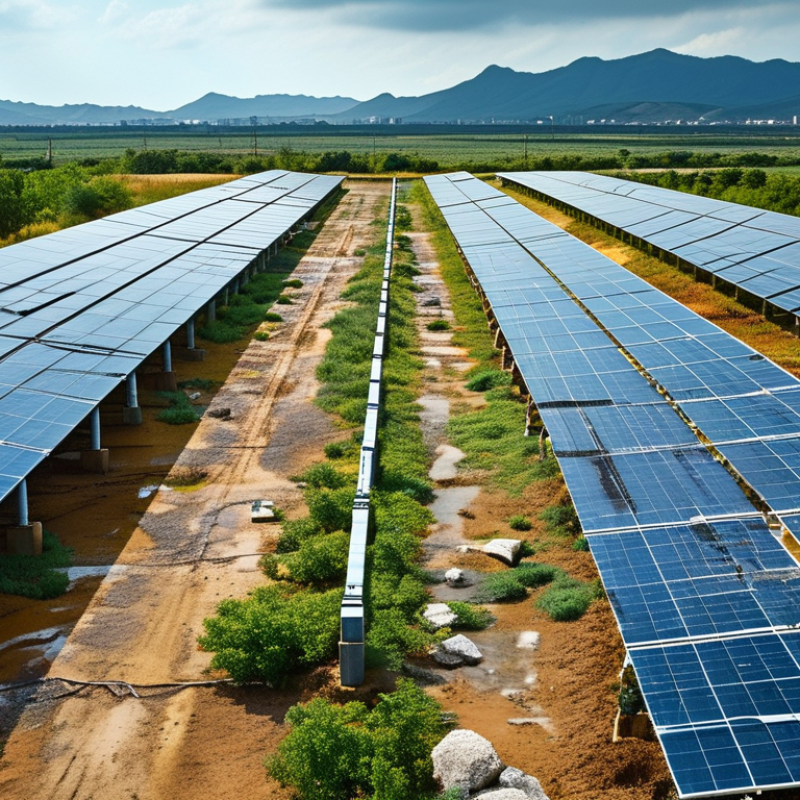
Building Integrated Photovoltaics (BIPV) systems combine aesthetics and functionality. These systems integrate solar cells directly into building materials. They can replace traditional materials, serving as roofs, facades, or windows. This dual purpose maximizes space efficiency and energy generation. Many architects are now considering BIPV systems to enhance building designs while promoting sustainability.
However, the technology comes with challenges. BIPV panels can be more fragile than conventional setups. They often require more careful handling during installation. Proper sealing techniques are essential to avoid water ingress and damage. Routine inspection is vital to ensure functionality. Dust buildup and environmental wear can reduce efficiency, making regular maintenance important. Building managers should be proactive to identify issues early.
Educational resources are crucial for effective upkeep. Professionals need training to handle BIPV systems properly. Understanding the unique characteristics of materials used is key. For instance, not all cleaning agents are safe for every BIPV surface. Sometimes, the lack of awareness leads to accidental damage. A dedicated maintenance plan can help mitigate such risks and ensure optimal performance.
: BIPV systems combine solar cells with building materials. They serve as roofs, facades, or windows.
They maximize space efficiency and energy generation. Architects like them for enhancing designs and promoting sustainability.
Regular cleaning and inspection are important. Dust buildup can reduce efficiency. Proper sealing prevents moisture issues.
Dirt on glass surfaces reduces energy efficiency. Cleaning with soft brushes and gentle soap can help.
Check for seal integrity to prevent moisture infiltration. Regular inspections identify issues early.
Temperature changes can cause thermal expansion issues. This may lead to cracks or delamination.
No, not all cleaning agents are suitable. Using the wrong cleaner can cause accidental damage.
Shadows can hinder solar gain. Positioning of BIPV systems is crucial for optimal performance.
Documenting maintenance findings helps guide future repairs. It supports effective long-term management.
Professionals should understand the unique materials used. This knowledge helps avoid damaging incidents.
Building Integrated Photovoltaics (BIPV) systems play a crucial role in the integration of renewable energy within architectural designs. Regular cleaning and maintenance of BIPV systems are vital for ensuring their efficiency and longevity. This article addresses "How to clean and maintain building-integrated photovoltaics?" by providing a step-by-step guide on safely cleaning BIPV surfaces, highlighting the importance of regular inspections, and best practices for maintaining BIPV components.
Furthermore, it outlines common issues that may arise in BIPV systems and offers efficient strategies to address them. By adhering to these guidelines, building owners and maintainers can enhance the performance and durability of their BIPV installations, ultimately contributing to sustainable energy solutions.

 Sypower Solar