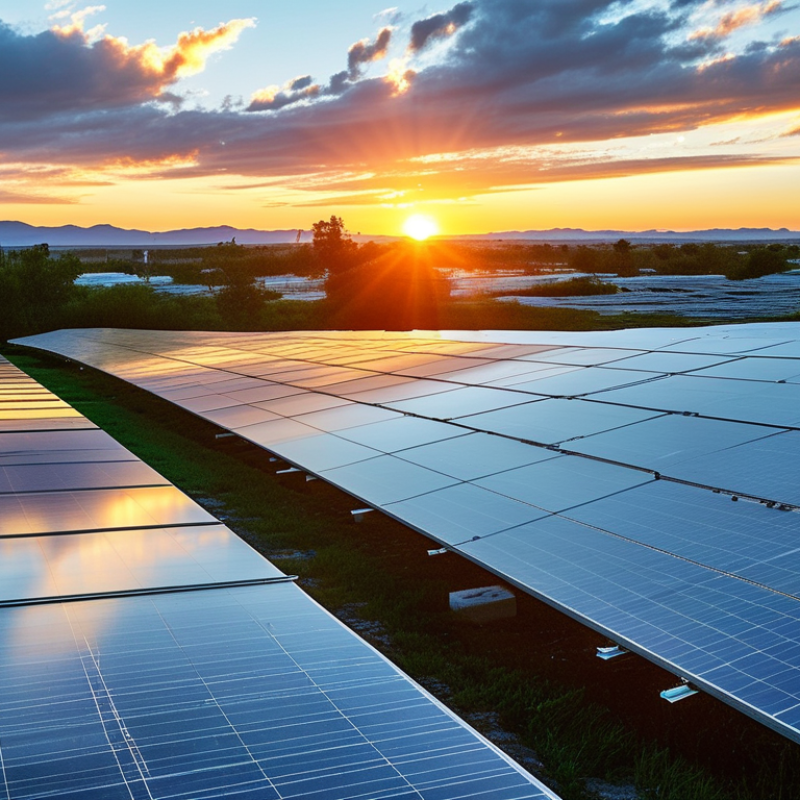
Choosing the best mounting options for solar curtain walls can drastically impact their efficiency and longevity. According to a recent report by the Solar Energy Industries Association (SEIA), optimal mounting solutions can enhance solar panel performance by up to 15%. This highlights the importance of selecting the right approaches for installation. Industry expert Dr. Jane Adams emphasizes, “The right mounting system not only secures the panels but also maximizes energy capture.”
When exploring the question, "What are the best mounting options for solar curtain walls?" it's crucial to consider various factors. Building orientation, climate conditions, and architectural aesthetics play vital roles. Fixed mounts are common but may limit adaptability. On the other hand, adjustable mounts can offer greater flexibility. However, they may come with increased installation complexity.
While many mounting systems exist, not all are created equal. Material quality, installation technique, and maintenance should be evaluated carefully. Often, overlooked aspects can lead to performance drop-offs. Thus, understanding the nuances of mounting options is essential for architects and builders alike. As the solar industry evolves, keeping up with innovations in mounting technology will be critical for optimal energy solutions.
When selecting mounting options for solar curtain walls, the benefits of optimal methods play a vital role. High-quality mounting can significantly improve energy efficiency and overall performance. According to a report by the Solar Energy Industries Association, better mounting solutions can increase energy generation by up to 15%. This increase can lead to substantial long-term cost savings.
The design and durability of mounting systems can also enhance a solar curtain wall's lifespan. Inadequate installation poses risks, including structural failures and reduced energy collection. Research shows that improper mounting can result in a 25% loss in potential energy generation. Therefore, it’s crucial to choose methods that ensure structural integrity and accessibility for maintenance.
Tips:
When selecting mounting options for solar curtain walls, several critical factors must be considered. First, the type of building and its architectural aesthetics play a significant role. Solar curtain walls differ in energy performance and appearance. An industry report indicates that buildings with optimized solar curtain walls can reduce their energy costs by up to 50%. Selecting the right mounting system can enhance both energy efficiency and visual appeal.
Additionally, structural integrity is paramount. The mounting system should securely attach the solar panels to withstand weather conditions. According to research from the Solar Energy Industries Association, proper mounting enhances the longevity of solar installations by up to 30%. The choice of mounting material, such as aluminum or steel, can also affect the wall's durability and performance. It is essential to consider local building codes as well for compliance.
Lastly, installation complexity is another factor. Some mounting systems are easier to install, reducing labor time and costs. However, the simpler systems may not always provide the best performance. Regular reflections on installation procedures and maintenance needs are vital for ensuring long-term benefits from solar curtain walls. Taking these elements into account can guide effective decision-making in optimizing solar curtain walls for energy efficiency and sustainability.
When choosing mounting techniques for solar curtain walls, various factors come into play. Each mounting option has unique benefits that cater to different architectural needs. For instance, fixed mounts offer simplicity and durability. In contrast, adjustable mounts provide flexibility, enabling optimizations for sunlight exposure over time. These differences can significantly affect energy efficiency.
Installation challenges also arise with mounting techniques. Some methods require more extensive structural support, which can lead to increased costs. Inexperienced installers might overlook critical factors, like wind resistance and load-bearing capacity. This creates potential risks for the building's integrity. Insights from experts highlight the importance of consulting professionals to make informed decisions.
Selecting the right mounting option is crucial yet complicated. An option that works well in one scenario might fail in another. Evaluating environmental conditions and architectural design is essential. There’s also room to innovate with newer techniques that are still being tested. As technology advances, ongoing research will likely improve current mounting systems, making them more reliable and efficient.
Choosing the right mounting options for solar curtain walls significantly influences their performance and longevity. Proper mounting can enhance solar energy absorption, maximizing efficiency. Mounting choices also affect the structural integrity of the installation. Poor decisions could lead to increased wear and tear, ultimately reducing lifespan.
Installation angles are crucial. They determine how sunlight hits the panels. Incorrect angles may result in suboptimal energy production. Furthermore, harsh weather can exacerbate flaws in mounting. Inadequate support might lead to loosening or even detachment, creating potential hazards. Reflecting on past projects reveals that overlooking details often results in costly repairs.
Routine inspections of mounting systems are essential. Regular checks help ensure that components remain secure and functional. Not addressing mounting issues early can lead to extensive damage. Reliable performance hinges on these often-overlooked details. Neglecting them might save time initially but leads to bigger problems later. Each choice should be made with careful consideration of long-term outcomes.
| Mounting Option | Impact on Performance | Longevity (Years) | Installation Complexity |
|---|---|---|---|
| Standard Bracket Mount | Moderate impact, suitable for various environments | 10-15 | Easy |
| Flush Mount | High performance, maximizes solar gain | 15-20 | Moderate |
| Tilted Mount | Enhanced performance in winter/summer | 12-18 | Complex |
| Rail Mount System | Highly flexible arrangement | 10-25 | Moderate |
| Custom Fabricated Mounts | Optimized for specific installations | 15-30 | High |
When it comes to installing solar curtain walls, attention to detail is crucial. Proper mounting options can significantly affect energy efficiency. Choosing the right angle and orientation maximizes sunlight exposure. Also, consider the surrounding environment. Buildings nearby can create shadows, reducing performance. Assessing these factors can lead to more effective installations.
Installation practices play a vital role. Ensure that all components are secure. This includes the mounting brackets and the solar panels themselves. Inadequate installation can lead to misalignment. Over time, this could reduce energy capture. Regular maintenance checks help in identifying any issues early. These inspections can prevent larger problems down the line.
It's important to stay informed about best practices. Carbon footprint reduction is a community effort. Engaging with local experts can provide valuable insights. Each project presents unique challenges that require tailored solutions. Reflecting on past installations helps in making better choices. Learning from previous mistakes enhances future projects significantly.
This chart illustrates the efficiency percentages of different solar curtain wall mounting options. The data indicates that tilted mounts generally provide the highest efficiency, while vertical mounts show the lowest. This information helps in choosing the best mounting options for maximizing solar energy capture.
: Building type and architectural aesthetics are critical. They influence energy performance and overall appearance.
Optimized solar curtain walls can cut energy costs by up to 50%. Smart choices matter for savings.
Secure mounting is vital to withstand weather conditions. It enhances installation longevity by about 30%.
The choice of mounting material, like aluminum or steel, impacts durability and performance significantly.
Simpler mounting systems can lower labor costs. However, they may not maximize performance effectively.
Installers should consider wind resistance and load-bearing capacity to prevent future risks.
Installation angles affect sunlight exposure. Incorrect angles can lead to inefficient energy production.
Different conditions may require tailored mounting solutions. What works in one place may fail in another.
Ignoring mounting problems can lead to extensive damage and costly repairs over time.
Regular checks ensure that mounting components stay secure. Neglecting them can result in bigger problems later on.
When considering solar curtain walls, it's crucial to understand "What are the best mounting options for solar curtain walls?" The selection of optimal mounting methods offers numerous benefits, including improved energy efficiency and enhanced durability. Factors such as the building's location, orientation, and aesthetic requirements should influence the choice of mounting options, ensuring maximum performance.
A comparative analysis of different mounting techniques reveals considerable variations in their impact on solar curtain wall performance and longevity. Effective installation practices play a vital role in leveraging these mounting choices to achieve maximum efficiency. By adhering to best practices, one can significantly enhance the overall effectiveness of solar curtain walls, ultimately leading to sustainable building solutions.
Sypower Solar