How Can BIPV Systems Lower Energy Costs for Buildings?

Time:2026-08-03 Author:Oliver
0%

Building-integrated photovoltaics (BIPV) are gaining traction in modern architecture. Experts emphasize their potential to lower energy costs. One notable figure in this field, Dr. Emily Chen, states, "BIPV systems not only provide power but also enhance building aesthetics." This highlights their dual role in energy efficiency and design.

How do BIPV systems reduce building energy costs? The answer lies in their integration into the building envelope. They generate electricity while acting as roofing or facade materials. This eliminates the need for separate solar installations. Consequently, homeowners can save on both installation and energy expenses.

BIPV systems also offer long-term savings. They reduce reliance on grid power, which fluctuates in price. Nonetheless, the initial cost of BIPV can be significant. It's essential to evaluate the return on investment carefully. Not all buildings may find BIPV cost-effective in the short term. Each project requires analysis for feasibility in energy savings.
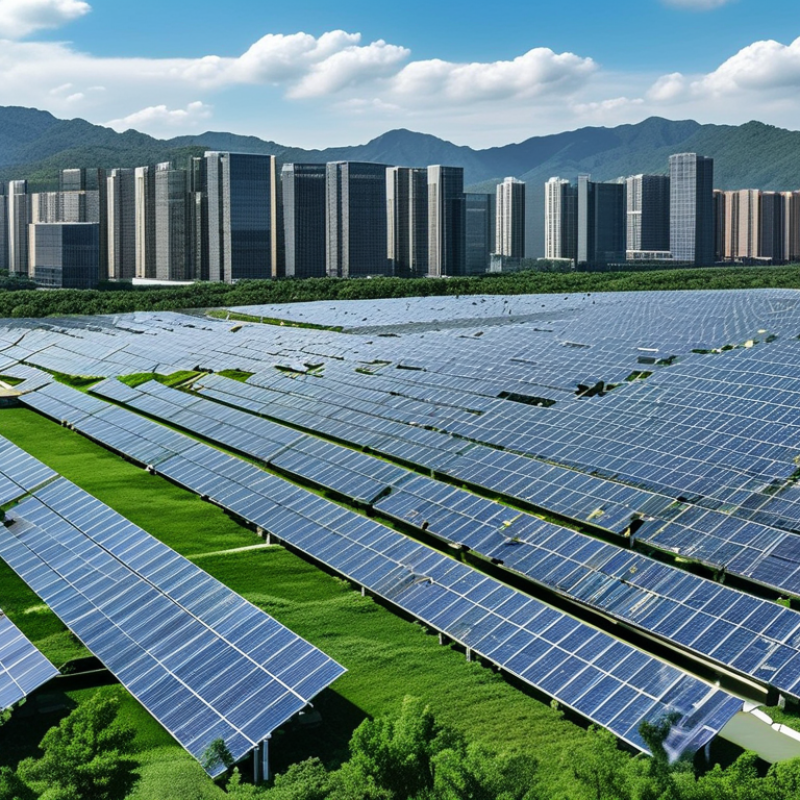
How Can BIPV Systems Lower Energy Costs for Buildings?

Benefits of BIPV Systems in Energy Cost Reduction for Buildings

Building-integrated photovoltaic (BIPV) systems present a unique approach to reducing energy costs. These systems convert solar energy into electricity while seamlessly integrating with the building structure. This dual functionality can lead to considerable savings on energy bills. With BIPV, buildings produce their own power, thus minimizing reliance on grid electricity. This shift not only cuts costs but also enhances energy independence.

The installation of BIPV systems can be a game changer for property owners. They can offset a significant portion of energy consumption. This is particularly beneficial in urban settings, where traditional solar panels might not be feasible. Furthermore, BIPV systems can enhance property values. A building that generates its own electricity is more attractive to potential buyers.

Tip: When considering BIPV, assess the building's energy needs first. A thorough energy audit can reveal opportunities for optimization. Additionally, investigate local incentives for renewable energy installations. These can further alleviate the upfront investment required. Reflecting on long-term benefits could guide a decision toward adopting BIPV technologies.

How Can BIPV Systems Lower Energy Costs for Buildings?

BIPV (Building-Integrated Photovoltaics) systems provide a dual function of generating energy while also serving as building materials. The chart above illustrates the initial costs versus the energy savings one can expect over the years, highlighting the financial benefits of integrating BIPV systems in buildings.

Economic Impact of BIPV Integration on Commercial and Residential Structures

Building-integrated photovoltaics (BIPV) systems are transforming how we look at energy costs in both residential and commercial settings. These systems not only generate power but also function as building materials, seamlessly integrating solar panels into roofs and facades. This dual functionality can lead to significant cost savings over time. By offsetting energy consumption, buildings can lower utility bills. Additionally, BIPV systems may qualify for tax incentives and rebates, enhancing their economic viability.

Tips: To maximize BIPV effectiveness, evaluate your building's sun exposure. Ensure that installations do not block sunlight. Regular maintenance is essential for optimal performance. Monitor energy production closely. You may need to adjust your system depending on seasonal changes.

Moreover, integrating BIPV can boost property values. Today's buyers appreciate energy-efficient features. However, upfront costs can be challenging. Property owners should conduct thorough feasibility studies. They must weigh the long-term benefits against initial investments. Planning and strategy are crucial for a successful BIPV implementation.

Case Studies: Real-World Energy Savings from BIPV Installations

Building-Integrated Photovoltaics (BIPV) systems offer remarkable potential for energy savings in various environments. These systems integrate solar panels into building materials. They provide both energy generation and functional building elements. In recent installations, significant reductions in energy bills have been reported.

For instance, a commercial building in a sunny region equipped with BIPV saw its energy costs drop by over 30%. During peak sunlight hours, the system produced more energy than the building consumed. Another residential case highlighted a family that reduced their annual energy expenses by 15% after installing BIPV. However, not all installations yield the same results.

Some buildings struggled to maximize energy efficiency due to shading or suboptimal orientations. In these cases, careful assessment and planning before installation are crucial. Without proper analysis, BIPV may not deliver expected savings. This emphasizes the importance of expert consultation for effective BIPV implementation. Energy savings can be significant, but achieving them requires thoughtful integration and ongoing performance monitoring.

Future Projections: BIPV Technology and Its Potential Cost Implications

Building Integrated Photovoltaics (BIPV) systems are revolutionizing energy consumption in modern architecture. These systems cleverly merge solar technology with building materials, allowing structures to harness solar energy without compromising aesthetics. As urban areas grow, the pressure to reduce energy costs increases. Future projections suggest that BIPV technology could significantly decrease energy expenses for buildings.

One significant advantage of BIPV is its dual functionality. Instead of traditional solar panels, BIPV can serve as windows or facades. This integration provides essential energy savings while also enhancing building design. As technology advances, BIPV systems may become more efficient and affordable. Researchers predict that costs will continue to decline, reaching a point where energy independence is feasible for many buildings.

Tips: When considering BIPV, study local solar energy regulations. It’s crucial to evaluate your building's location and design. Don’t forget to consult with professionals for optimal integration. Anticipate potential maintenance challenges as well; systems like BIPV require careful upkeep. By keeping these factors in mind, you can effectively lower long-term energy costs while contributing to a greener environment.

Environmental Advantages of BIPV Systems Over Traditional Energy Sources

Building-integrated photovoltaics (BIPV) systems are changing how we think about energy in buildings. They offer significant environmental advantages over traditional energy sources. BIPV systems generate clean energy directly from the building surfaces. This reduces greenhouse gas emissions. Unlike fossil fuels, they do not rely on exhaust-heavy processes. BIPV contributes to a more sustainable future.

These systems play a vital role in reducing energy costs. They harness solar energy, which is abundant and free. Homeowners can benefit from reduced electricity bills. When buildings generate their own power, they become less reliant on external sources. This independence can lead to financial savings over time. The installation also adds value to the property.

Tips:
Consider the orientation of your building to maximize solar exposure. Even small adjustments can improve energy generation. Regular maintenance of the BIPV systems can enhance their efficiency. This ensures optimal performance throughout their lifespan. Environmentally conscious design can lead to innovative solutions. Reflect on how integrating nature improves urban spaces and energy usage.

How Can BIPV Systems Lower Energy Costs for Buildings? - Environmental Advantages of BIPV Systems Over Traditional Energy Sources

Aspect BIPV Systems Traditional Energy Sources
Initial Cost Higher upfront investment Lower initial cost
Energy Savings 20-30% reduction in energy bills Dependent on energy prices
Maintenance Cost Generally lower Can be higher due to aging infrastructure
Environmental Impact Lower carbon footprint Higher emissions
Grid Independence Higher potential Lower potential
Aesthetics Integrated into building design Separate installations

FAQS

: What are BIPV systems?

: BIPV systems integrate solar energy conversion into building structures. They produce electricity while serving as a building material.

How do BIPV systems help save energy costs?

They generate electricity on-site, reducing reliance on grid power. This leads to lower energy bills over time.

Can BIPV systems increase property values?

Yes, buildings that generate their own electricity can be more attractive to buyers, potentially increasing their market value.

What should I assess before installing BIPV?

Evaluate your building's energy needs through a thorough energy audit. It highlights opportunities for optimization.

Are there financial incentives for BIPV installation?

Yes, many areas offer tax incentives and rebates. These can help offset the initial investment costs.

How can site conditions affect BIPV performance?

Ensure your building gets adequate sun exposure. Installations should not block sunlight for maximum energy production.

What maintenance is required for BIPV systems?

Regular maintenance is essential. Monitor energy output closely and make adjustments based on seasonal changes.

What challenges might property owners face with BIPV?

Upfront costs can be significant. Owners must weigh initial investments against long-term benefits carefully.

Why is planning important for BIPV implementation?

Strategic planning is crucial to successfully integrate BIPV. It ensures alignment with the building's overall energy strategy.

How do BIPV systems perform in urban settings?

BIPV can be particularly advantageous in urban areas where traditional solar panels might not fit. They maximize limited space.

Conclusion

Building Integrated Photovoltaic (BIPV) systems present a significant opportunity for reducing energy costs in both commercial and residential structures. How do BIPV systems reduce building energy costs? By integrating solar technology directly into building materials, they generate renewable energy on-site, thus decreasing reliance on traditional energy sources and lowering utility bills. Additionally, BIPV systems can enhance the aesthetic appeal of buildings while providing insulation benefits, further contributing to energy savings.

Economic assessments show that the integration of BIPV systems can lead to substantial cost savings over time, as evidenced by various case studies demonstrating real-world applications and their associated energy efficiencies. Looking ahead, advancements in BIPV technology promise to enhance these cost benefits, making them increasingly viable for widespread adoption. Moreover, the environmental advantages of BIPV systems—such as reduced carbon footprints—further highlight their potential as a sustainable solution for energy generation in the built environment.

Oliver

Oliver

Oliver is a seasoned marketing professional with a wealth of expertise in driving brand awareness and engagement. With a deep understanding of our company's product offerings, he consistently delivers high-quality content that enriches our professional blog. His insights not only shed light on......