Why Do BIPV Systems Significantly Lower Building Energy Costs?

Time:2026-05-03 Author:Isabella
0%

Building Integrated Photovoltaics (BIPV) systems are revolutionizing energy efficiency in architecture. A growing body of research shows that BIPV can result in a remarkable reduction in energy costs. According to the National Renewable Energy Laboratory, BIPV systems can lower energy expenses by up to 40% compared to traditional buildings.

How do BIPV systems reduce building energy costs? They achieve this through two main strategies. First, BIPV integrates solar technology directly into building surfaces, maximizing energy capture. This approach reduces reliance on traditional energy sources and minimizes overall costs. Additionally, BIPV systems can improve insulation and reduce heat loss, leading to decreased heating and cooling costs.

Despite these benefits, the upfront costs of BIPV can be a barrier for some projects. While prices have declined, initial investments still present challenges. Stakeholders must weigh these costs against potential savings. The evolving technology shows promise, yet understanding its full impact requires continued evaluation and adaptation.
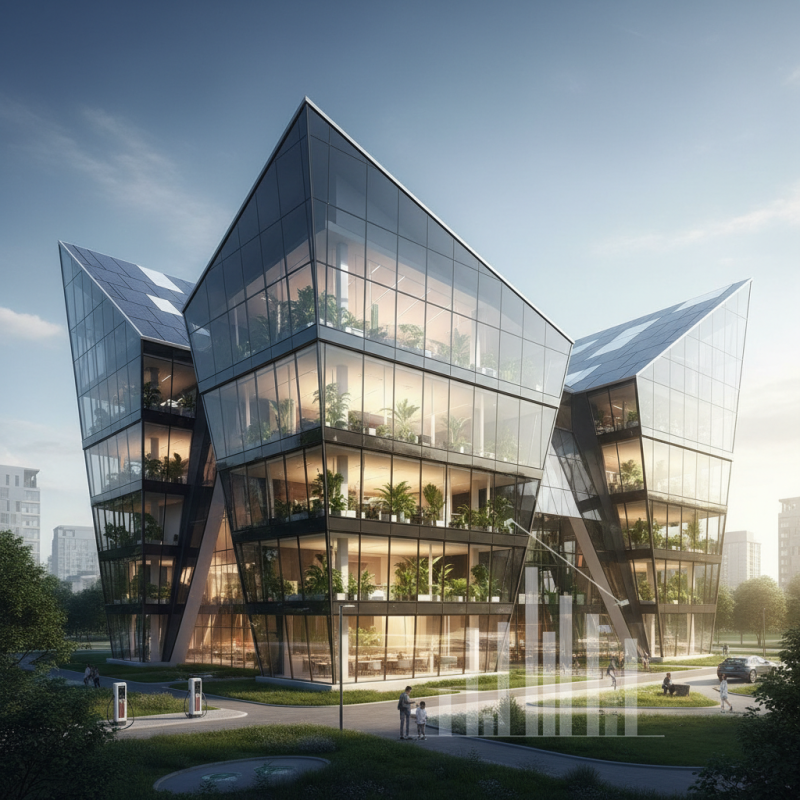
Why Do BIPV Systems Significantly Lower Building Energy Costs?

Understanding BIPV Systems: An Overview of Building-Integrated Photovoltaics

Building-integrated photovoltaics (BIPV) represent a significant evolution in renewable energy. These systems combine energy generation with building functionality. They effectively serve as components of the building itself, such as windows or facades. This dual function helps reduce overall construction costs. According to a report by the National Renewable Energy Laboratory, BIPV systems can save up to 50% on energy expenses compared to traditional buildings.

BIPV integration is expected to grow. The global BIPV market was valued at approximately $3.4 billion in 2020. Projections suggest it could reach $8.4 billion by 2025. This growth reflects increasing energy demands and the need for sustainable solutions. Many buildings adopt BIPV to meet energy efficiency standards and reduce carbon footprints.

However, there are challenges in BIPV adoption. Initial installation costs can be high. Building designs must consider structural and aesthetic aspects of integration. Some designers struggle to balance these competing interests. Ongoing research focuses on improving efficiency and lowering costs. Enhanced materials could lead to better performance. The conversation around BIPV continues to evolve, highlighting both its promise and areas for improvement.

How BIPV Systems Generate Renewable Energy for Buildings

Building-integrated photovoltaics (BIPV) systems have emerged as a revolutionary approach to energy generation. They seamlessly integrate with the building architecture, serving dual purposes: structural and energy-producing. These systems convert sunlight into electricity, making buildings more self-sufficient in energy consumption.

BIPV systems harness renewable energy directly on-site, thereby reducing dependence on traditional power sources. They support sustainability goals by lowering carbon footprints. With various designs, BIPV can fit roofs, facades, and windows. This adaptability can enhance aesthetic appeal while contributing to energy cost reduction. By installing these systems, buildings can offset a significant portion of their energy consumption.

While BIPV systems present numerous benefits, challenges exist. Initial installation costs can be high, and installations require expert knowledge. Not all buildings are suitable for BIPV, particularly those with limited sunlight exposure. Evaluating the long-term benefits versus upfront costs is essential. Continuous advancements in technology will likely improve efficiency and affordability, but ongoing research is crucial for optimizing BIPV applications.

The Role of BIPV in Reducing Energy Consumption and Costs

Building-Integrated Photovoltaics (BIPV) play a crucial role in reducing energy consumption. These systems replace conventional building materials with solar energy-generating products. By harnessing solar power, BIPV helps lower electricity costs significantly. Buildings become self-sufficient and less reliant on the grid.

One important aspect is energy savings. BIPV systems can reduce energy costs by up to 30%. This reduction can lead to considerable long-term savings for homeowners and businesses alike. It's not just about generating energy; it's about consuming less. BIPV can also enhance insulation, reducing heating and cooling needs.

**Tips:** When considering BIPV, assess your location's solar potential. Choose designs that match your building’s architecture. Always consult professionals to ensure optimal installation. Remember, while BIPV offers many benefits, it may not work for every building type. Evaluating its feasibility is essential.

Impact of BIPV Systems on Building Energy Costs

This chart illustrates the annual energy cost savings resulting from the implementation of Building-Integrated Photovoltaics (BIPV) systems over five years. As shown, there is a progressive increase in savings, highlighting the effectiveness of BIPV in reducing energy costs for buildings.

Economic Benefits of Implementing BIPV Systems in Construction Projects

Building-integrated photovoltaics (BIPV) offer substantial economic benefits for construction projects. By integrating solar cells into building materials, BIPV systems can seamlessly generate energy. This feature reduces overall energy costs for homeowners and businesses. They generate power directly on-site, minimizing reliance on external energy sources. In many cases, this results in lower electricity bills.

The initial investment in BIPV may seem high. However, over time, savings from energy costs can be significant. Additionally, some regions provide tax incentives or rebates for BIPV installations. These financial benefits can offset the upfront costs. Energy independence becomes a reality for many projects, which is appealing during rising energy prices.

Furthermore, BIPV systems enhance property value. Buildings that produce their own energy are more attractive to buyers. There are environmental benefits as well. They reduce reliance on fossil fuels and decrease carbon footprints. However, not every project will benefit in the same way. Each building’s location and design impact BIPV effectiveness. Careful assessment is crucial to maximizing these economic advantages.

Case Studies: Successful BIPV Installations and Their Cost-Efficiency

BIPV (Building-Integrated Photovoltaics) systems are transforming the energy landscape for buildings. Several case studies reveal their efficiency and cost-effectiveness. One notable installation in an urban environment demonstrated a significant reduction in energy bills. It integrated solar panels seamlessly into the architecture. The system produced more energy than the building consumed in a year.

Interestingly, not all BIPV installations yield the same results. Some projects faced shading issues or orientation challenges, impacting performance. It’s essential to conduct a thorough site assessment prior to installation. A detailed analysis can help avoid common pitfalls and ensure optimal energy generation.

Tips for potential BIPV adopters: explore various designs and materials to find a perfect fit. Consider local regulations and incentives to enhance financial viability. Engaging with experienced professionals can streamline the installation process. They can provide insights into the best practices and innovative solutions tailored to your project.

FAQS

: What are BIPV systems?

: BIPV stands for building-integrated photovoltaics. These systems generate energy and serve as building components.

How do BIPV systems generate energy?

They convert sunlight into electricity. This makes buildings more energy self-sufficient.

What are the cost benefits of BIPV?

BIPV can save energy costs by up to 30%. Homes and businesses may see significant long-term savings.

What challenges come with BIPV adoption?

Initial installation costs can be high. Some buildings may not be suitable due to sunlight limitations.

How does BIPV enhance building aesthetics?

BIPV can fit seamlessly into roofs, facades, and windows, improving visual appeal while generating energy.

What factors should I consider before installing BIPV?

Assess your location’s solar potential. Consult professionals to determine design compatibility and feasibility.

Can BIPV improve insulation?

Yes, BIPV can enhance insulation, which reduces heating and cooling needs, leading to additional savings.

Is ongoing research important for BIPV?

Yes, continuous advancements can help improve efficiency and affordability, addressing some existing challenges.

Are BIPV systems suitable for all buildings?

No, not all buildings are ideal for BIPV, especially those with limited sunlight exposure.

What future trends are expected for BIPV?

The BIPV market is expected to grow significantly, reflecting an increasing demand for sustainable solutions.

Conclusion

Building-Integrated Photovoltaic (BIPV) systems offer an innovative approach to energy efficiency in modern architecture. By seamlessly integrating solar technology into building designs, BIPV systems generate renewable energy on-site, effectively lowering the reliance on traditional energy sources. This integration not only produces clean energy but also contributes to reducing overall energy consumption and costs in buildings.

How do BIPV systems reduce building energy costs? They do so by harnessing solar energy to power various building operations, leading to lower utility bills and a potential return on investment through cost savings. Economic advantages are further evidenced by case studies showcasing successful BIPV installations, highlighting how these systems enhance cost-efficiency in construction projects while promoting sustainability. Overall, BIPV systems represent a cost-effective solution for energy savings and environmental responsibility in the built environment.

Isabella

Isabella

Isabella is a dedicated marketing professional with a sharp focus on driving brand growth and engagement through strategic content creation. With an extensive background in digital marketing, she combines her passion for storytelling with her keen understanding of industry trends to deliver......