How Do Bifacial Solar Modules Boost Energy Yield Efficiently?

Time:2026-06-19 Author:Sienna
0%

In recent years, the solar energy sector has witnessed significant advancements, with bifacial solar modules emerging as a key innovation. These modules have the capability to capture sunlight from both sides, boosting energy yield efficiently. A report from the National Renewable Energy Laboratory indicates that bifacial modules can increase energy production by 10% to 20% compared to traditional monofacial panels.

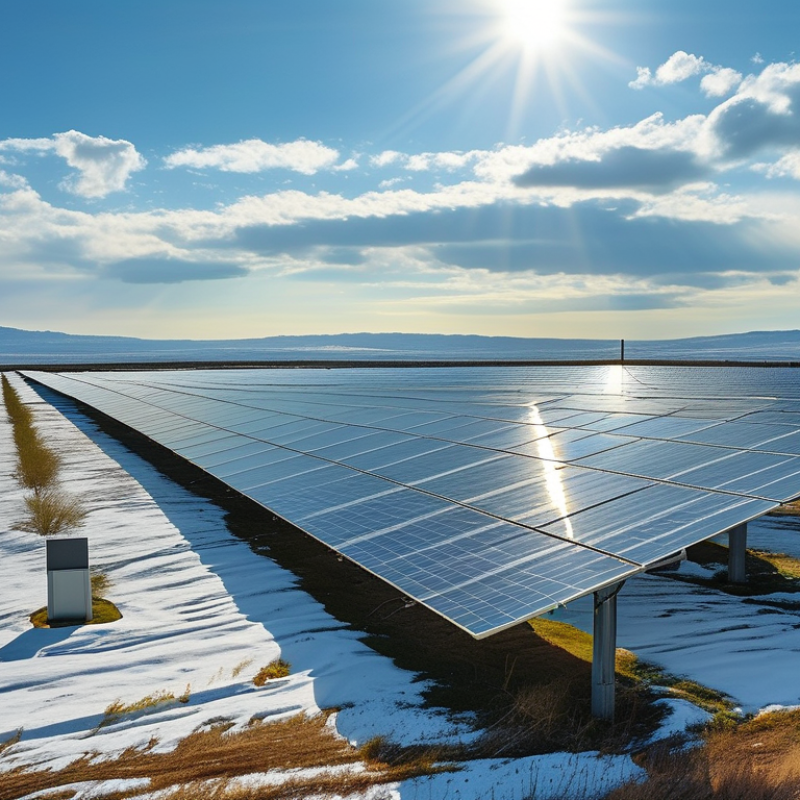
Industry expert Dr. Emily Harper states, "How do bifacial solar modules increase energy yield? They utilize ground reflection effectively." This insight highlights the importance of site selection and installation angles in maximizing performance. Real-world applications reveal that locations with high albedo, like snow-covered or light-colored surfaces, can enhance the benefits of bifacial technology.

While these advancements are promising, challenges remain. Variability in weather conditions and installation costs can affect overall efficiency. Continuous research is needed to optimize designs and adapt to various environments. Bifacial solar modules represent a significant step forward, but understanding their nuances is crucial for future growth in solar energy.
How Do Bifacial Solar Modules Boost Energy Yield Efficiently?

Understanding Bifacial Solar Modules: Definition and Mechanics

Bifacial solar modules represent an innovative leap in solar technology, effectively harnessing sunlight from both sides. This dual-sided collection allows them to capture reflected sunlight from the ground, increasing overall energy yield. Reports suggest that bifacial modules can generate up to 30% more energy compared to traditional monofacial modules, depending on their installation conditions.

These modules are typically installed at an angle. This positioning enables them to optimize exposure to sunlight throughout the day. Additionally, the surface beneath the panels plays a crucial role in their performance. Reflective surfaces, such as white concrete or sand, can significantly enhance energy output. However, sites with uneven terrain may require careful planning. If not managed well, energy gains could diminish.

Tip: When installing bifacial solar modules, consider the ground material. A highly reflective surface can amplify energy yield.

Experts recommend regular maintenance checks for bifacial systems. Dust accumulation can reduce efficiency, particularly on the rear surface. While these modules hold great potential, they also require thoughtful implementation to truly maximize their benefits. Continuous assessment of environmental factors can lead to improved outcomes.

Tip: Monitor local weather patterns. Seasonal changes can affect energy capture and module performance.

The Role of Light Reflection in Enhancing Energy Yield

Bifacial solar modules leverage light reflection to enhance energy yield effectively. These innovative systems capture sunlight from both sides. Studies show that they can increase energy generation by 10% to 30% compared to traditional panels. This improvement largely stems from reflected light, especially in environments with high albedo, such as snow or white surfaces.


One report by the National Renewable Energy Laboratory highlighted that bifacial modules utilize ground reflection to maximize efficiency. In optimal conditions, they can harness up to 50% of their total energy output from the rear side alone. Yet, the efficiency greatly varies based on installation angles and surrounding materials.


Despite the benefits, factors like mounting height and local climate can complicate their deployment. For instance, installations in urban areas might face shading issues, diminishing output. Understanding the interplay of these variables is crucial for maximizing the potential of bifacial technology. While excitement surrounds these modules, careful planning is essential to fully realize their advantages.

Comparative Analysis: Bifacial vs. Monofacial Solar Modules

Bifacial solar modules are changing the solar energy landscape. They capture sunlight from both sides, increasing efficiency considerably. According to industry studies, bifacial panels can yield 10% to 30% more energy compared to traditional monofacial panels.

The key to their success lies in how they utilize reflected sunlight. Ground albedo, or the reflectivity of surfaces around the panels, plays a significant role. For instance, white or light-colored surfaces enhance this effect. This can lead to remarkable energy gains. Some installations in snowy regions report even higher gains due to the reflection nature of snow.

However, not all environments favor bifacial technology. In areas with minimal ground reflection, the benefits diminish. While many advocate for bifacial systems, proper site evaluation is crucial. Data shows that diverse soil and vegetation types impact overall performance. A careful analysis is essential to optimize energy yield efficiently.

Factors Influencing the Performance of Bifacial Solar Panels

Bifacial solar panels have gained attention for their ability to increase energy yield. They capture sunlight from both sides, which significantly enhances overall efficiency. However, various factors influence their performance.

One key factor is the installation environment. A reflective surface, such as light-colored concrete or white gravel, can boost energy capture. The angle and orientation of the panels also play a crucial role. If positioned incorrectly, the potential gains from the rear side may not be realized. Positioning them to reduce shading is essential. Proper spacing between rows is important too; not enough spacing can lead to shading and reduced efficiency.

Another aspect worth considering is weather conditions. Dust accumulation and snowfall can impact the panels’ performance. Unlike traditional panels, bifacial models may need extra cleaning efforts to maintain optimal energy yield. This additional maintenance can be overlooked, resulting in unsatisfactory performance. Thus, users should weigh these considerations against the initial benefits of bifacial technology. Understanding these factors enables better decision-making in solar energy investments.

Performance Comparison of Bifacial Solar Panels

This graph illustrates the average energy yield of different installation types of bifacial solar panels. The data shows that ground-mounted bifacial panels yield the highest energy output, followed by tilted and rooftop systems, demonstrating the efficiency benefits of bifacial technology.

Applications and Future Trends of Bifacial Solar Technology

Bifacial solar technology is increasingly popular for various applications in renewable energy. This innovative solution captures sunlight from both sides of the panel, increasing energy yield significantly. It excels in environments with reflective surfaces, like snowy or sandy areas. As a result, more energy is harvested compared to traditional solar modules.

In agriculture, bifacial solar panels can integrate with farming practices. They provide shade for crops while generating power. This dual-purpose approach could enhance farming productivity. However, maintenance can be challenging. Regular cleaning is essential to avoid dust accumulation, which can reduce efficiency.

Tip: Consider the installation angle. The right tilt can maximize sunlight exposure for bifacial panels.

Future trends indicate continued advancements in this technology. As efficiency improves, bifacial panels will find application in urban settings. Rooftops and building-integrated solutions are gaining traction. This shift presents a promising direction for sustainable energy.

However, the initial cost can be a barrier. Evaluating budget and return on investment is crucial. Always remember that the local climate influences performance. Proper research is necessary to ensure optimal setup in your area.

Tip: Analyze local weather patterns to better understand the best applications for bifacial modules.

FAQS

: What are bifacial solar modules?

: Bifacial solar modules capture sunlight from both sides. This ability increases their overall energy yield.

How much more energy can bifacial modules produce?

Bifacial modules can generate up to 30% more energy than traditional panels, depending on conditions.

What installation conditions improve bifacial module performance?

Reflective surfaces like white concrete enhance energy output. Proper installation angle is crucial as well.

Why is maintenance important for bifacial solar panels?

Regular maintenance prevents dust buildup. Dust reduces effectiveness, especially on the rear surface of the panels.

What environmental factors influence bifacial energy capture?

Local weather conditions affect performance. Seasonal changes can lead to variations in energy yield.

How does terrain impact bifacial solar module efficiency?

Uneven terrain requires careful planning. Poor management can lead to diminished energy gains from these modules.

What spacing is needed between bifacial panels?

Adequate spacing prevents shading. Improper spacing can reduce the efficiency of energy capture from both sides.

What additional care do bifacial modules need during winter?

Snow buildup may need removal. Extra cleaning might be necessary to sustain energy yield in snowy conditions.

How does the surrounding environment affect bifacial module implementation?

The ground material and layout are vital. Reflective ground materials can significantly enhance performance.

Conclusion

Bifacial solar modules represent an innovative advancement in solar technology, utilizing both the front and rear surfaces to capture sunlight. These modules enhance energy yield primarily through the mechanism of light reflection; they leverage albedo effects from surfaces like soil or snow, significantly increasing the amount of light they receive. When examining how do bifacial solar modules increase energy yield, it's clear that their unique ability to gather reflected light distinguishes them from traditional monofacial panels, leading to higher overall efficiency.

Several factors influence the performance of bifacial solar panels, including installation height, orientation, and the surrounding environment. As this technology continues to evolve, its applications are expanding in various sectors, promising a more sustainable energy future. The ongoing research and advancements in bifacial solar technology suggest a trend toward wider adoption, making it a crucial element in the pursuit of higher energy outputs and improved performance in solar energy systems.

Sienna

Sienna

Sienna is a skilled marketing professional with a deep expertise in our company’s core products and services. With a passion for innovation and detail, she plays a pivotal role in crafting insightful blog posts that not only highlight the unique features of our offerings but also provide valuable......