Cleaning and maintaining building-integrated photovoltaics (BIPV) is essential for optimal energy production. Expert David Green, a leading figure in solar technology, emphasizes, "Routine cleaning can significantly enhance the efficiency of solar systems." This statement underlines the need for effective maintenance strategies.
Dust, dirt, and environmental factors can impair the efficiency of BIPV systems over time. Proper cleaning techniques are vital. Regular inspections help identify issues early. Cleaning these installations requires care to avoid damage. New systems may require more frequent attention than older models.
Many building owners overlook maintenance. This neglect can lead to reduced energy output. Understanding how to clean and maintain building-integrated photovoltaics is crucial for maximizing their lifespan and effectiveness. Addressing these tasks responsibly ensures that BIPV systems perform at their best, reflecting their value as a sustainable energy solution.
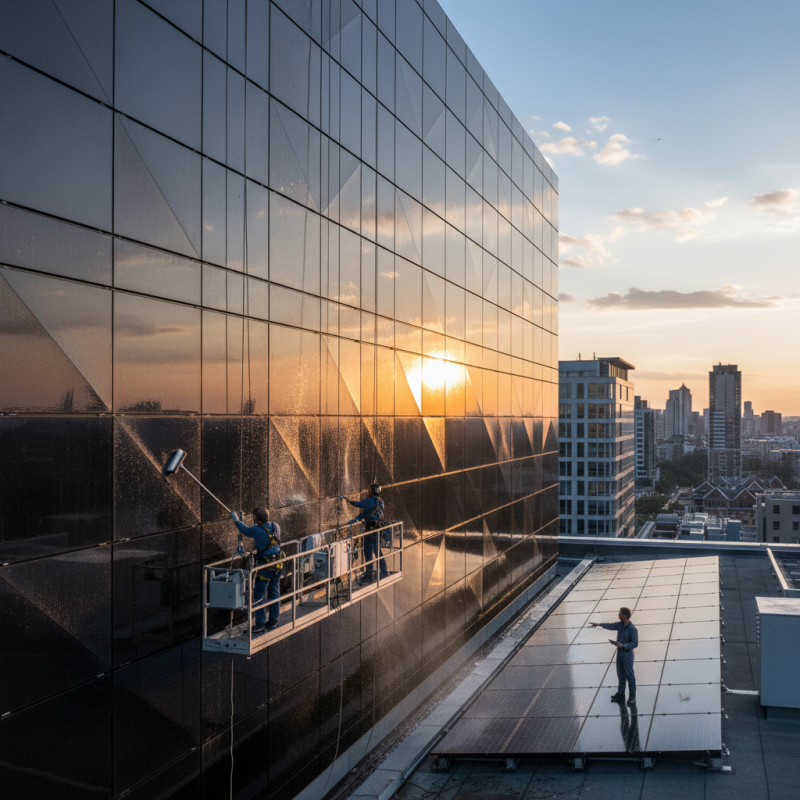
Building Integrated Photovoltaics (BIPV) systems require regular cleaning to maintain their efficiency. Dust and debris can significantly reduce energy output. Regular inspections ensure any accumulated dirt is addressed quickly. Cleaning schedules should be adjusted based on environmental conditions. For instance, locations prone to dust storms need more frequent cleaning.
Proper techniques are crucial. Soft brushes and non-abrasive cleaners can prevent scratches on the surface. Water quality matters too; impurities in water can harm panels. While using a hose seems practical, it’s vital to approach with care. Avoid strong streams that may cause damage. Safety gear is essential, especially when accessing high installations.
Monitoring system performance is equally important. Installing monitoring tools can help in detecting drops in efficiency early. Regular performance checks can help identify potential issues. It's easy to overlook smaller problems that could grow into costly repairs. Some buildings may benefit from a dedicated maintenance team. Having knowledgeable professionals ensures that systems run smoothly and efficiently.
Dust and debris can significantly impact the efficiency of building integrated photovoltaics (BIPV). Studies have shown that even a thin layer of dust can reduce energy output by 20% or more. This loss can lead to decreased financial returns. Regular cleaning is not just a maintenance task, but a crucial step in optimizing solar panel performance.
Rain may wash away some debris, but not all contaminants are easily removed. In urban areas, particles from construction and pollution contribute to buildup. A recent report indicated that solar panels in highly polluted cities can lose up to 25% efficiency due to grime accumulation over time. Understanding the local environment is essential. It enables building managers to implement effective cleaning schedules that account for environmental factors.
Neglecting maintenance can lead to long-term issues. Operators might overlook the indirect costs of inefficiency, such as decreased energy generation and higher operating expenses. Monitoring energy output regularly can help identify potential performance declines. This proactive approach ensures that BIPVs are always working at peak capability.
Cleaning building integrated photovoltaics (BIPV) requires a careful approach. These surfaces are often made of glass or other materials that can be sensitive to harsh cleaning agents. Using mild soap and water is generally effective. A soft cloth or sponge can help prevent scratches. Avoid abrasive materials that might damage the surface.
Regular maintenance is key to ensuring optimal performance. Inspect the panels for dirt, leaves, or debris that can obstruct sunlight. If you notice any build-up, a simple rinse with water can usually clear it. For tougher stains, a specific solution may be needed. Testing any cleaner on a small area first is wise.
Consider the environmental conditions. Dust and pollen accumulation can vary by location and season. In dusty areas, more frequent cleaning may be necessary. Always ensure safety measures are in place when accessing roof setups. Balance the need for cleanliness with the risk of maintenance work. The goal is to maintain the efficiency of BIPV systems without causing damage.
Building Integrated Photovoltaics (BIPV) systems are innovative but complex. Maintaining their structural integrity is crucial. Regular inspections can catch issues early. According to the National Renewable Energy Laboratory, routine checks can improve system longevity by 30%. Lack of maintenance can lead to unnecessary damage and costly repairs.
Preventive measures are vital. Clean the surfaces regularly to avoid debris accumulation. A clean solar panel operates at optimal efficiency—up to 25% more effective when free from dirt. Industry reports suggest that neglecting cleaning reduces energy output significantly over time. Neglected seals can cause water ingress, leading to structural failures.
Inspecting for cracks or wear is equally important. It’s not uncommon to overlook minor damages during routine maintenance. A proactive approach can mitigate risks. Identifying problems early can prevent dangerous situations. Ensure safety protocols are in place during inspections. Skipping these steps can lead to significant issues, both financially and structurally. Regular maintenance pays off, but it requires diligence and attention to detail.
| Tip Number | Maintenance Tip | Frequency | Expected Outcome |
|---|---|---|---|
| 1 | Conduct Regular Visual Inspections | Monthly | Identify potential issues early |
| 2 | Clean Solar Panels | Quarterly | Maximize energy efficiency |
| 3 | Check for Shade Obstacles | Annually | Ensure optimal sunlight exposure |
| 4 | Inspect Electrical Connections | Semi-annually | Prevent electrical faults |
| 5 | Review System Performance | Every 6 months | Maintain energy output standards |
| 6 | Clear Debris from Surrounding Area | Monthly | Prevent shading and damage |
| 7 | Monitor Weather Conditions | Ongoing | Anticipate maintenance needs |
| 8 | Check Inverter Functionality | Quarterly | Ensure proper energy conversion |
| 9 | Validate Warranty Terms | Annually | Avoid coverage issues |
| 10 | Hire a Professional for Annual Checks | Annually | Comprehensive system evaluation |
The integration of innovative technologies for smart monitoring and maintenance of Building Integrated Photovoltaics (BIPVs) is crucial. With a growing focus on renewable energy, effective upkeep of BIPVs can maximize efficiency. Research indicates that regular maintenance can improve energy production by nearly 30%. This highlights the need for reliable monitoring systems.
Leveraging sensors and IoT can facilitate real-time data collection. They provide insights into performance metrics. For example, identifying shadowing or dirt build-up can signal when cleaning is required. A recent report from the International Renewable Energy Agency notes that automated maintenance can significantly reduce operational costs, providing savings of up to 15% annually.
Despite advancements, challenges remain. Many BIPV systems lack integrated monitoring solutions, leading to underperformance. Installation locations may complicate access for maintenance, raising safety concerns. Continuous improvements in technology are essential. By prioritizing smart maintenance approaches, stakeholders can enhance the longevity and functionality of BIPVs, ensuring a sustainable future for urban energy demands.
: Regular cleaning helps maintain efficiency. Dust and debris can significantly reduce energy output.
Use soft brushes and non-abrasive cleaners. Mild soap and water are generally effective as well.
Adjust the schedule based on environmental conditions. Dusty areas require more frequent cleaning.
Use safety gear when accessing high installations. Avoid strong water streams that may cause damage.
Monitoring helps detect efficiency drops early. Regular checks can prevent costly repairs from overlooked issues.
Technologies like sensors and IoT collect real-time data on performance. They help identify when cleaning is needed.
Many systems lack integrated solutions, leading to potential underperformance. Accessibility issues can also complicate maintenance.
Yes, it can reduce operational costs by up to 15% annually. Regular maintenance improves energy production.
Yes, testing a cleaner on a small area first is wise to avoid damaging the surface.
Dust and pollen accumulation can vary by season and location. This may necessitate adjusting cleaning frequency accordingly.
This article provides essential guidance on how to clean and maintain building-integrated photovoltaics (BIPV) to ensure their optimal performance. It outlines best practices that include regular inspections and preventive measures to maintain structural integrity, as well as understanding the detrimental impact of dust and debris on solar panel efficiency.
Additionally, the article recommends effective cleaning techniques for various BIPV surfaces and materials, emphasizing innovative technologies that facilitate smart monitoring and maintenance. By following these tips, building owners and maintenance teams can enhance the longevity and efficiency of BIPV systems while capitalizing on their energy-generating capabilities.

Sypower Solar