The demand for renewable energy solutions is soaring. More homeowners seek to harness solar power efficiently. Flexible solar panels are a game changer, particularly for those with curved roofs. This innovative technology offers a solution where traditional panels struggle.
In the U.S., solar installations reached a record high, with over 20 gigawatts added in 2022 alone. However, the challenge remains: How to install flexible solar panels on a curved roof? It requires a specialized approach and understanding. Many installers lack training in this area. Proper installation is crucial for optimal performance and durability.
Research shows that well-installed solar panels can increase energy efficiency by up to 30%. It's essential to choose the right materials and techniques. Though working on a curved surface can present unique challenges, the right knowledge makes it feasible. Anticipate potential issues, like adhesion and panel compatibility. Developing expertise in this niche can set professionals apart in a competitive market.
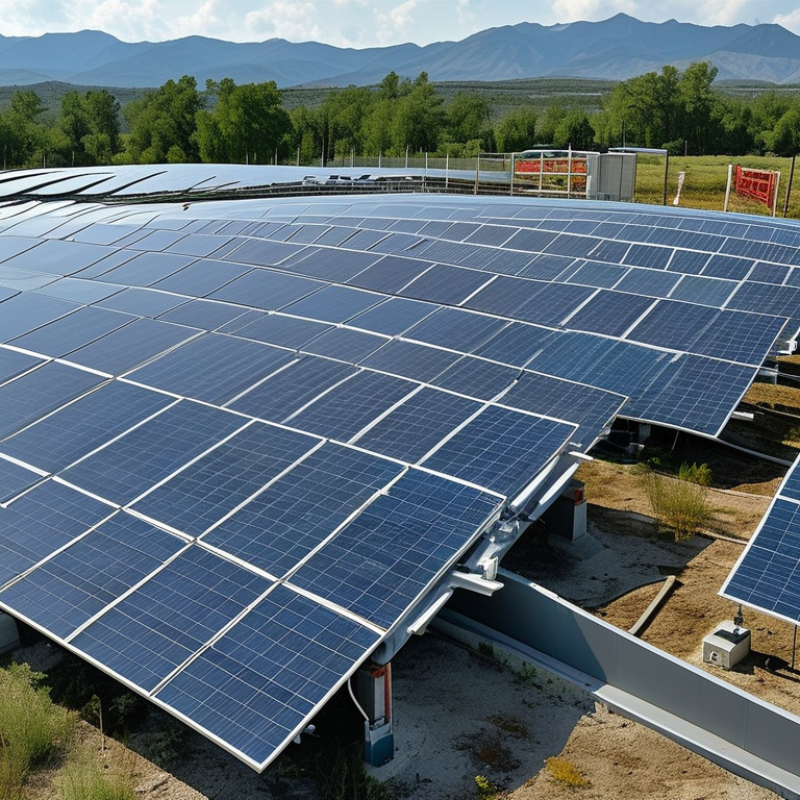
Overview of Flexible Solar Panels and Their Benefits
Flexible solar panels have gained popularity for their adaptability, especially on curved roofs. Recent industry reports suggest that these panels can yield an impressive 20% more energy compared to traditional rigid panels when installed on unconventional surfaces. This benefit is crucial for maximizing energy production in areas where roof space is limited.
One major advantage of flexible solar panels is their lightweight design. Weighing less than traditional panels, they alleviate structural concerns for roofs that may not support heavy loads. Additionally, they can be applied to various materials, including metal, fiberglass, and even some shingle roofs. A study indicated that homeowners opting for flexible solar solutions can reduce installation costs by up to 30%. This reduction in cost encourages wider adoption yet may prompt skepticism about long-term durability and performance.
However, it's vital to acknowledge some challenges. Flexible solar panels generally have a shorter lifespan, often under 20 years, compared to traditional counterparts, which last 25 years or more. This limitation can influence long-term investment decisions. Furthermore, while their efficiency on curved surfaces is notable, shading can significantly diminish performance, making strategic placement essential. Open discussions about these trade-offs can facilitate informed choices for potential buyers considering solar energy for their homes.
Understanding Curved Roofs: Types and Design Considerations
Curved roofs present unique challenges and opportunities when considering solar panel installation. Common types of curved roofs include barrel roofs, domes, and arched designs. Each style requires different approaches for aligning flexible solar panels effectively. Reports estimate that about 20% of residential buildings utilize some form of curved roofing. This highlights the need for tailored solutions in solar energy applications.
Design considerations are crucial. The roof's curvature and angle directly impact sunlight exposure. A study found that maximizing surface area can increase energy capture by 15% on curved surfaces compared to flat installations. Effective installation demands a thorough structural assessment. Additionally, proper waterproofing techniques must be integrated. The complexity of installing solar panels on curves makes professional guidance essential.
Furthermore, not all flexible solar panels are suitable for every roof type. Material durability and flexibility should be analyzed based on climate and exposure. Long-term reliability is a concern; improper installation can lead to leaks and damage. Homeowners need to engage with experts to navigate these intricacies and ensure optimal energy efficiency from their investment.
2026 Best Guide to Install Flexible Solar Panels on Curved Roofs
| Roof Type |
Panel Compatibility |
Installation Difficulty |
Cost Estimate (per panel) |
Manufacturer Recommendations |
| Domed Roof |
High flexibility panels |
Moderate |
$200 - $300 |
Best for high curvature |
| Arched Roof |
Standard flexible panels |
Easy |
$150 - $250 |
Versatile for various angles |
| Curvilinear Roof |
Lightweight panels |
High |
$300 - $400 |
Recommended for high-load areas |
| Spherical Roof |
Custom-designed panels |
Very high |
$500+ |
Specific to custom structures |
Steps to Assess Roof Compatibility for Solar Panel Installation
When considering the installation of flexible solar panels on curved roofs, assessing roof compatibility is crucial. Curved roofs can complicate the installation process, making it essential to evaluate the material, angle, and structure of your roof.
According to the Solar Energy Industries Association (SEIA), over 40% of solar panel installations are on non-traditional roofs, including those with curves. Proper assessment ensures that the solar panels are securely attached and function effectively.
Start by measuring the roof's curvature. Different curves can affect the panel's surface area and performance. If the curve is too steep, panels may not receive optimal sunlight. Additionally, the roof material, whether metal or shingles, influences attachment methods. A study by the National Renewable Energy Laboratory (NREL) indicates that improper attachment can lead to a 15% decrease in energy efficiency.
Weight distribution is another critical factor. Flexible solar panels are lighter but can still cause stress on the roof structure. Inspect for any underlying damage before proceeding. Not all curves can support the required weight safely. A recent report suggests that a significant percentage of roofs may need reinforcement. This complexity highlights the need for professional evaluation. Relying solely on DIY assessments may overlook critical structural concerns.
Installation Process for Flexible Solar Panels on Curved Roofs
Installing flexible solar panels on curved roofs requires
careful planning and execution. The first step involves assessing the roof's curvature and material.
According to a report by the National Renewable Energy Laboratory,
about 30% of all solar installations could benefit from flexible panels due to their adaptability.
It’s crucial to consider the roof's angle, as this impacts sunlight exposure and energy efficiency.
Once the site is evaluated, the next phase is preparation. A clean, debris-free surface is
vital for optimal adhesion. Many installers recommend using a specialized
adhesive designed for solar applications. Additionally, ensuring the panels have the right curvature radius
is imperative. This may require custom-cutting panels for perfect alignment.
It's essential to remain mindful of potential challenges during installation, such as air bubbles
that can compromise efficiency.
Follow-up assessments are just as important. A study from the Solar Energy
Industries Association shows that regular maintenance can improve performance by 20%.
It's not uncommon to encounter issues post-installation, such as moisture build-up under the panels.
Monitoring and addressing these concerns can significantly enhance system longevity and overall effectiveness.
Maintenance Tips for Ensuring Performance of Installed Panels
Maintaining flexible solar panels on curved roofs is essential for optimal performance. Inspect the panels regularly for any signs of wear or damage. Look for cracks or peeling that could reduce efficiency. Dirt and debris can accumulate, especially on curved surfaces. Regular cleaning helps maintain their effectiveness. Use a soft brush and mild soap. Avoid harsh chemicals, as they can cause harm.
Another important aspect is monitoring performance. Use a solar performance tracker if available. These trackers help identify any drops in efficiency. If you notice a significant decrease, it may signal a problem. Curved roofs can create unique challenges. Ensure that the installation is secure and properly aligned. Misalignment can lead to water pooling or other issues.
Consider seasonal changes and extreme weather. Heavy snow or ice can weigh down the panels. Make sure to clear them after heavy storms. Taking proactive steps can prevent long-term damage. It’s a continuous learning process; understanding each curve and angle helps improve maintenance techniques. Regular checks and adjustments can extend the life of your solar setup.
Conclusion
In the guide titled "2026 Best Guide to Install Flexible Solar Panels on Curved Roofs," readers are introduced to the advantages of using flexible solar panels, particularly for unique roof designs. These panels provide a versatile solution that can adapt to various curves and contours, making them ideal for installations on irregular roof types. Understanding the different types of curved roofs and their design considerations is crucial for effective solar panel integration.
To successfully answer the question of how to install flexible solar panels on a curved roof, the article outlines essential steps for assessing roof compatibility, from structural integrity to material selection. A comprehensive installation process is detailed, ensuring proper alignment and secure mounting of the panels. Additionally, the guide emphasizes the importance of regular maintenance to maximize the performance and longevity of the installed panels, creating a sustainable energy solution for homeowners with curved roofs.

 Sypower Solar